
Lion’s Mane Strain Review: Unlocking the Benefits of Nature’s Brain Booster Cannabis Strain
Cannabis has evolved far beyond its recreational roots, finding its way into numerous therapeutic applications that soothe both mind and body. Nature has gifted us with a plethora of strains, each with its unique characteristics and benefits. One strain that has captured the attention of both consumers and researchers alike is the Lion’s Mane cannabis strain. This comprehensive review delves into the traits, effects, cultivation process, and benefits of Lion’s Mane, providing insight into why this strain is often dubbed as nature’s brain booster.
Overview of Lion’s Mane Strain
Genetics and Lineage
Lion’s Mane is a hybrid cannabis strain that boasts a balanced genetic profile, typically comprising 50% Indica and 50% Sativa. It’s a carefully cultivated cross between the renowned strains Lion’s Heart and an unknown lineage, creating an uplifting yet calming experience. The specific choice of parental strains contributes to the complex terpene profile and cannabinoid makeup that this strain exhibits.
Appearance and Aroma
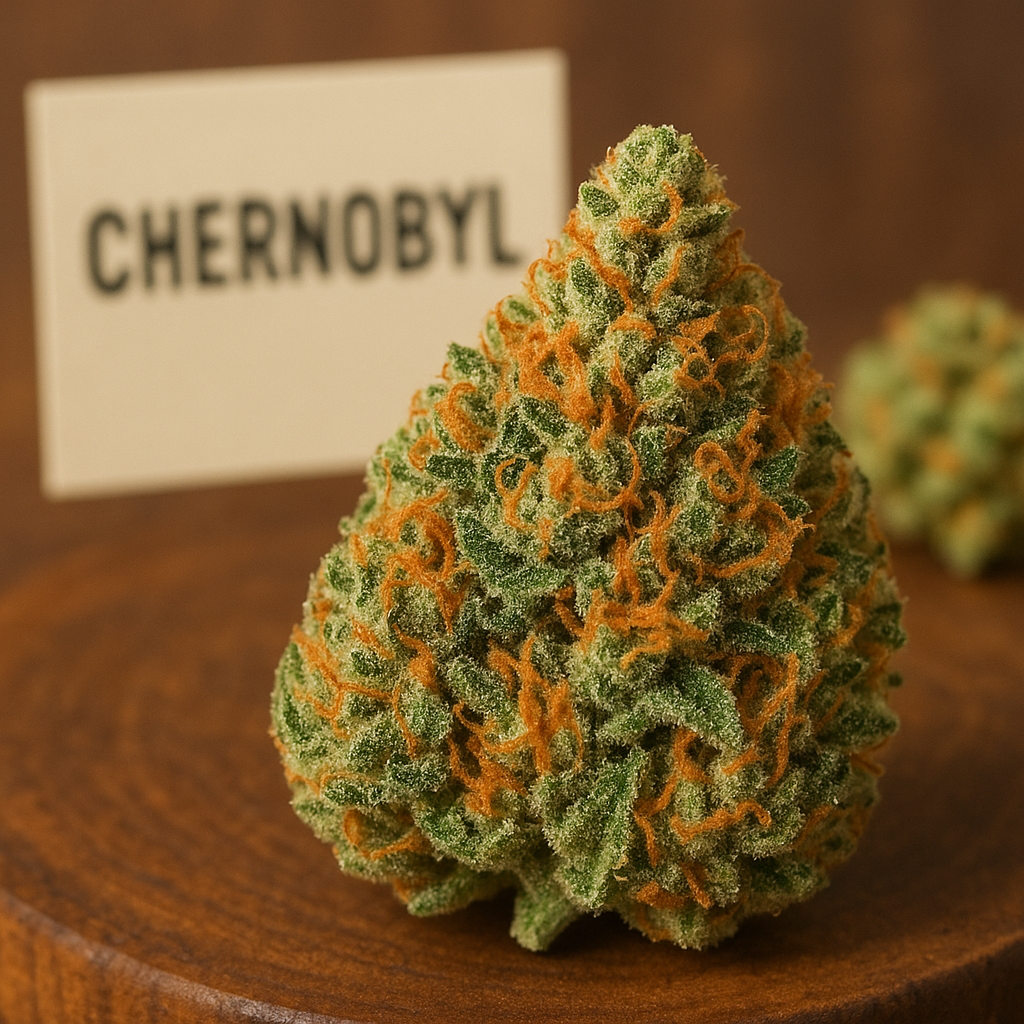
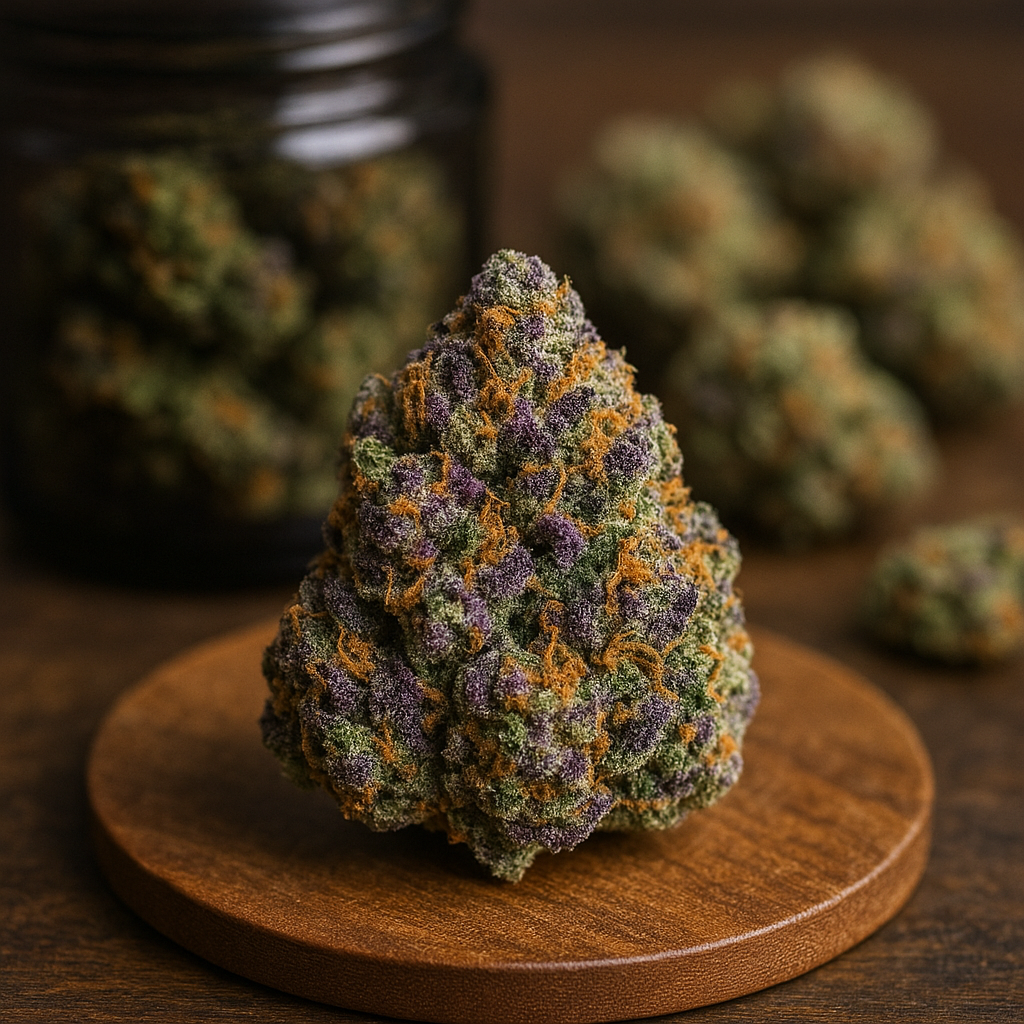
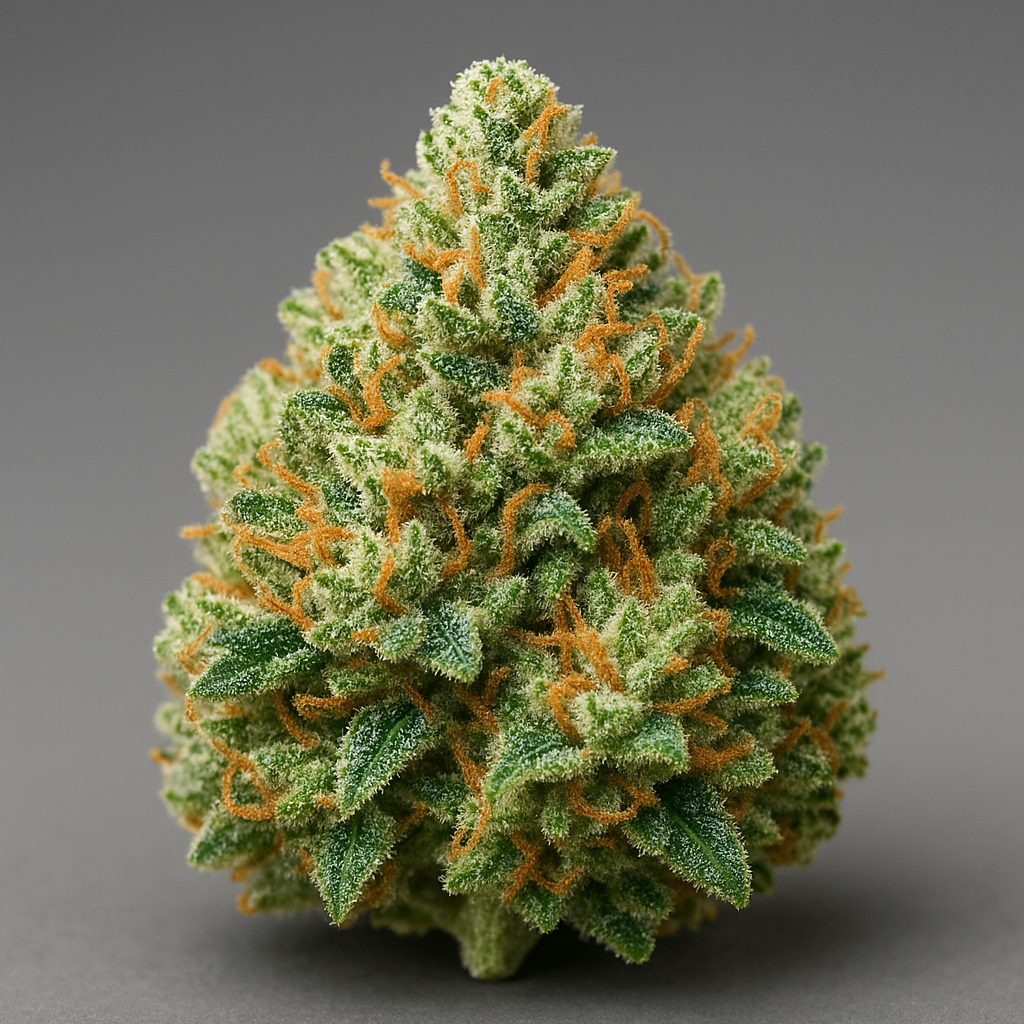
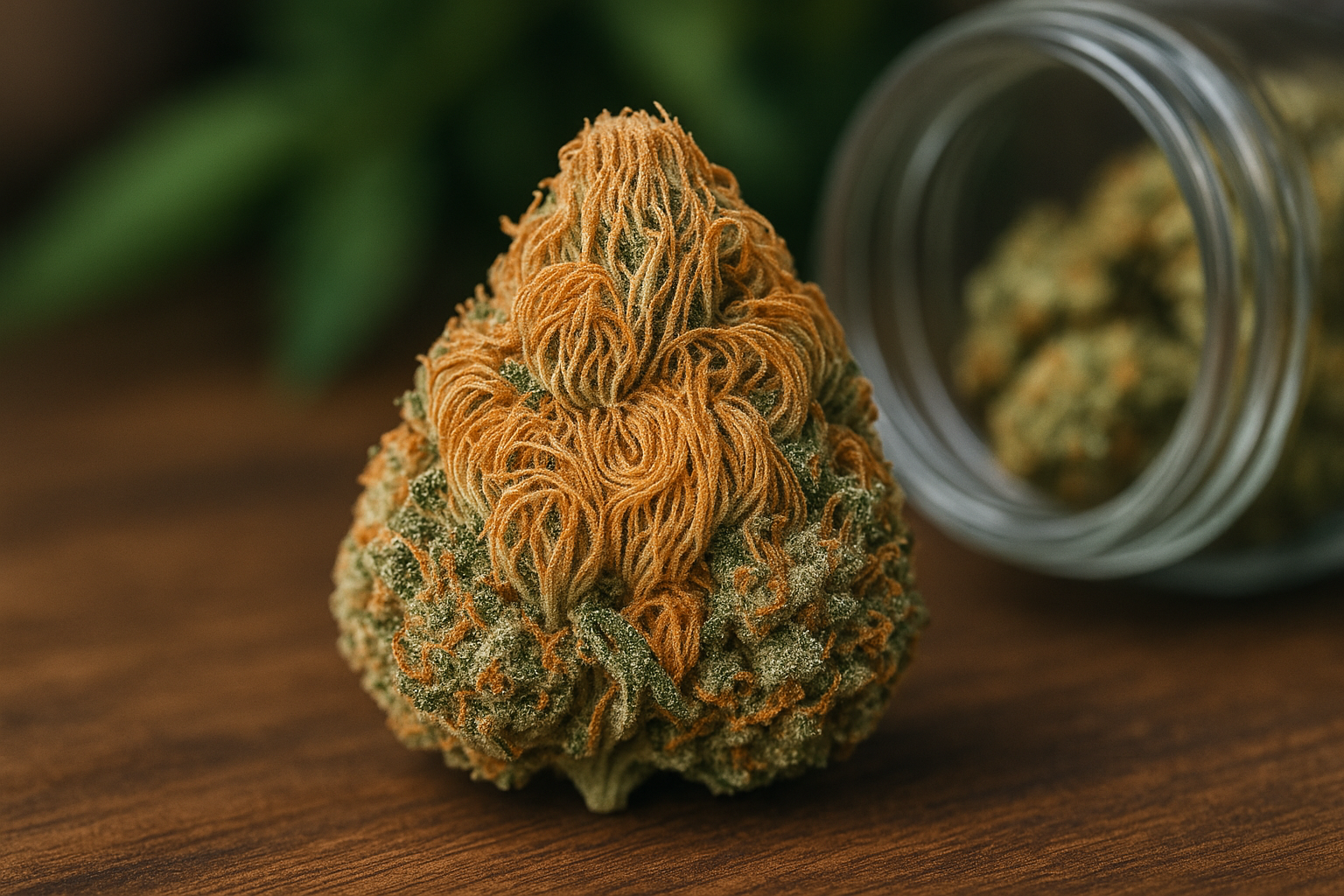
Lion’s Mane stands out visually: the buds are dense and fluffy, with an array of vibrant greens accented by bright orange pistils. These eye-catching features not only appeal to the aesthetic senses but also hint at the strain’s potential potency.
The aroma is equally captivating, offering a uniquely earthy scent reminiscent of fresh pine and citrus. Users often describe the experience as refreshing, reminiscent of a stroll through a forest filled with aromatic flora. When combusted or vaporized, the flavors are smooth, revealing notes of sweet earthiness complemented by citrus undertones.
Cannabinoid and Terpene Profile
Cannabinoid Content
The Lion’s Mane strain typically ranges in THC content from 18% to 24%, with some phenotypes reaching upwards of 25%. The relatively moderate CBD levels (ranging from 0.5% to 1%) make this strain primarily psychoactive but still suitable for those looking to experience a range of therapeutic effects without excessive sedation.
Terpene Composition
One of the standout features of Lion’s Mane is its diverse terpene profile, contributing to both its efficacy and overall user experience. Some of the predominant terpenes include:
- Caryophyllene: Known for its peppery aroma, it is thought to have anti-inflammatory properties.
- Limonene: This citrus-scented terpene is associated with mood enhancement and stress relief.
- Myrcene: Offering an earthy scent, it can enhance the psychoactive effects of THC and promote relaxation.
- Pinene: With a refreshing pine aroma, it might aid in alertness and memory retention.
This complex mixture of terpenes not only influences the strain’s flavor but also contributes to its therapeutic benefits, emphasizing the entourage effect often discussed within the cannabis community.
Effects of Lion’s Mane Strain
Users often seek the Lion’s Mane strain for its balanced and uplifting effects, which can provide mental clarity while offering a soothing body high. Here’s an in-depth look at the experiences users can expect:
Mental Effects
When consuming Lion’s Mane, users frequently report enhanced focus and creativity, making it an excellent strain for tasks requiring cognitive engagement. Many users describe feeling a wave of euphoric energy that stimulates thought processes and can enhance productivity. With its potential to enhance mood, Lion’s Mane has appealed to individuals combating anxiety and depression.
Physical Effects
On the physical side, users may experience a soft body high that doesn’t immobilize but rather promotes relaxation without the couch-lock effect typically associated with high-THC Indica strains. This makes it suitable for daytime use, especially for those seeking relief from chronic pain or discomfort while still remaining functional.
Anxiety and Stress Relief
The balanced effects of Lion’s Mane create a soothing environment for individuals suffering from anxiety or stress. With its ability to calm racing thoughts while promoting positivity, it serves as a natural alternative to anxiety medications for many users.
Creativity and Motivation
Artists, writers, and individuals in creative professions often turn to Lion’s Mane to enhance their creative flow. The strain’s stimulating properties can unlock new ideas and provide a sense of motivation, making mundane tasks feel more enjoyable.
Medical Benefits
While the recreational aspects of Lion’s Mane are noteworthy, its therapeutic capabilities are equally compelling. Research and anecdotal reports highlight several medical benefits associated with this strain:
Neuroprotective Properties
One of the standout features of Lion’s Mane is its potential neuroprotective properties. Some studies suggest that compounds found in Lion’s Mane may stimulate the production of nerve growth factor (NGF), promoting brain health and functionality. This neurogenerative effect could contribute to long-term cognitive enhancement and reduced risk of neurodegenerative diseases like Alzheimer’s.
Chronic Pain Management
For individuals seeking relief from chronic pain, Lion’s Mane may offer an effective solution. Many users report using it to alleviate discomfort from conditions such as arthritis or fibromyalgia. Its anti-inflammatory properties may contribute to reduced pain sensations, making it a potential alternative to more traditional pain management therapies.
Sleep Aid
Although not typically classified as a sedative strain, Lion’s Mane may still offer benefits in promoting restful sleep. By alleviating anxiety and encouraging relaxation, users may find it easier to fall asleep and enjoy a deeper sleep cycle.
Appetite Stimulation
Some users report increased appetite after consuming Lion’s Mane, making it a potential ally for those battling appetite loss due to medical conditions or treatments like chemotherapy.
Cultivation Process
Growing Difficulty
Lion’s Mane is considered an average strain when it comes to cultivation complexity. Although not the simplest strain to grow, it is also not the most challenging. With some knowledge and careful attention, both novice and experienced growers can successfully cultivate Lion’s Mane.
Ideal Growing Conditions
- Indoor vs. Outdoor: Lion’s Mane can be grown both indoors and outdoors. However, it flourishes in a controlled indoor environment where light, humidity, and temperature can be regulated.
- Temperature: Ideally, the ambient temperature should remain around 70°F to 85°F (21°C to 29°C) during the day and slightly cooler at night.
- Humidity: Higher humidity levels (around 60% to 70%) are preferable during the seedling and vegetative stages, tapering off as the plant matures.
- Lighting: A combination of LED and HPS (high-pressure sodium) lights often delivers the best results, with a standard light cycle of 18 hours on and 6 hours off.
Flowering Time
The flowering time for Lion’s Mane typically falls between 8 to 10 weeks, depending on the specific phenotype and growing conditions. Growers should use various techniques, such as topping and low-stress training (LST), to encourage bushy growth and optimize yield.
Yield
Under optimal conditions, growers can expect a yield of approximately 400 to 600 grams per square meter when grown indoors, while outdoor plants may yield even more, reaching between 700 to 900 grams per plant.
Potential Side Effects
While Lion’s Mane is generally well-tolerated, some users may experience adverse effects, particularly if overconsumed. Common side effects include:
- Dry Mouth and Eyes: A typical side effect of cannabis consumption, often managed with adequate hydration.
- Dizziness or Lightheadedness: Especially in new users or those sensitive to THC.
- Increased Anxiety: Although many users find relief from anxiety, those predisposed to panic attacks or high anxiety might experience exacerbation with high-THC strains.
Review Roundup
Overall, the Lion’s Mane cannabis strain emerges as a multifaceted hybrid offering both recreational euphoria and impressive therapeutic benefits. Here’s a summary of its key attributes:
| Category | Details |
|---|---|
| Type | Hybrid, 50% Indica / 50% Sativa |
| Average THC Content | 18% – 24% (up to 25% in some phenotypes) |
| Primary Effects | Uplifting, calming, stimulating creativity and focus |
| Medical Benefits | Neuroprotective properties, chronic pain relief, anxiety reduction, sleep aid |
| Flavor Profile | Earthy, sweet, citrus, with notes of pine |
| Cultivation Difficulty | Average difficulty; suitable for novice and experienced growers |
| Flowering Time | 8 – 10 weeks |
| Typical Yield | 400 – 900 grams per square meter or per plant (outdoor) |
Conclusion
Lion’s Mane is a striking and intricate strain that embodies the best of both recreational and medical cannabis. Its unique aroma, taste, and well-rounded effects make it an appealing choice for a diverse audience. Whether you’re looking for an energy boost, relief from chronic pain, or a potential cognitive enhancer, Lion’s Mane offers a natural alternative worth exploring. As research continues to uncover the full range of benefits associated with this strain, it stands poised to become even more prominent in the cannabis landscape—serving as a true testament to nature’s power as a brain booster.