At a glance
| Entry | Blue Slush |
|---|---|
| Type | Hybrid |
| Reported effect categories | Tingly |
| Commonly described aroma/flavor | blueberry, fruity, sweet |
| Original publication date | 2025-06-24 |
The cannabis landscape has evolved remarkably over the last few decades, giving rise to a myriad of strains that cater to a diverse demographic of consumers, both adult-use. Among the new entrants in this vibrant arena is the Blue Slush strain. Known for its delicious flavor profile, potent effects, and a unique growing journey, the Blue Slush strain is a cannabis connoisseur’s dream. This review will dive deep into its flavor, effects, and insights for those interested in growing it.
Flavor Profile
The Blue Slush strain offers an enticing flavor that truly captivates the palate. Whether you are a seasoned smoker or a newcomer, the flavor of Blue Slush has something to delight everyone.
Aromas
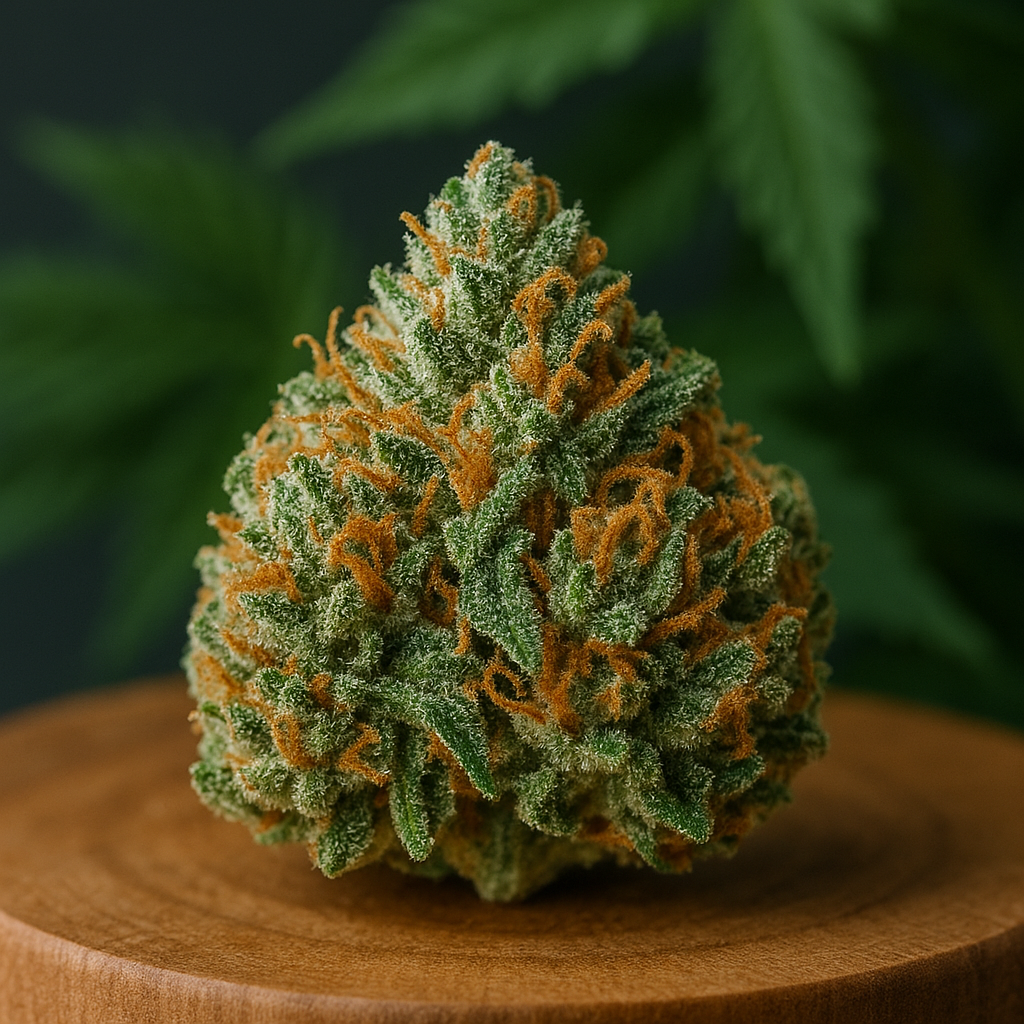
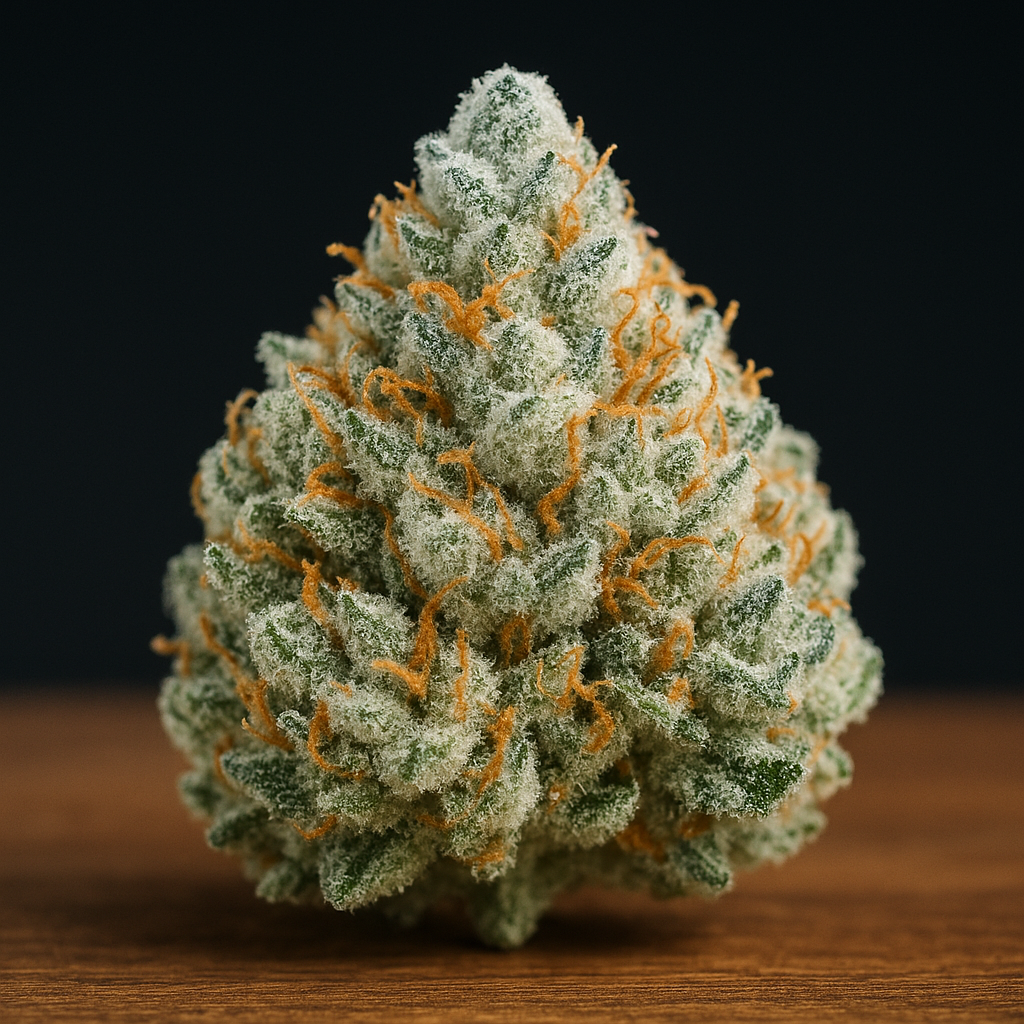
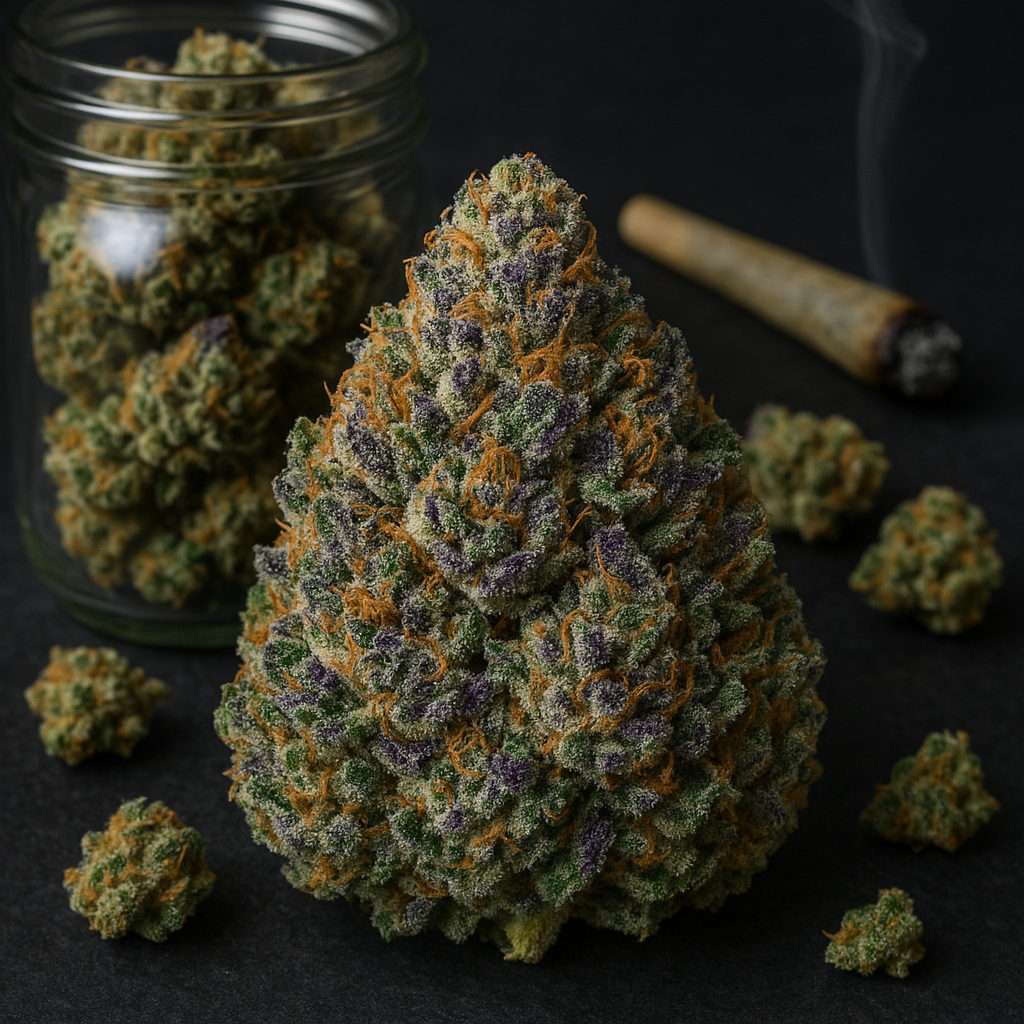
Upon opening a jar of Blue Slush, you’re greeted by an enchanting aroma that combines notes of sweet berries, cool menthol, and a hint of sugary nostalgia reminiscent of the classic blue raspberry slushies. The aroma is not overly pungent, making it discreet enough for both personal and recreational settings.
Taste
When you inhale, the smooth taste dances across the tongue. The initial flavor is predominantly sweet, akin to biting into a ripe blueberry. This sweetness is skillfully balanced with a cool, minty undertone reminiscent of a slushie. As you exhale, a subtle earthiness settles in, grounding the sugary notes. The overall experience leaves a refreshing aftertaste, making you crave another hit.
Terpene Profile
The flavor profile of Blue Slush is attributed to its robust terpene content. Major terpenes present in this strain include:
- Myrcene: This terpene adds to the sweet and fruity aroma while providing relaxing effects.
- Pinene: Promoting a fresh, pine-like scent, it contributes to clarity and alertness.
- Limonene: Known for its citrusy aroma, it enhances mood and may have uplifting properties.
Together, these terpenes create a nuanced flavor profile that adds depth and character to the Blue Slush experience.
Effects
Blue Slush is a well-balanced hybrid strain, usually sitting around 50% Indica and 50% Sativa, which allows it to offer the best of both worlds. The effects can vary based on individual tolerance and method of consumption, but here’s what you can generally expect.
Initial Onset
After the first few puffs, the effects of Blue Slush take hold, often beginning with a wave of euphoria that stimulates both the mind and body. Users frequently describe an uplifting sensation that promotes social interactions and enhances creativity. This initial phase can be particularly inviting for those looking to engage in conversations or partake in artistic endeavors.
Mid-Experience
As the high progresses, users may notice a gentle relaxation settling in, particularly in the body. This creeping calmness is not overpowering, which makes Blue Slush an excellent option for daytime use. Many find that they can remain productive while enjoying a soothing sense of well-being. The combination of mental stimulation and physical relaxation can also assist in alleviating stress, anxiety, and mild pain.
Duration
The effects of Blue Slush generally last between 2 to 4 hours, depending on the individual’s tolerance level and the quantity consumed. Users tend to find that, after the initial high subsides, a sense of tranquility remains, making it an ideal choice for unwinding after a long day.
Growing Tips
Growing Blue Slush can be an enjoyable endeavor for both rookies and experienced cultivators. While it has its quirks, following some specific tips can lead to a bountiful harvest.
Growing Environment
Blue Slush thrives in moderate climates. It can be grown both indoors and outdoors, but it’s essential to maintain stable temperatures. Ideal conditions include:
- Temperature: 70-80°F (21-27°C) during the day and slightly cooler at night.
- Humidity: 40-60% humidity levels are optimal. Too much humidity can encourage mold growth.
- Light: If growing indoors, high-quality LED or HPS lights will yield the best results.
Nutrients
Blue Slush has a moderate feeding regime. It prefers nutrient-rich soil but can also do well in hydroponic setups. A balanced nutrient regimen including nitrogen, phosphorus, and potassium is essential during the vegetative phase, with an emphasis on phosphorus and potassium during flowering.
Growth Cycle
Blue Slush has a relatively quick flowering period, typically ranging from 8 to 10 weeks. The plant grows medium-sized and may reach a height of 3 to 4 feet, making it suitable for smaller indoor spaces. Regular pruning is recommended to allow adequate light penetration and airflow.
Harvesting
Once the flowers exhibit a plethora of trichomes and the pistils have darkened, it’s time to harvest. The yield can range from about 300 to 400 grams per square meter when grown indoors, while outdoor yields can be higher, often exceeding 500 grams per plant under optimal conditions.
Tips for Success
- Monitor pH Levels: Keeping the pH between 6.0 and 6.7 (hydroponic) or 6.0 to 7.0 (soil) ensures nutrient absorption.
- Training Techniques: Employ techniques such as Low Stress Training (LST) and topping to enhance light exposure and yield.
- Pest Control: Regularly check for pests like spider mites and aphids. Preventive measures can save your harvest.
Profile Summary
In summation, the Blue Slush strain embodies a delightful amalgamation of flavor, effects, and cultivation ease that makes it appealing to both casual consumers and dedicated growers. Its sweet, refreshing flavor profile enriched with vibrant aromas sets it apart in the market. Beyond its mouthwatering taste, Blue Slush delivers an uplifting yet balanced high, perfect for socializing or unwinding after a long day.
Pros:
- Delicious flavor profile resembling blue raspberry slush.
- Well-balanced effects that combine euphoria with calming relaxation.
- Relatively easy to grow, making it accessible for new cultivators.
Cons:
- May require careful monitoring of humidity to prevent mold.
- The balanced effects might not be suitable for consumers seeking heavy Indica or Sativa effects.
Overall Profile
Related strain profiles
Profile note: Cannabis sold under the same strain name can vary by breeder, phenotype, cultivation, storage and batch. Effects are subjective; use current product labeling or available lab information for the specific product, and do not drive while impaired.