At a glance
| Entry | Black Dahlia |
|---|---|
| Type | Hybrid |
| Reported effect categories | Sleepy |
| Commonly described aroma/flavor | See sensory notes below |
| Original publication date | 2026-07-21 |
Genetic Lineage
Black Dahlia is a hybrid strain that typically showcases a balance between Sativa and Indica traits. It is often referred to as a cross between the popular strains Blackberry and a representative of the well-known hybrid, possibly either a Kush or OG lineage. The result of this breeding offers consumers a blend of uplifting effects and calming sensations, making it versatile for a wide range of users.
The specific genetic composition often influences the strain’s variability in effects, THC levels, and overall experience. On average, Black Dahlia contains a THC content ranging from 19% to 22%, with a lower CBD percentage that usually falls below 1%. This concentration places Black Dahlia into the realm of moderate potency, allowing adult-use consumers to enjoy its effects without overwhelming sedation.
Terpene Profile
Key Terpenes in Black Dahlia
-
Myrcene:
- Concentration: Predominantly found
- Aroma: Earthy and musky with hints of herbal notes
- Effects: Known for its sedative properties, myrcene is believed to enhance relaxation and sleep. It’s thought that this terpene may allow consumers to experience a more profound sense of calm during their high.
- Humulene:
- Concentration: Trace amounts
- Aroma: Earthy and herbal
- Effects: Humulene has shown promise in appetite suppression and provides anti-inflammatory benefits.
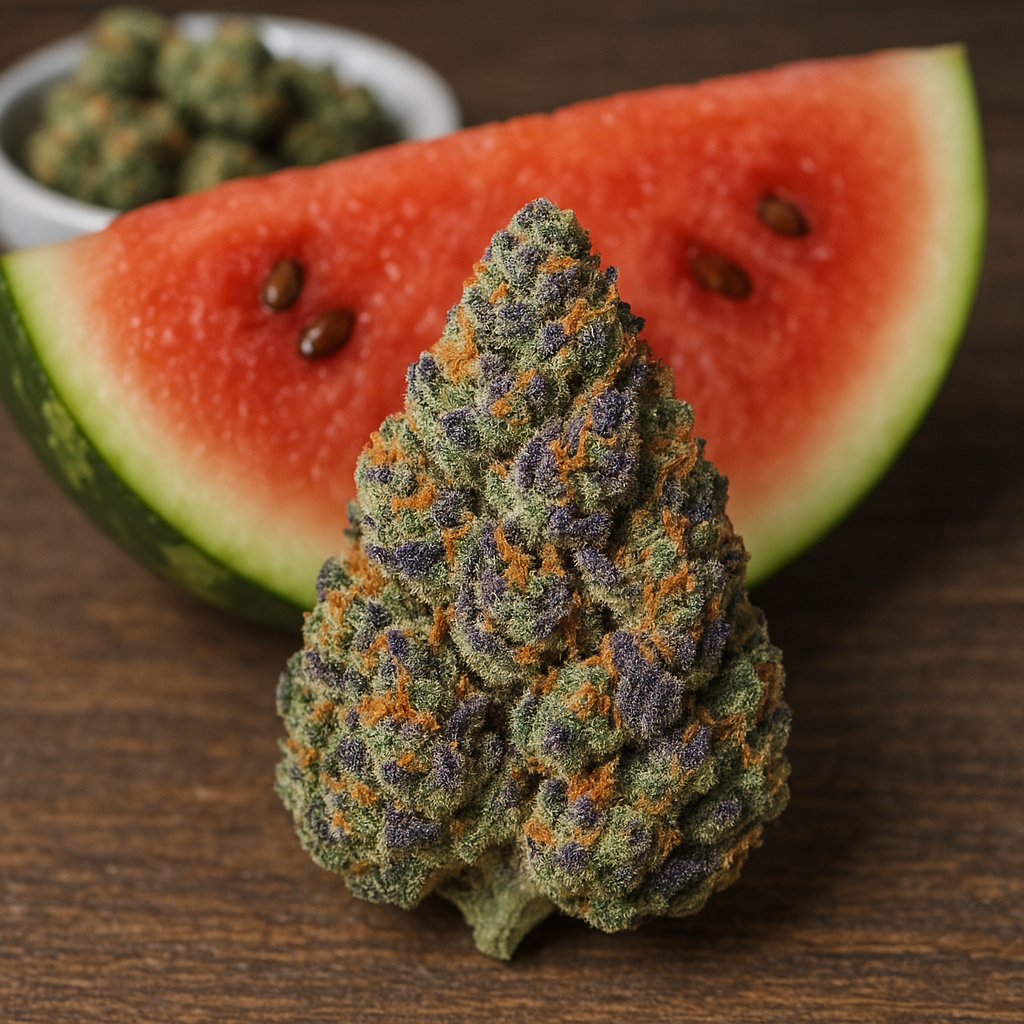
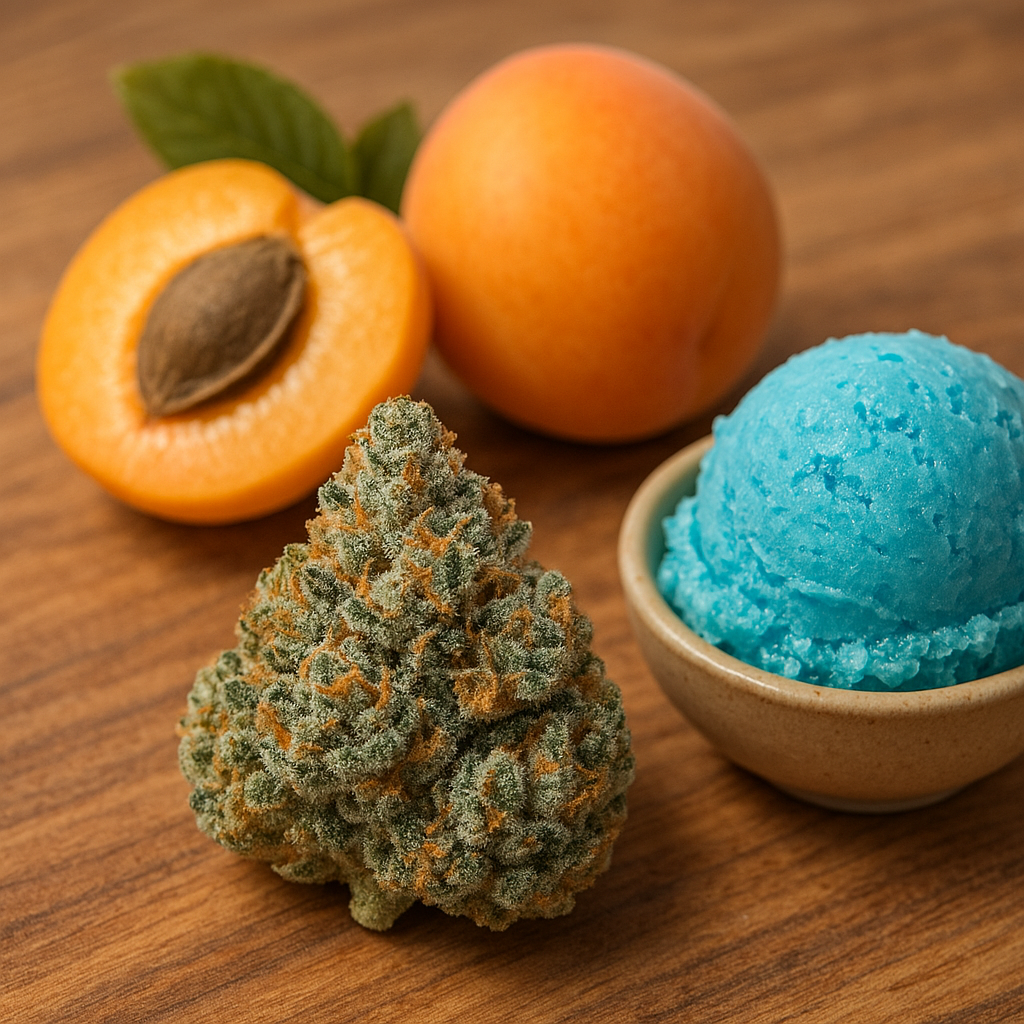
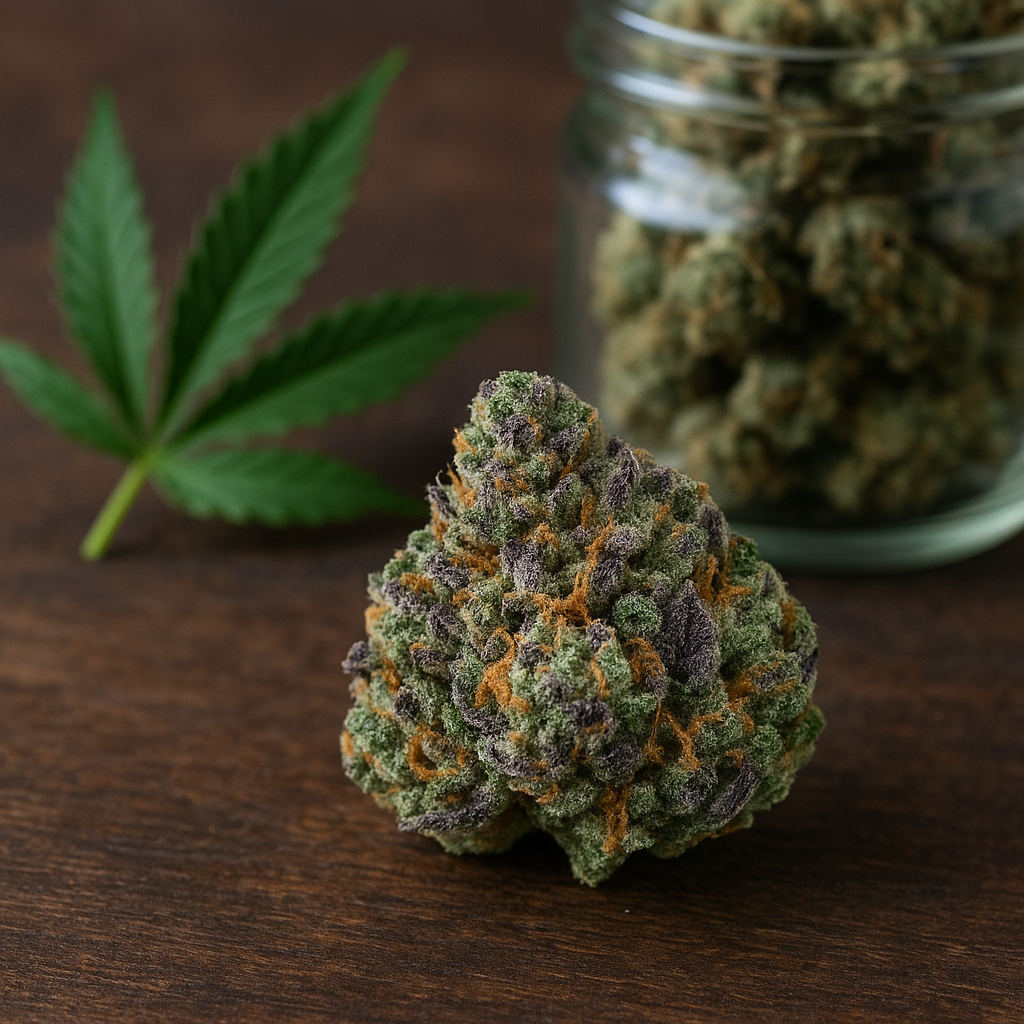
The combination of these terpenes creates a complex aromatic profile that is both inviting and intriguing. Users often describe the scent of Black Dahlia as sweet, floral, and slightly earthy, making it a pleasure to consume. The interplay between these terpenes also enhances the overall effects of the strain, tapping into the synergy of the entourage effect to provide a rounded experience.
Effects and Experience
When it comes to its effects, Black Dahlia is lauded for its balanced nature. Users often report an immediate uplift in mood, accompanied by a wave of euphoria that gently settles into a relaxed state. The initial cerebral high is often characterized by creativity and focus, making it an excellent option for artistic endeavors or social gatherings.
Positive Effects
- Euphoria: Users frequently report feelings of happiness and joy.
- Creativity: Many users find that Black Dahlia enhances their creative thinking.
- Mental Clarity: Thanks to the presence of pinene, consumers may experience improved focus.
Negative Effects
While Black Dahlia is generally well-tolerated, users should still be aware of the potential adverse effects:
- Dry Mouth: Commonly experienced by many cannabis strains.
- Dry Eyes: Often accompanies cannabis consumption, especially in higher doses.
- Anxiety: Some users may experience increased anxiety or paranoia, especially those sensitive to THC.
Cultivation
For those interested in cultivating Black Dahlia, it is essential to note that this strain can be somewhat demanding, requiring careful attention to environmental factors.
Growth Characteristics
- Flowering Time: Black Dahlia typically takes around 8 to 10 weeks to flower, making it moderately fast relative to other strains.
- Yields: Indoor growers can expect a yield of approximately 12 to 14 ounces per square meter, while outdoor cultivation might yield around 10 to 12 ounces per plant.
- Preferred Environment: This strain thrives in a controlled environment, with a preference for warm and humid conditions. Supportive nutrients and pH balance in the soil can significantly affect a successful yield.
- Resistance: Black Dahlia is moderately resistant to pests and disease, but growers should remain vigilant to maintain plant health and avoid potential issues.
Indoor vs. Outdoor Cultivation
Black Dahlia can be successfully grown both indoors and outdoors. Indoor cultivation allows for better control over the environment, which can enhance the strain’s unique flavor and cannabinoid profile. Outdoor growers enjoy the natural light and spacious conditions, but must be cautious of varying weather conditions.
Profile Summary
Black Dahlia stands out in the crowded cannabis market for its well-rounded experience and unique terpene profile. Here’s a summarized review round-up:
Pros:
- Balanced Effects: Provides uplifting mood enhancement with relaxing undertones.
- Unique Terpene Profile: Combines various terpenes that contribute to its complex aroma and effects.
- Cultivation Versatility: Can be grown indoors or outdoors with proper care.
Cons:
- Moderate Cultivation Difficulty: Requires careful attention to environment and nutrients.
- Potential for Dry Mouth/Eyes: Common side effects associated with cannabis use.
- Variable THC Levels: While moderate, some users may find stronger strains preferable.
In summary, Black Dahlia is an exceptional strain that offers a delightful blend of effects tailored for both recreational and reported users. Its unique terpene profile and balanced experience make it an ideal choice for those seeking a versatile strain. Whether you’re an experienced cannabis enthusiast or a newcomer exploring the vast landscape of strains, Black Dahlia is worth considering for your next cannabis experience.
Related strain profiles
Profile note: Cannabis sold under the same strain name can vary by breeder, phenotype, cultivation, storage and batch. Effects are subjective; use current product labeling or available lab information for the specific product, and do not drive while impaired.