At a glance
| Entry | Taliban Poison |
|---|---|
| Type | Indica |
| Reported effect categories | Creative |
| Commonly described aroma/flavor | earthy, pine, herbal |
| Original publication date | 2026-06-27 |
Exploring the Taliban Poison Strain: An detailed profile
Cannabis enthusiasts are always on the lookout for unique and potent strains that can offer distinctive experiences. One such strain drawing attention is Taliban Poison. This name itself may lead some to intrigue, while others may feel skeptical. However, this cannabis strain has a reputation that is worth exploring. This review will take an in-depth look at the Taliban Poison strain, covering its genetics, effects, cultivation characteristics, and overall user experiences, culminating in a detailed profile roundup.
1. Genetic Background
1.1 Origins of Taliban Poison
Taliban Poison is an indica-dominant hybrid strain rooted in a blend of Afghan genetics. Its ancestry can trace back to two primary genetic lines: Afghan Kush and a strain locally hybridized in regions bordering Afghanistan, which contributes to its unique profile and effects.
Afghan Kush is renowned for its potent effects and heavy resin production, making it a staple in hash production. Its long history of use in traditional cannabis cultivation lends credibility to the traits found in Taliban Poison. The other parent strain, often described as a local landrace, provides added herbal and earthy notes to the flavor profile.
1.2 THC and CBD Levels
Taliban Poison typically boasts impressive THC levels ranging from 20% to 25%, making it a powerful option for seasoned users. Its CBD levels tend to be moderate, around 0.5% to 1%, rendering it lesser-known for reported effects compared to its intoxicating properties. The high THC content is vital for its characteristic effects and contributes to its popularity among recreational users.
2. Aroma and Flavor Profile
2.1 Aroma
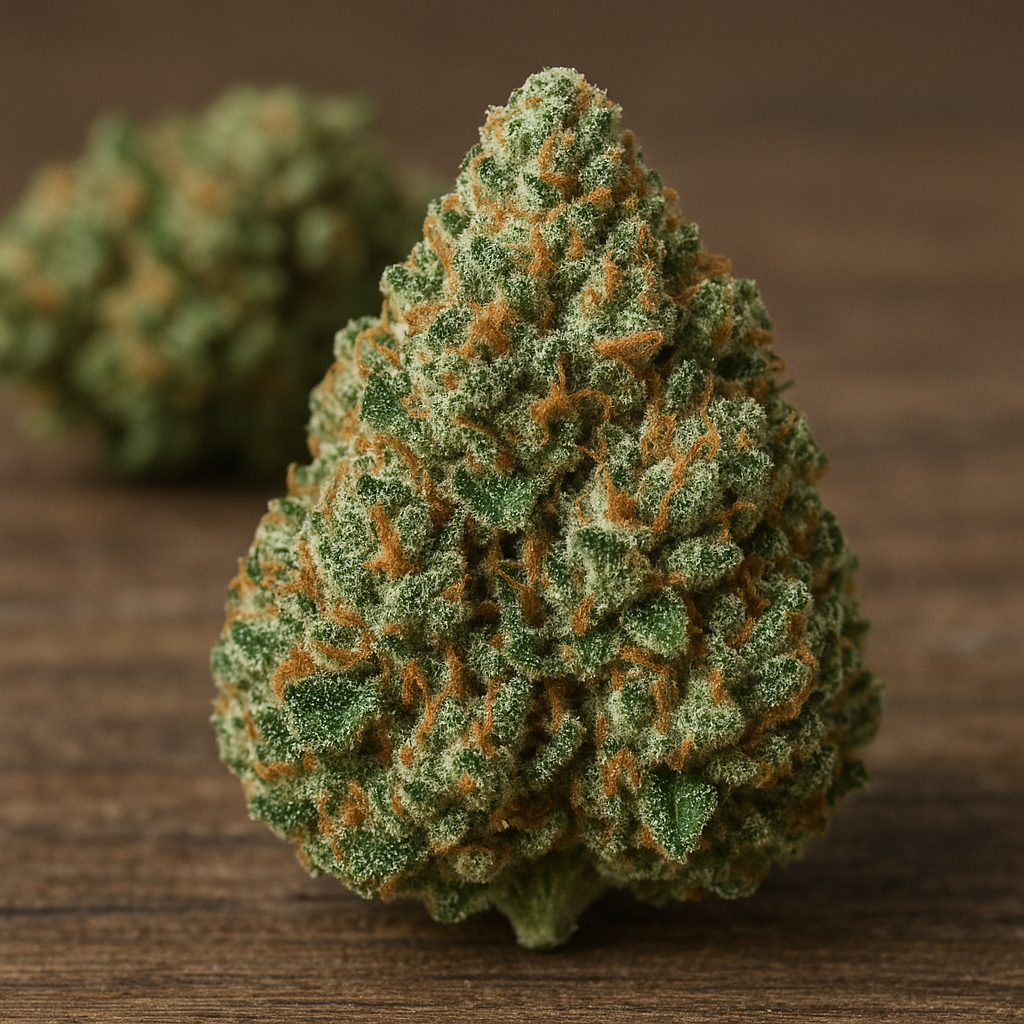
The first experience many users have with Taliban Poison begins with its distinct aroma. When you open a jar of this strain, you are met with a strong, pungent scent that has complex layers. The most prominent characteristics include:
- Earthy Undertones: A deep, earthy scent reminiscent of damp soil, which is often associated with indica strains.
- Pine Notes: There are also subtle hints of pine and cedar, likely derived from its Afghan lineage.
- Spicy and Herbal: Lastly, a distinct spiciness comes through, creating an overall herbal experience that adds depth.
2.2 Flavor
When consumed, Taliban Poison maintains the same complexity found in its aroma. Users report flavors of:
- Earth: The earthy notes prevail, offering a grounding experience.
- Hashy Spice: There’s a familiar hash-like quality that many cannabis lovers will appreciate.
- Sweetness: Upon exhale, a slight sweetness lingers, balancing the other flavors.
This combination not only makes the strain pleasant to smoke but also exceptionally satisfying for those who enjoy a diverse flavor palette.
4. Cultivation Tips
4.1 Growing Environment
Taliban Poison can thrive both indoors and outdoors, although it’s generally recommended to grow it outdoors for optimal results. This strain thrives in a Mediterranean climate where it can receive plenty of sunlight and warmth.
4.2 Growth Characteristics
- Height: Talibaan Poison tends to grow to a moderate height, usually reaching around 3 to 5 feet, making it easy to manage indoors.
- Flowering Time: The flowering period is relatively short, typically around 8 to 10 weeks.
- Yield: Indoor growers can expect a yield of about 400 to 500 grams per square meter, while outdoor growers can achieve approximately 600 grams or more per plant.
4.3 Nutrient Requirements
When cultivating Taliban Poison, it’s essential to provide nutrients tailored for flowering and resin production. High-quality nutrients, along with attention to pH levels and soil quality, can lead to a more successful harvest.
5. Availability and Market Trends
Taliban Poison has grown in popularity but can be somewhat niche based on regional strain availability. In legalized markets, it can often be found in dispensaries as both flower and concentrate products, although its supply may be limited compared to more popular strains.
5.1 Price Point
Pricing varies significantly based on location and availability, but one can typically expect to pay between $10 to $15 per gram and about $250 to $350 per ounce.
5.2 User Demographics
6. User Reviews and Experiences
6.1 Positive Feedback
Users praise Taliban Poison for its incredibly relaxing effects and flavorful profile. Comments often highlight its ability to ease anxiety and muscle tension:
- Relaxation: Many users report a deep sense of relaxation that makes it ideal for winding down after a long day.
- Flavor: Enthusiasts enjoy the diverse flavor profile, frequently stating it’s one of their favorite aspects.
6.2 Critiques
On the downside, some users report potential drawbacks, particularly for novices. Comments include:
- Paranoia: A portion of users noted feelings of paranoia when consuming high doses, particularly those less tolerant to THC.
- Heavy Couch Lock: While many appreciate its sedative qualities, a few noted that the heaviness might inhibit productivity.
7. Review Roundup
Overall Impression
Overall Profile
In conclusion, Taliban Poison stands out in the crowded cannabis marketplace for its unique characteristics, intense effects, and flavorful experience. Whether you’re a seasoned enthusiast or a curious newcomer, it’s certainly worth a try, provided that you approach it responsibly.
Related strain profiles
Profile note: Cannabis sold under the same strain name can vary by breeder, phenotype, cultivation, storage and batch. Effects are subjective; use current product labeling or available lab information for the specific product, and do not drive while impaired.