At a glance
| Entry | Sweet Tea |
|---|---|
| Type | Hybrid |
| Reported effect categories | Focused |
| Commonly described aroma/flavor | citrus, fruity, sweet |
| Original publication date | 2026-06-07 |
The cannabis world is replete with diverse strains, each offering unique aromas, flavors, and effects that cater to different preferences and needs. Among the myriad of options available, the Sweet Tea strain stands out for its harmonious blend of flavor and potency. In this detailed profile, we will explore the origins, characteristics, effects, and consumption of Sweet Tea, as well as provide a review roundup to help you determine if this strain is worth your time and investment.
Origins and Genetics
The Sweet Tea strain is believed to be a hybrid, with a lineage that combines both indica and sativa traits. While specific details about its parent strains can vary, it’s often reported to be a cross between the well-known Purple Urkle and Mango, two potent strains in their own right. This lineage contributes to Sweet Tea’s unique flavor profile and balanced effects.
Purple Urkle is celebrated for its fruity flavor and relaxing effects, often used to alleviate stress and anxiety. On the other hand, Mango is known for its sweet, tropical scent and euphoric effects, delivering a cheerful and uplifting experience. The marriage of these two strains creates a well-rounded profile, appealing to adult-use consumers.
Appearance
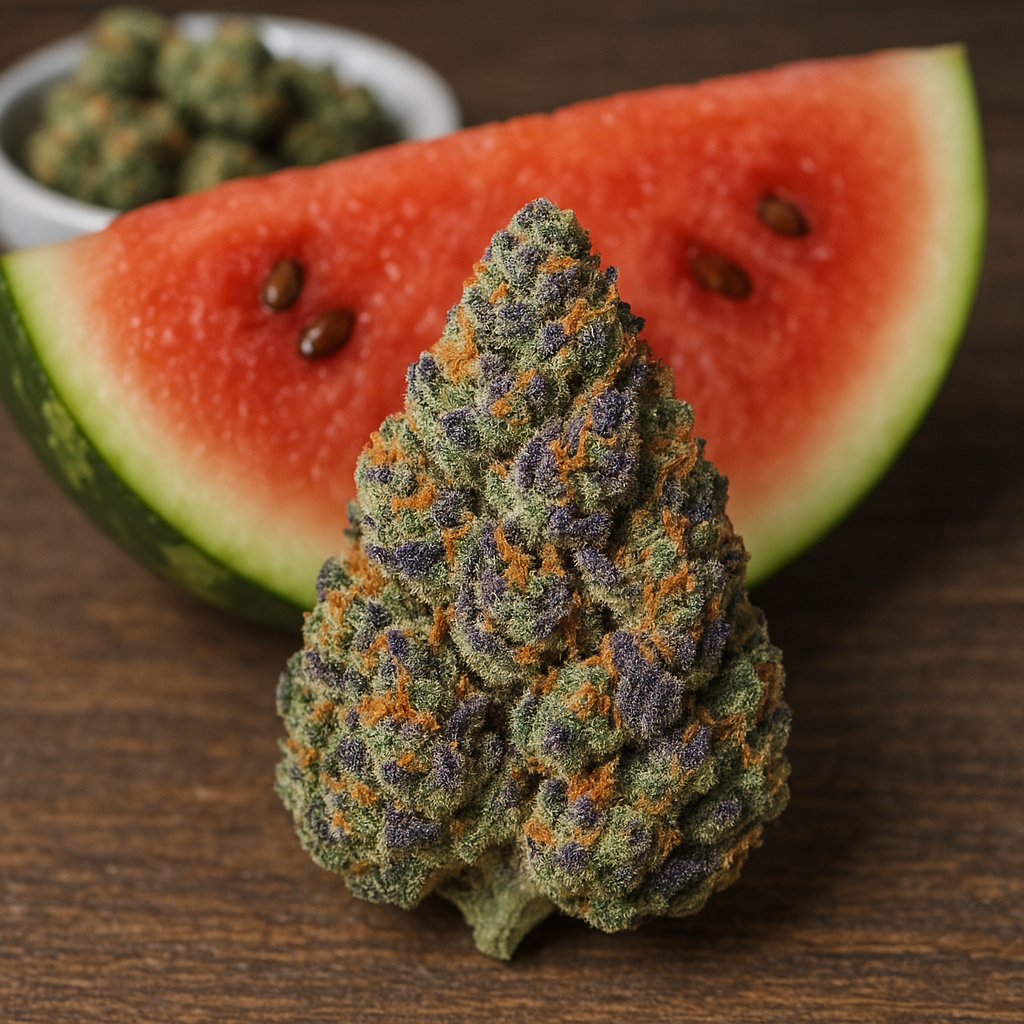
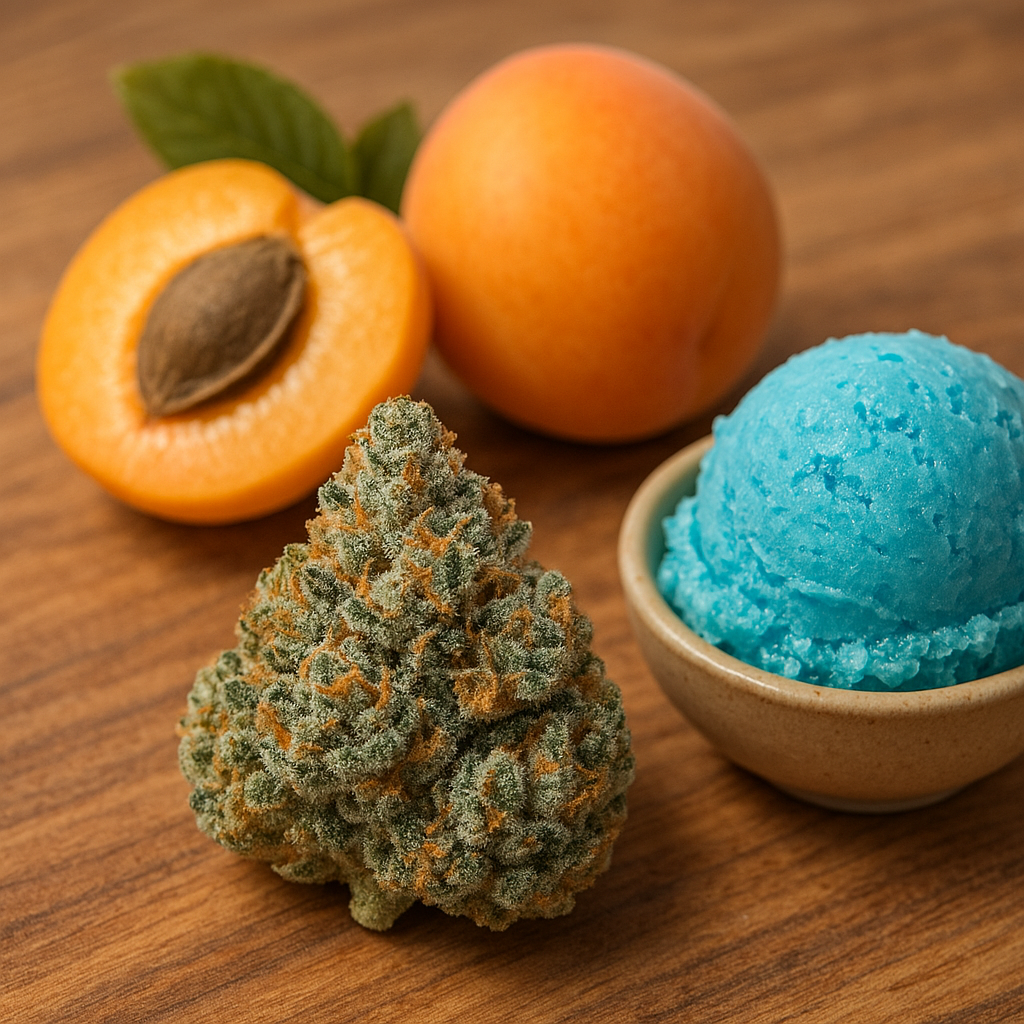
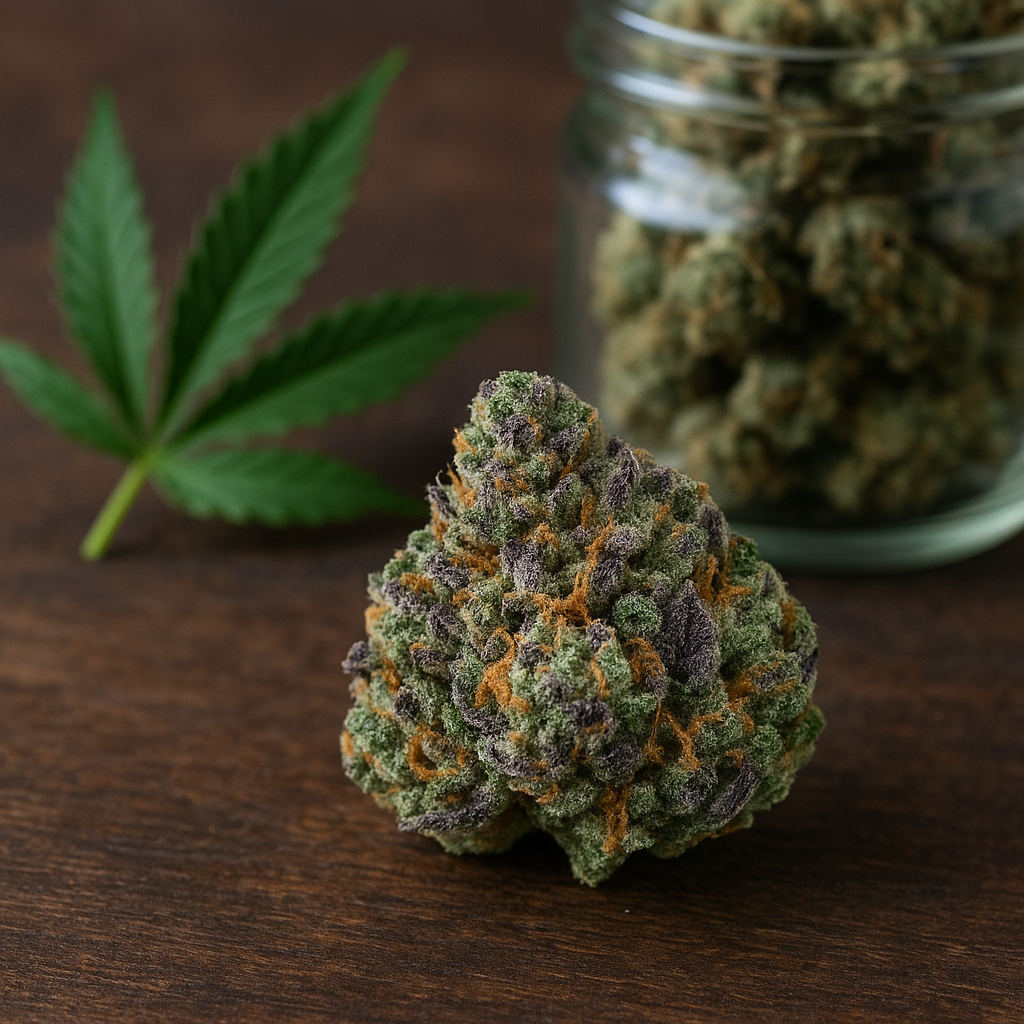
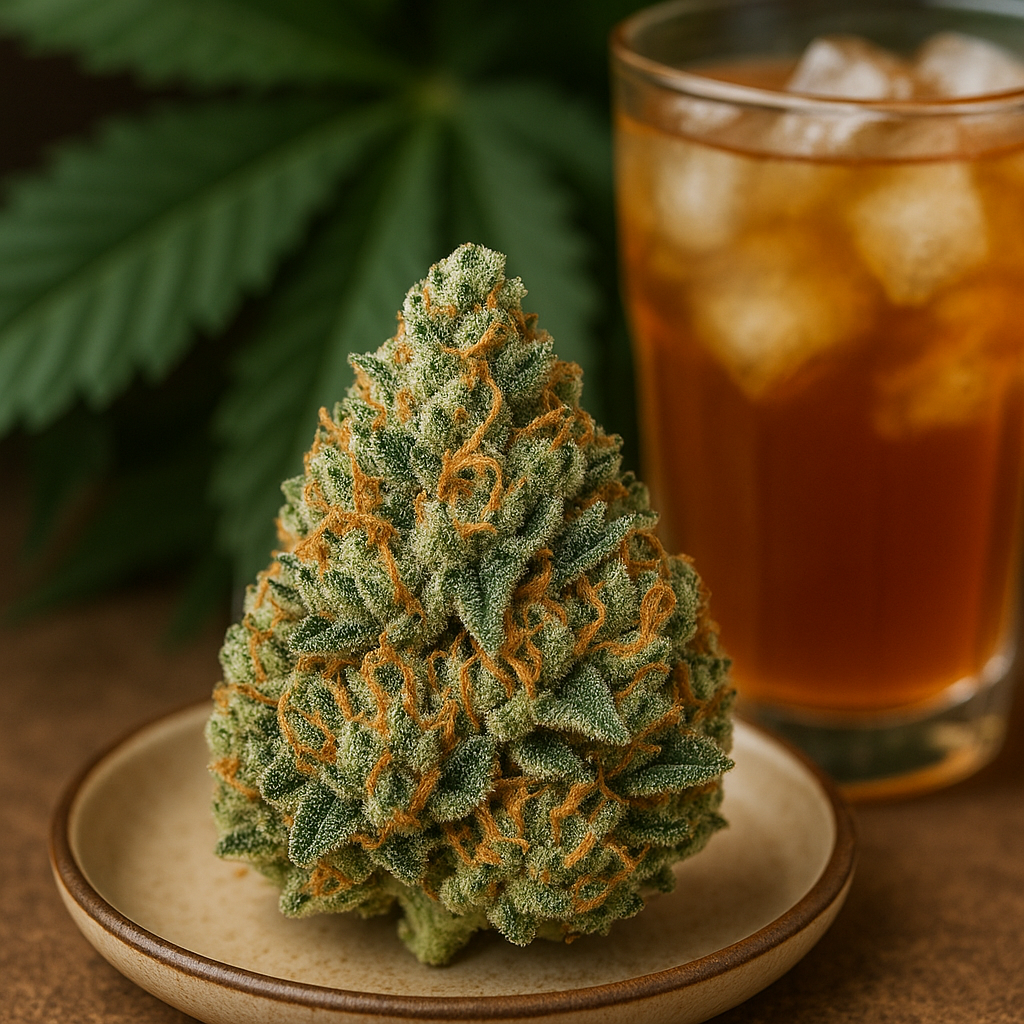
Visually, Sweet Tea is a treat for the eyes. The buds are dense and compact, generally exhibiting a vibrant green color intermixed with purple hues that reflect its Purple Urkle heritage. The trichomes cover the surface, giving the buds a frosty appearance. Bright orange pistils weave through the green, adding a visual contrast that is immediately appealing.
Upon closer inspection, the nugs showcase a healthy level of resin, indicating good potency. When broken apart, the buds tend to be sticky, indicating their freshness and the presence of essential oils.
Aroma and Flavor Profile
The aromatic composition of the Sweet Tea strain is one of its standout features. Users are greeted with a delightful blend of sweet, citrusy, and earthy notes upon opening a jar. The name “Sweet Tea” is fitting, as the scent is reminiscent of freshly brewed sweet tea infused with hints of fruit.
Aroma Breakdown:
- Top Notes: Sweet citrus, fruity undertones
- Middle Notes: Earthy, herbal notes, reminiscent of tea
- Base Notes: Subtle woodiness and a hint of spice
Upon consumption, the flavor profile mirrors the aroma quite closely. The inhale presents a sweet, refreshing burst akin to sipping on a cooled glass of sweet tea, while the exhale leaves behind a smooth, earthy aftertaste. This flavor harmony earns high marks from users, making it enjoyable for even those who are typically critical about taste.
Cannabinoid Profile
Sweet Tea typically boasts a well-balanced cannabinoid profile, with THC levels averaging between 18% to 22%. Such potency makes it suitable for both novice and seasoned consumers, although it’s always wise to start with a small serving if you’re unfamiliar with your tolerance.
Along with THC, Sweet Tea also contains moderate levels of CBD, usually around 1% to 3%. This balanced cannabinoid profile may contribute to its versatility, catering to adult-use consumers.
Effects
The effects of Sweet Tea are where this strain truly shines, combining both relaxation and euphoria to create an overall uplifting experience.
Initial Effects:
- Euphoria: Users often report a wave of happiness that washes over them shortly after inhalation.
- Mental Clarity: The strain engages the mind, enhancing creativity and focus, making it great for daytime use.
- Sociability: Many users feel a sense of openness and ability to engage in conversation, making it a fun choice for social gatherings.
Subsequent Effects:
- Relaxation: As the high progresses, many users feel physical relaxation, easing tension in the body.
- Sedation: After a few hours, Sweet Tea may lead to a gentle sedation, ideal for winding down in the evening.
- Sleep Inducement: While it can be uplifting at first, some users find it helpful for sleep, especially if consumed in larger quantities.
Duration of Effects:
Sweet Tea typically provides effects that last around two to three hours, depending on dosage and individual tolerance. The onset is swift, with effects felt within 10 to 15 minutes after consumption.
Consumption Methods
The versatility of Sweet Tea allows for multiple consumption methods:
1. Smoking: Traditional methods, such as rolling or using a pipe, are popular among users who appreciate the immediate effects and flavor.
2. Vaping: Utilizing a dry herb vaporizer preserves flavor and reduces harmful byproducts from combustion.
3. Edibles: While less common, infusing this strain into edible products can enhance flavor and provide longer-lasting effects.
4. Concentrates: For those seeking a more potent experience, Sweet Tea is also available in various concentrate forms such as wax, shatter, and oils.
Cultivation and Growing
For those interested in cultivating Sweet Tea, it’s worth noting that this strain can be somewhat finicky compared to others. While not the most challenging strain to grow, it does require extra attention to thrive.
Growing Environment:
- Indoors vs. Outdoors: Sweet Tea can be grown both indoors and outdoors, but it flourishes indoors with controlled conditions.
Cultivation Tips:
- Temperature: The ideal temperature is between seventy and eighty degrees Fahrenheit.
- Humidity: Maintaining humidity levels between forty to fifty percent during the vegetative stage is crucial.
- Nutrients: Feeding this strain balanced nutrients that emphasize nitrogen during early growth, and phosphorus and potassium during the flowering phase is beneficial.
- Flowering Time: Sweet Tea has a flowering time of approximately eight to ten weeks.
Profile Summary
To sum up, Sweet Tea is a delightful strain that shines in many aspects:
Pros:
- Flavor: A sweet and fruity profile that appeals to a wide audience.
- Effects: Balanced and versatile, it offers both uplifting and relaxing properties.
Cons:
- Cultivation: May be more challenging to grow for novice cultivators.
- Variable Availability: Depending on the market, this strain sometimes can be harder to find compared to other popular strains.
Overall Profile
Overall, Sweet Tea presents a well-rounded offering reflecting the best of both indica and sativa qualities. Its ability to uplift and relax makes it suitable for different times of day, catering to users with varying needs. Whether you’re seeking relaxation after a long day or inspiration for creative pursuits, Sweet Tea can serve as a delightful companion.
If you’re looking to experiment or find a new addition to your collection, Sweet Tea might just be the perfect blend of flavor and effects that you’ve been searching for.
Related strain profiles
Profile note: Cannabis sold under the same strain name can vary by breeder, phenotype, cultivation, storage and batch. Effects are subjective; use current product labeling or available lab information for the specific product, and do not drive while impaired.