At a glance
| Entry | Tahoe Purps |
|---|---|
| Type | Indica |
| Reported effect categories | Creative |
| Commonly described aroma/flavor | berry, grape, sweet |
| Original publication date | 2025-05-31 |
Introduction
Cannabis enthusiasts often find themselves on a quest for the perfect strain, one that not only meets their preferred effects and flavor profiles but also delights the senses. One such captivating strain is Tahoe Purps, a hybrid that has carved a niche for itself in the ever-expanding cannabis market. This review aims to delve deeply into the characteristics, effects, cultivation, and user experiences associated with Tahoe Purps, providing both novices and connoisseurs with a comprehensive understanding of this remarkable strain.
Strain Overview
Genetics
Tahoe Purps is believed to be a cross between the well-known Granddaddy Purple and an unknown OG Kush phenotype. This lineage contributes to its complex terpene profile and distinctive appearance, which showcases the best traits of both parent strains.
- Type: Hybrid (Indica-dominant)
- THC Content: Approximately 18-22%
- CBD Content: Less than 1%
- Dominant Terpene: Myrcene
Appearance
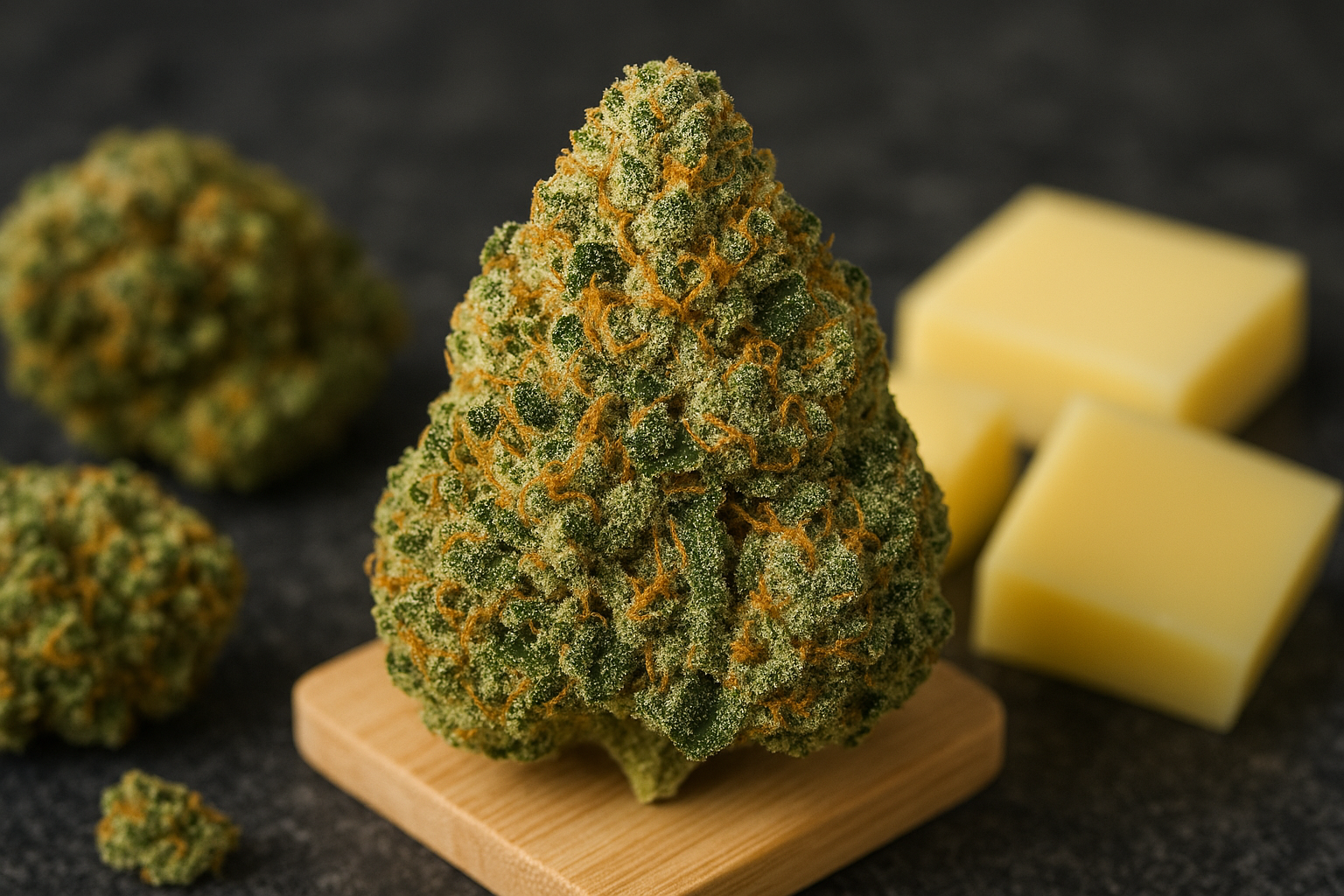
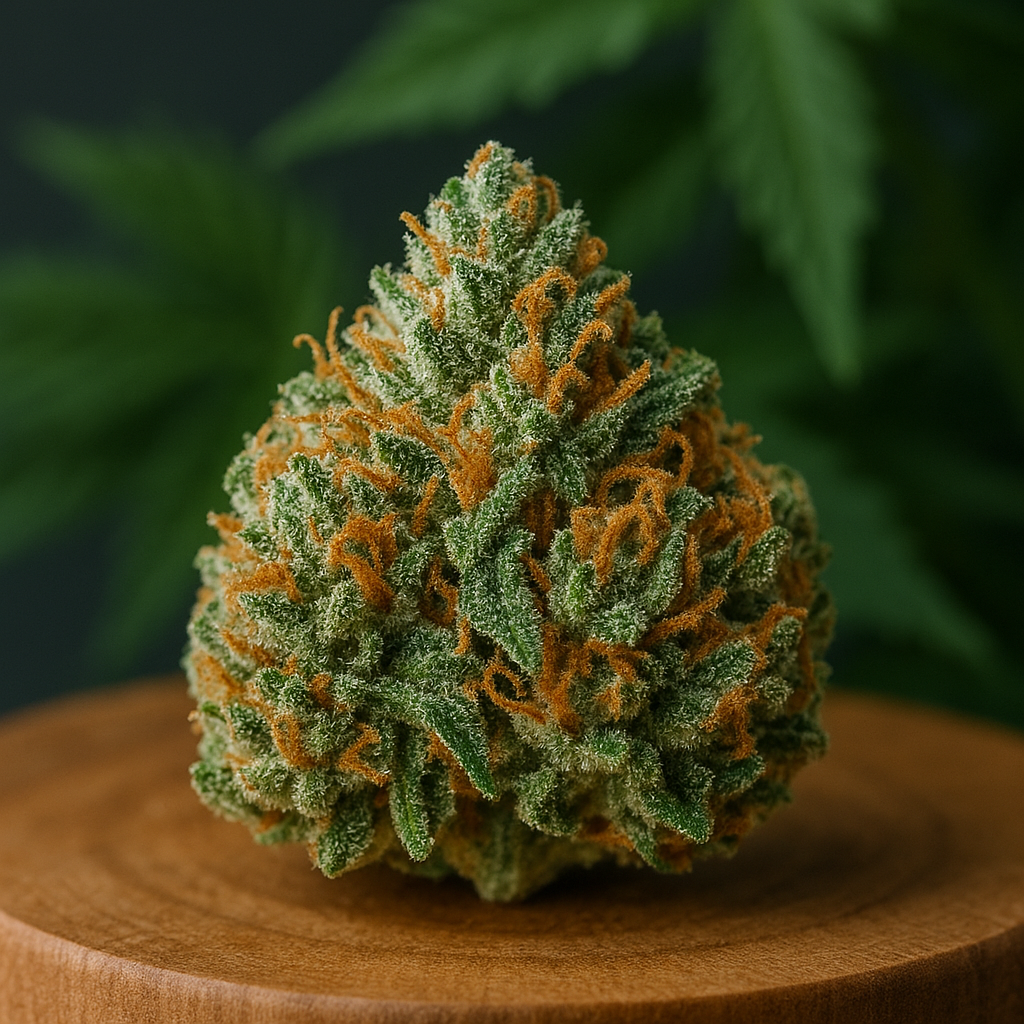
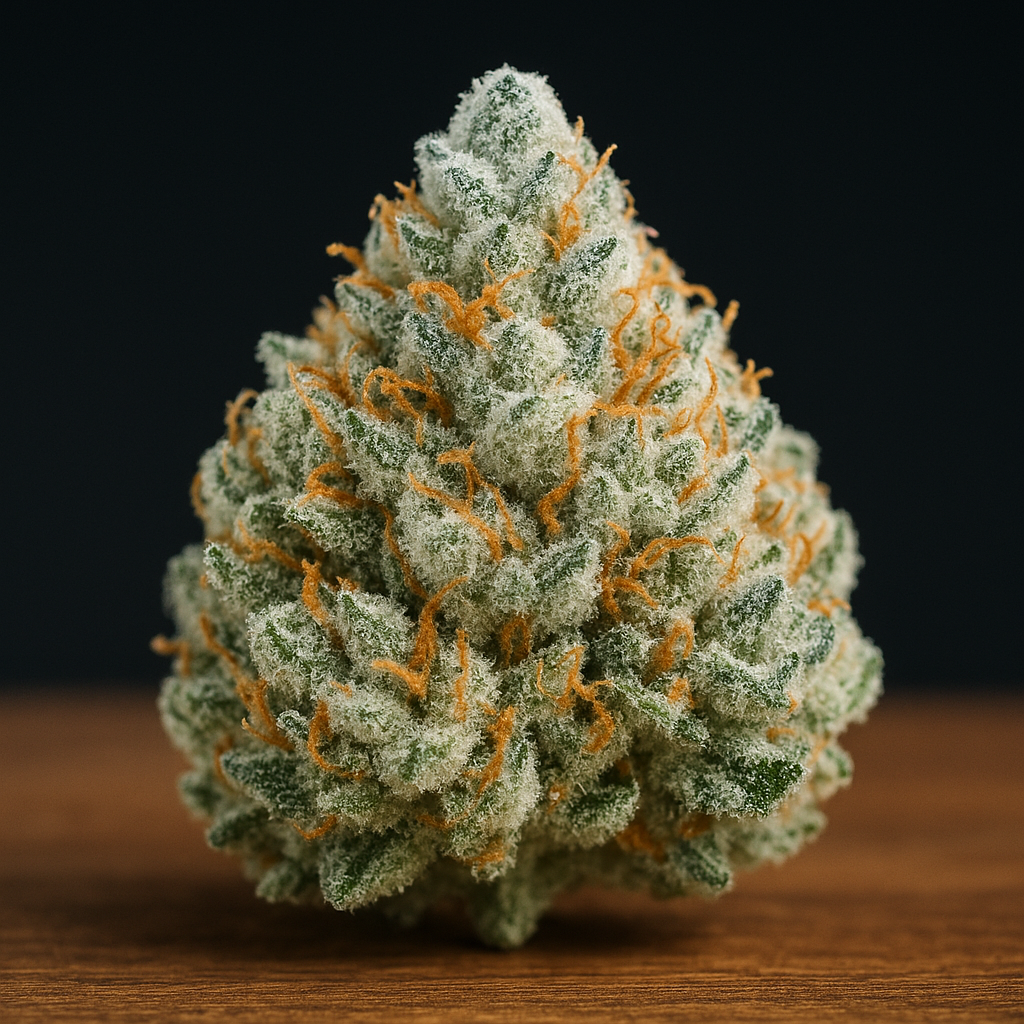
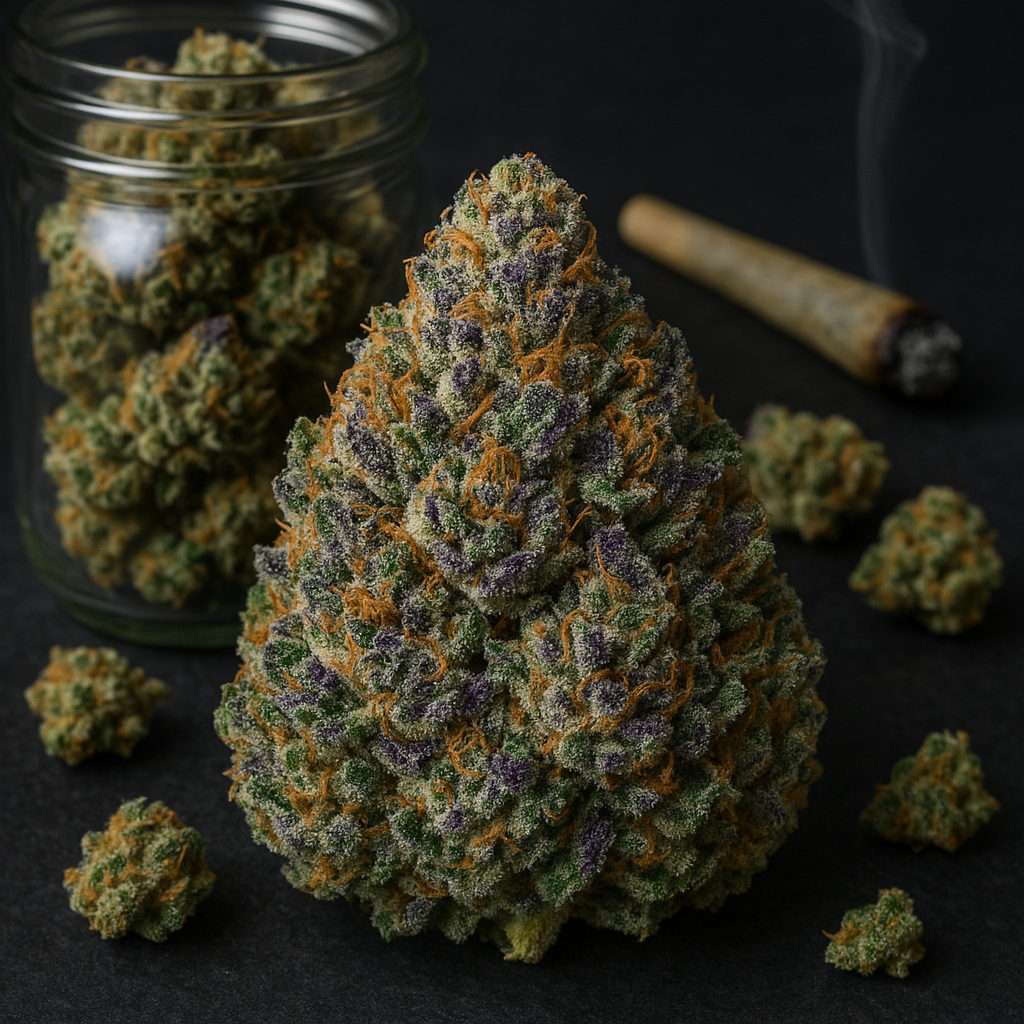
Tahoe Purps is visually striking. The buds are small to medium in size and are characterized by a dense structure. They are cloaked in a rich, dark green color with deep purple hues that emerge as the plant matures. The surface is coated with a thick layer of amber and milky trichomes, giving the strain a frosted appearance that looks as appealing as it is aromatic.
Aroma and Flavor
Upon first sniff, Tahoe Purps exudes a sweet and earthy aroma, with subtle notes of berry and grape. This complex fragrance is attributed predominantly to its myrcene content. When smoked, the flavor profile mirrors its aroma, presenting a smooth, sweet smoke with hints of grape and a slightly spicy aftertaste. Users often describe the taste as rich and comforting, making it a pleasure to enjoy.
Suggested Consumption Methods
Smoking
For users who enjoy the traditional route, smoking flower might be the preferred method. Whether through a joint, pipe, or bong, this method allows users to fully experience the aroma and immediate effects of Tahoe Purps.
Vaping
Vaping is an increasingly popular choice among cannabis consumers. Not only does it reduce harmful byproducts from combustion, but it also preserves the terpenes and flavor, making it ideal for true flavor enthusiasts.
Edibles and Concentrates
For those looking for lasting effects and a different approach, Tahoe Purps can be infused into edibles or concentrates. However, users should be cautious with dosing, as the effects of edibles can take much longer to onset and last significantly longer.
Cultivation
Difficulty Level
Cultivating Tahoe Purps is considered moderately difficult, making it an popular option for growers looking to develop their skills. While it does require some care and attention, the payoff can be rewarding.
Indoors vs. Outdoors
-
Indoor Cultivation: Tahoe Purps typically thrives indoors where growers can fully control the light and nutrient conditions. Indoor plants may yield around 1 to 2 ounces per square foot depending on environmental factors and training techniques used.
- Outdoor Cultivation: When cultivated outdoors, Tahoe Purps can flourish in warm climates and tends to yield higher, with typical ranges of 3 to 6 ounces per plant. It’s advisable to harvest before the onset of heavy rainfall to prevent mildew.
Growth Timeline
The overall growth cycle for Tahoe Purps is approximately 8 to 10 weeks from seed to harvest.
- Germination: About 1 week.
- Vegetative Stage: 4-6 weeks.
- Flowering Stage: 8-10 weeks.
- Harvest: Desired trichome coloration should guide this stage; amber trichomes typically indicate optimal harvest time.
Recommended Nutrients
Quality nutrients tailored for cannabis growth are essential. During the vegetative stage, nitrogen-rich formulas are advisable, while the flowering stage requires increased phosphorus and potassium.
Pest and Disease Management
Growers should be vigilant for pests such as spider mites and whiteflies. Employing integrated pest management techniques will help mitigate risks while employing organic pesticides when necessary. Mildew can also be an issue in high humidity, so controlling the environment is crucial.
Conclusion
Profile Summary
- Overall Score: 9/10
- Cultivation: 7.5/10 – Moderately difficult but rewarding.
Related strain profiles
Profile note: Cannabis sold under the same strain name can vary by breeder, phenotype, cultivation, storage and batch. Effects are subjective; use current product labeling or available lab information for the specific product, and do not drive while impaired.