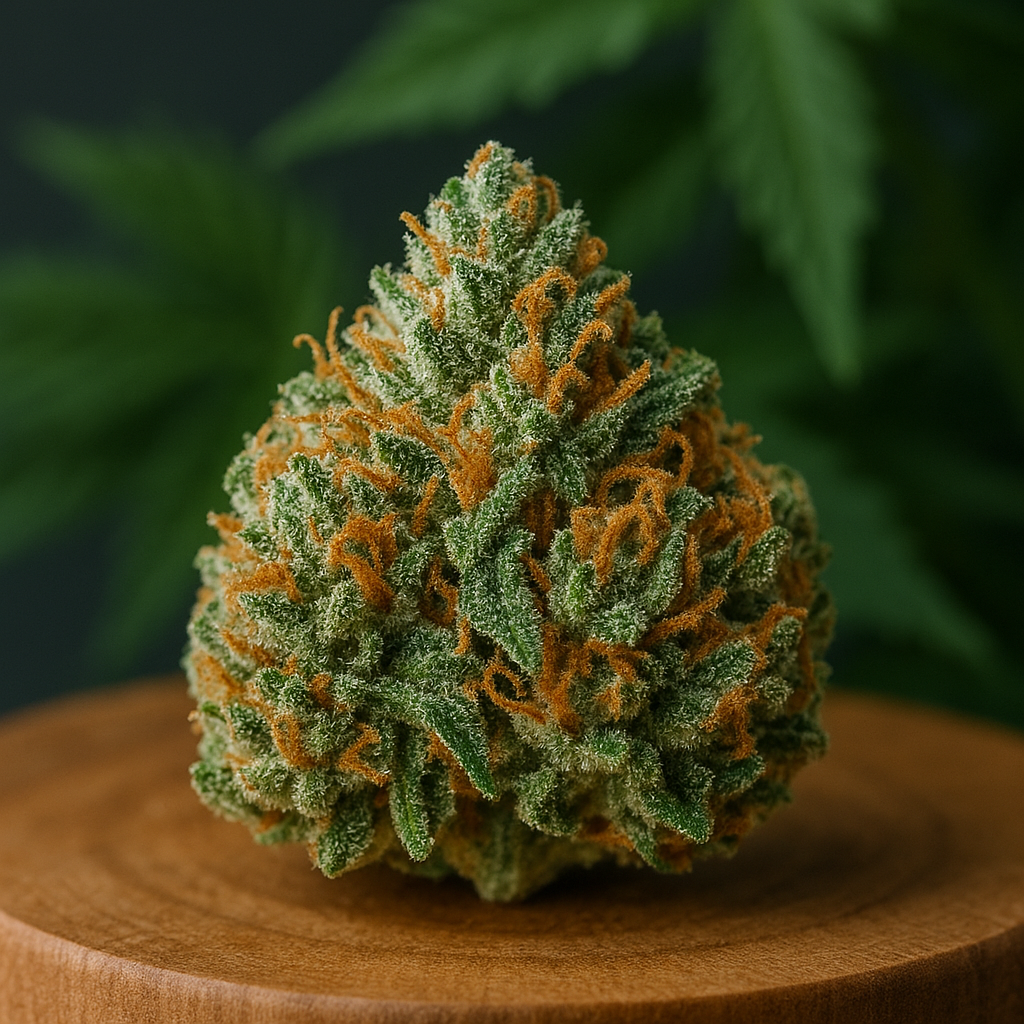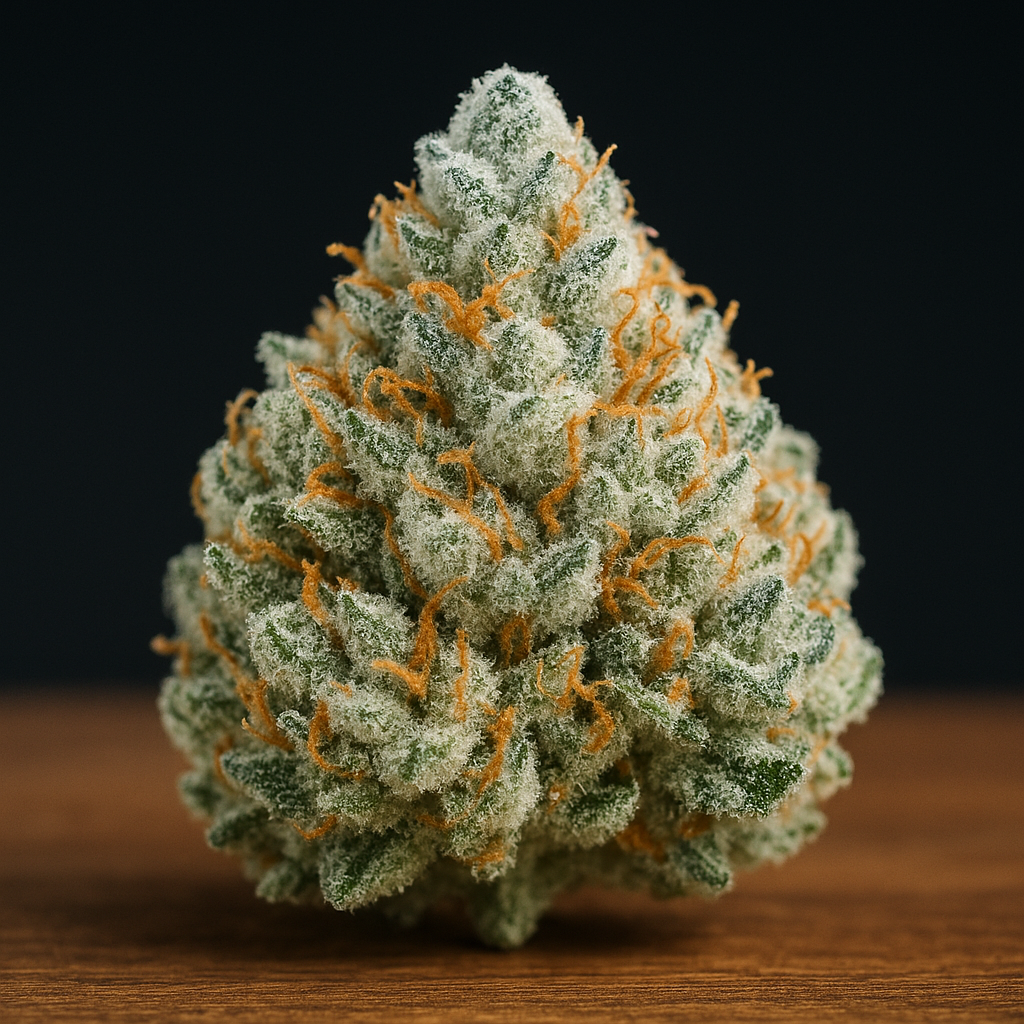
At a glance
| Entry | Charlotte’s Web |
|---|---|
| Type | Sativa |
| Reported effect categories | Focused |
| Commonly described aroma/flavor | earthy, pine, spicy |
| Original publication date | 2025-04-28 |
The Origins of Charlotte’s Web
The story of Charlotte’s Web is as inspiring as its name. It originated in Colorado, where the Stanley Brothers sought to create a strain that would help alleviate the severe symptoms of Dravet Syndrome—a rare and debilitating form of epilepsy primarily affecting children. The strain was named after Charlotte Figi, a young girl who struggled with this condition.
Charlotte’s family began using cannabis oil derived from this strain after exhausting all conventional medical treatments with little success. The results were nothing short of miraculous, dramatically reducing Charlotte’s seizures from hundreds a week to only a few. This success story sparked widespread interest in the medical cannabis community and beyond, transforming Charlotte’s Web from a local phenomenon into a globally recognized name.
Cannabinoid Profile
CBD
Other Cannabinoids
Terpene Profile
Terpenes are aromatic compounds found in cannabis and many other plants that contribute to the smell, flavor, and effects of different strains. For Charlotte’s Web, the primary terpenes include:
-
Myrcene: Known for its earthy aroma, myrcene is believed to have relaxing effects and may enhance the psychoactive effects of THC, although in Charlotte’s Web, it’s primarily associated with its calming properties.
-
Pinene: Characterized by its pine fragrance, pinene
Together, these terpenes create a unique aromatic profile and contribute to the strain’s calming, soothing effects.
The Growth and Cultivation of Charlotte’s Web
Charlotte’s Web is typically categorized as an indica-dominant hybrid, though its specific genetics often make it lean slightly towards the sativa side. It is a hardy strain that can be cultivated both indoors and outdoors, but particular attention is required to achieve optimal results.
Growing Conditions
-
Light: This strain thrives in environments that provide consistent light exposure, whether using high-quality grow lights indoors or ensuring plenty of sunlight outdoors.
-
Temperature and Humidity: Ideal growing conditions include temperatures between 70°F to 85°F (21°C to 29°C) and humidity levels around 40%-60%. Care should be taken to prevent mold, particularly in humid environments.
- Soil and Nutrients: Charlotte’s Web performs well in nutrient-rich, well-draining soil. Hydroponic systems can also be effective if carefully managed, allowing for faster growth and higher yields.
Flowering Time
Charlotte’s Web has a flowering time of approximately 8 to 10 weeks. Growers can expect a medium yield upon harvest, and with the right care, the buds produced are dense and covered with a rich layer of trichomes.
Pest Resistance
The strain is relatively resilient against pests and diseases, making it a popular choice for novice growers. However, regular monitoring is essential to prevent infestations, which could detract from crop quality and yield.
Potential Side Effects
While Charlotte’s Web is generally well-tolerated, it can still produce side effects, particularly in those who are sensitive to cannabinoids or new to cannabis. Commonly reported side effects include:
-
Fatigue: While it has relaxant qualities, some users may experience drowsiness, particularly if taken in larger doses.
-
Dry Mouth and Eyes: Like many cannabis strains, Charlotte’s Web may cause mild dry mouth and dry eyes, although these effects are typically less pronounced than in high-THC strains.
- Increased Anxiety: Though it is often used to alleviate anxiety, some individuals may experience heightened anxiety, particularly if they consume high doses without prior experience.
User Experience
Charlotte’s Web has gained a dedicated following among adult-use consumers. Here’s a closer look at user experiences as reported in various forums and reviews:
Recreational Users
While not typically considered a recreational strain due to its low THC content, some users appreciate Charlotte’s Web for its calming effects without the high. Many recreational users enjoy it in the evenings as a wind-down option, helping them to manage everyday stressors without feeling overwhelmed or incapacitated.
Profile Summary
Pros and Cons
Pros:
- Ease of Growth: Suitable for novice growers with a reasonable yield.
Cons:
- Lower THC Content: Not suitable for those seeking a strong psychoactive effect.
- Varied Effects: While many report positive experiences, individual effects can vary significantly.
Overall Profile
Charlotte’s Web stands out as a remarkable strain in the realm of medical cannabis, providing life-changing benefits for many users, especially those suffering from serious specific concerns like epilepsy. Its unique cannabinoid profile, coupled with a blend of beneficial terpenes, offers reported effects without the psychoactive drawbacks associated with high-THC strains.
Ultimately, Charlotte’s Web has established itself not just as a strain but as a symbol of the potential of cannabis to heal—a true powerhouse in the ever-growing landscape of cannabinoid research and applications.
Related strain profiles
Profile note: Cannabis sold under the same strain name can vary by breeder, phenotype, cultivation, storage and batch. Effects are subjective; use current product labeling or available lab information for the specific product, and do not drive while impaired.