
Unveiling the Tree of Life Strain: A Comprehensive Review
In the ever-expanding world of cannabis strains, each offers its unique combination of terpenes, cannabinoids, and effects tailored to need and preference. Among these, the Tree of Life strain has emerged, gaining attention for its well-rounded profile and promising therapeutic benefits. This review aims to dive deep into the characteristics, effects, and user experiences associated with the Tree of Life strain, leaving no stone unturned.
Origins and Genetics
The Tree of Life strain is a hybrid cannabis strain that blends the best qualities of both indica and sativa types. Specific lineage details may vary, but it is widely believed to be a cross between carefully selected parent strains that are renowned for their therapeutic and psychoactive effects. This hybrid nature appears to bring together contrasting qualities that appeal to both recreational and medicinal users alike, making it a noteworthy choice on the market.
Appearance
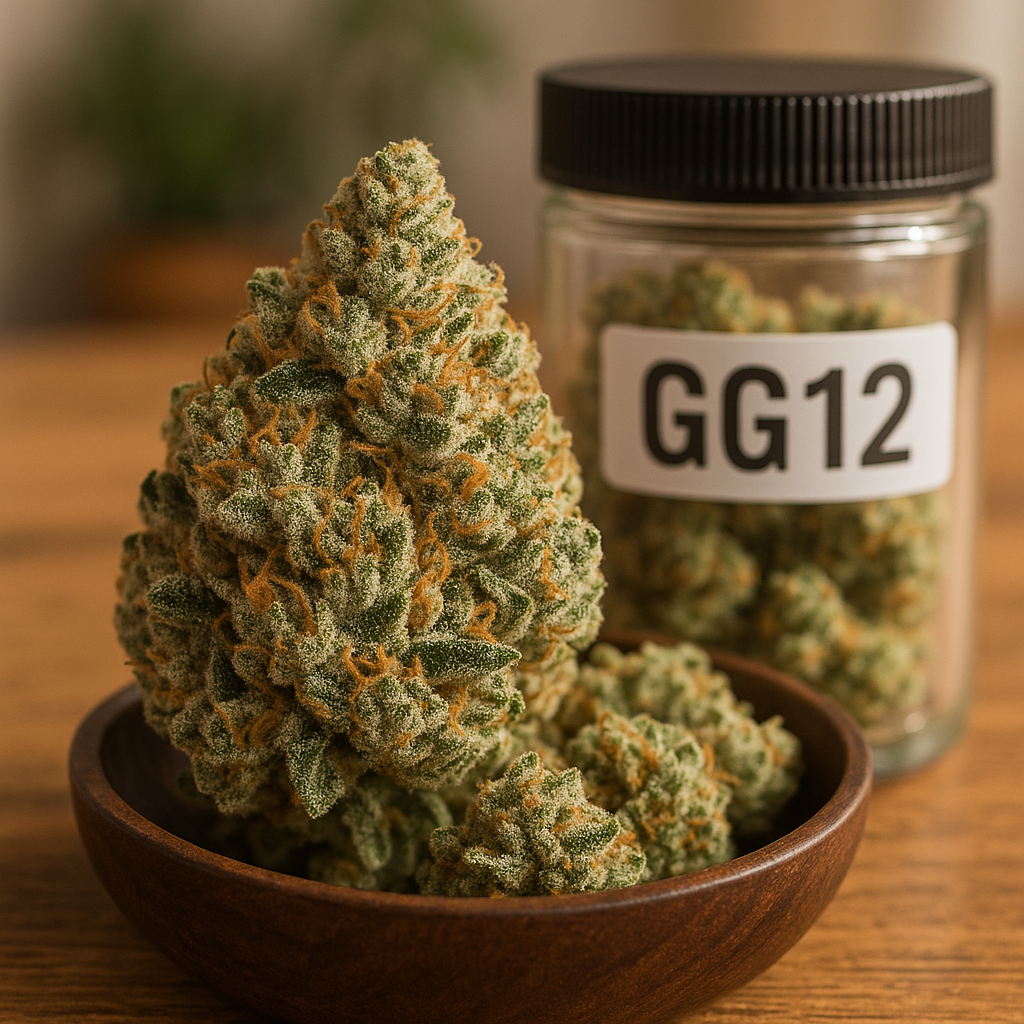
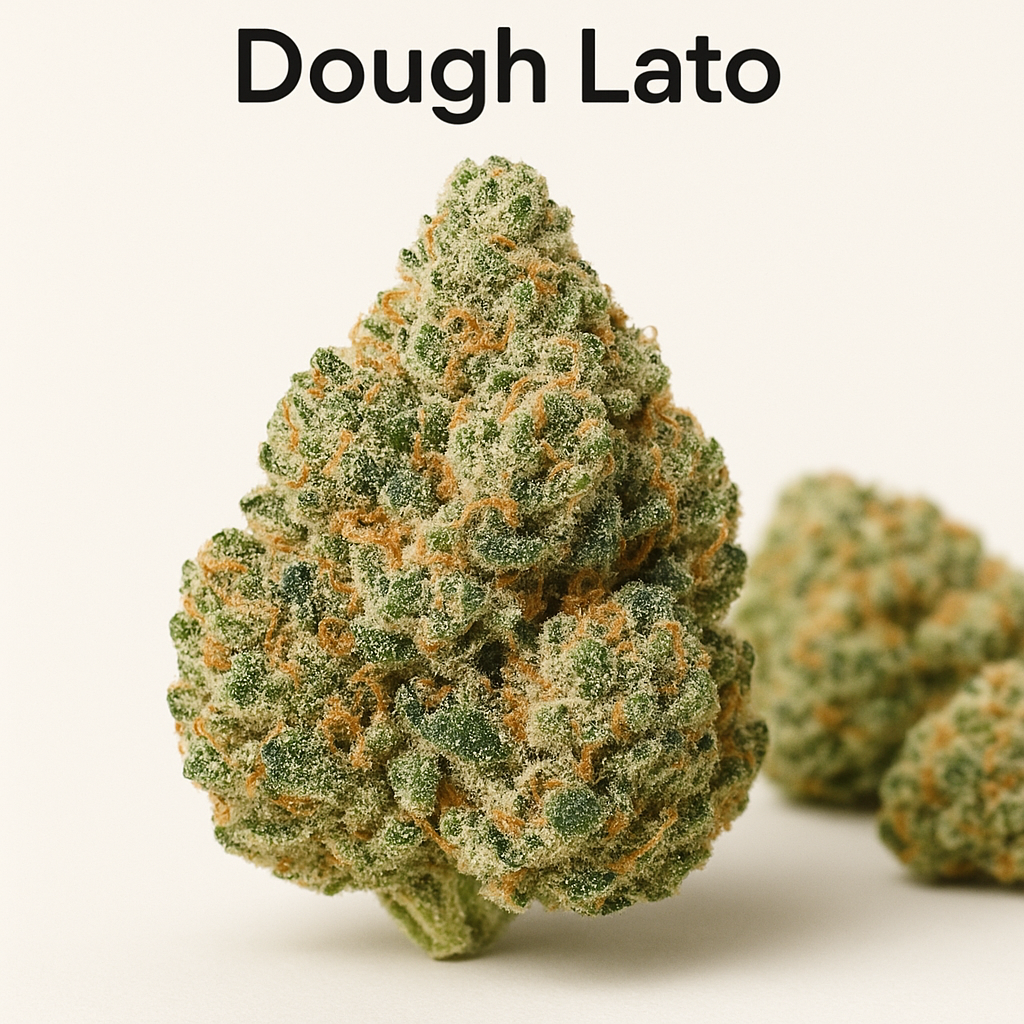
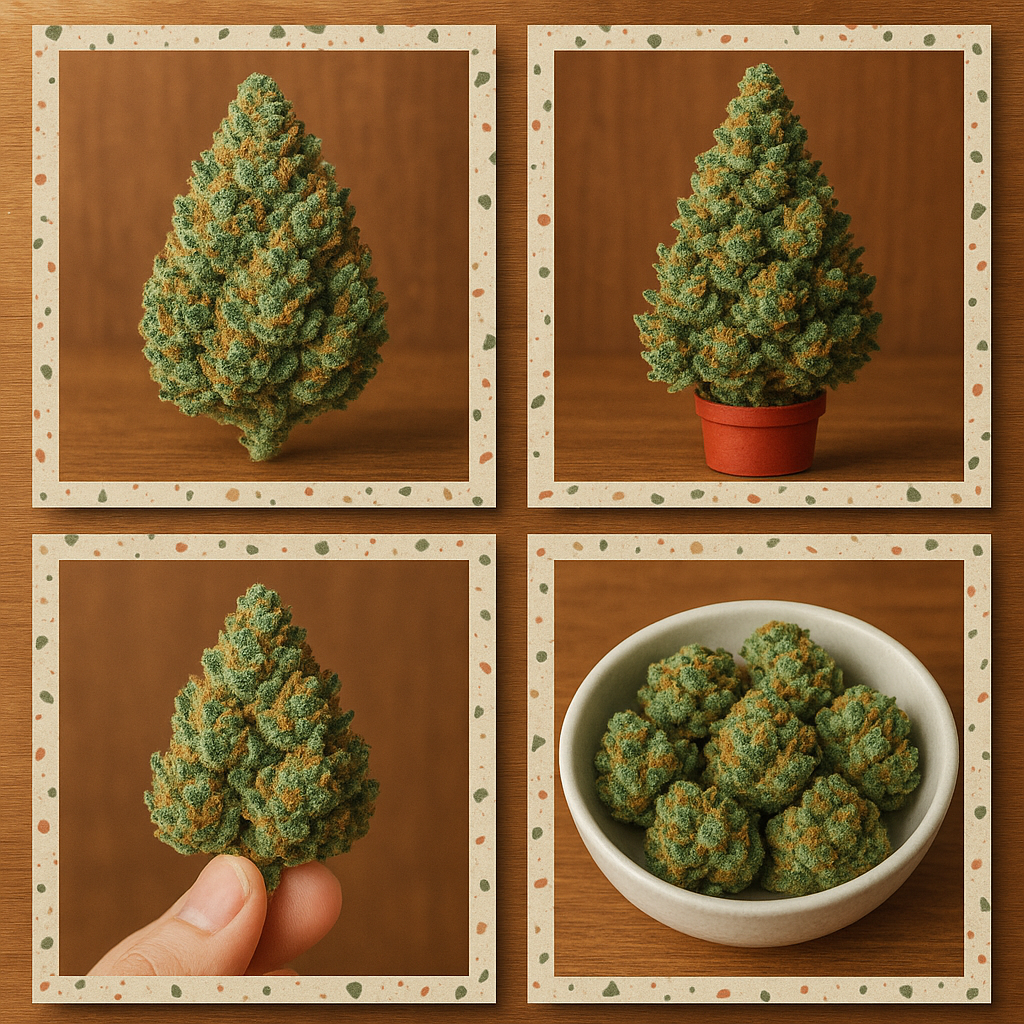
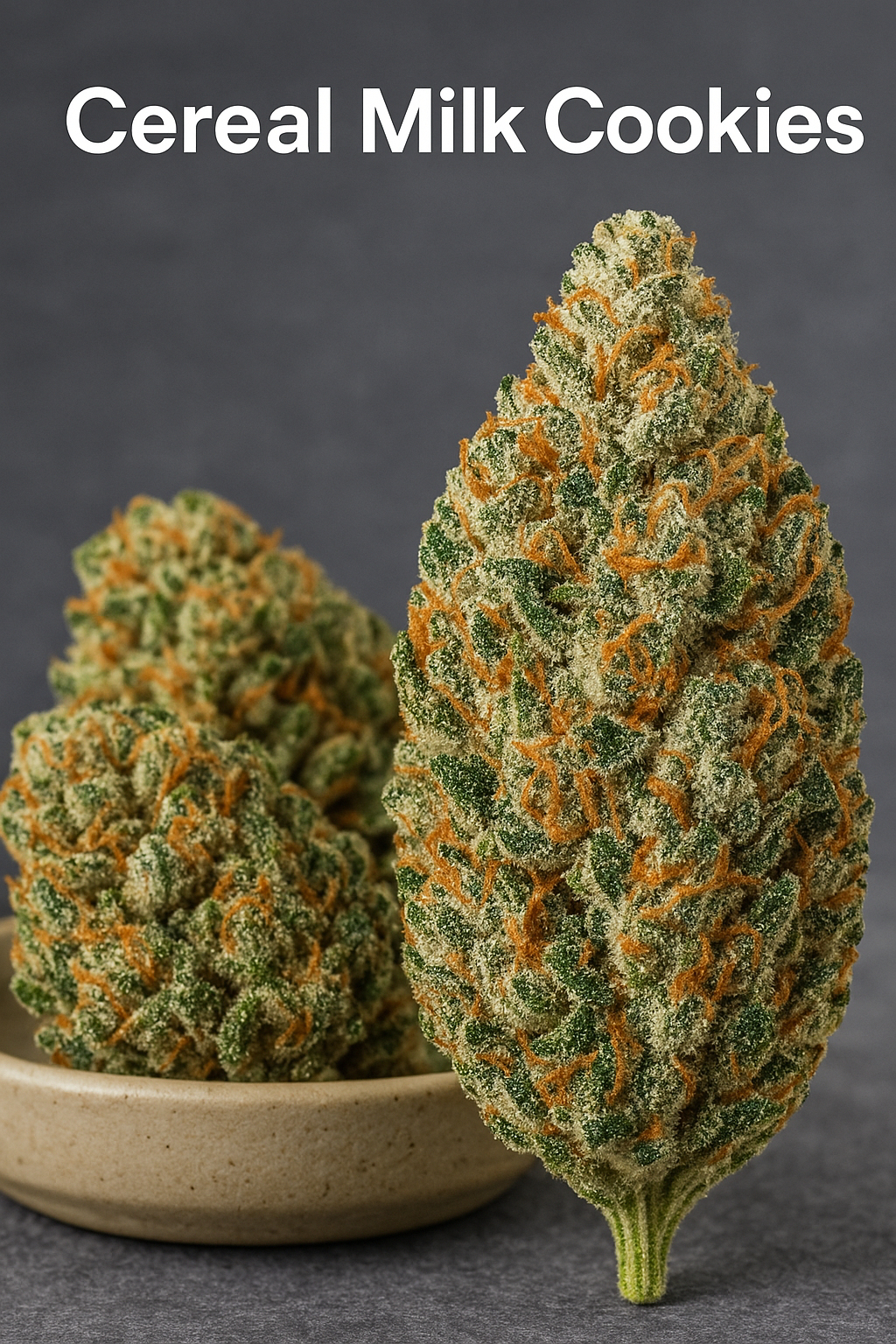
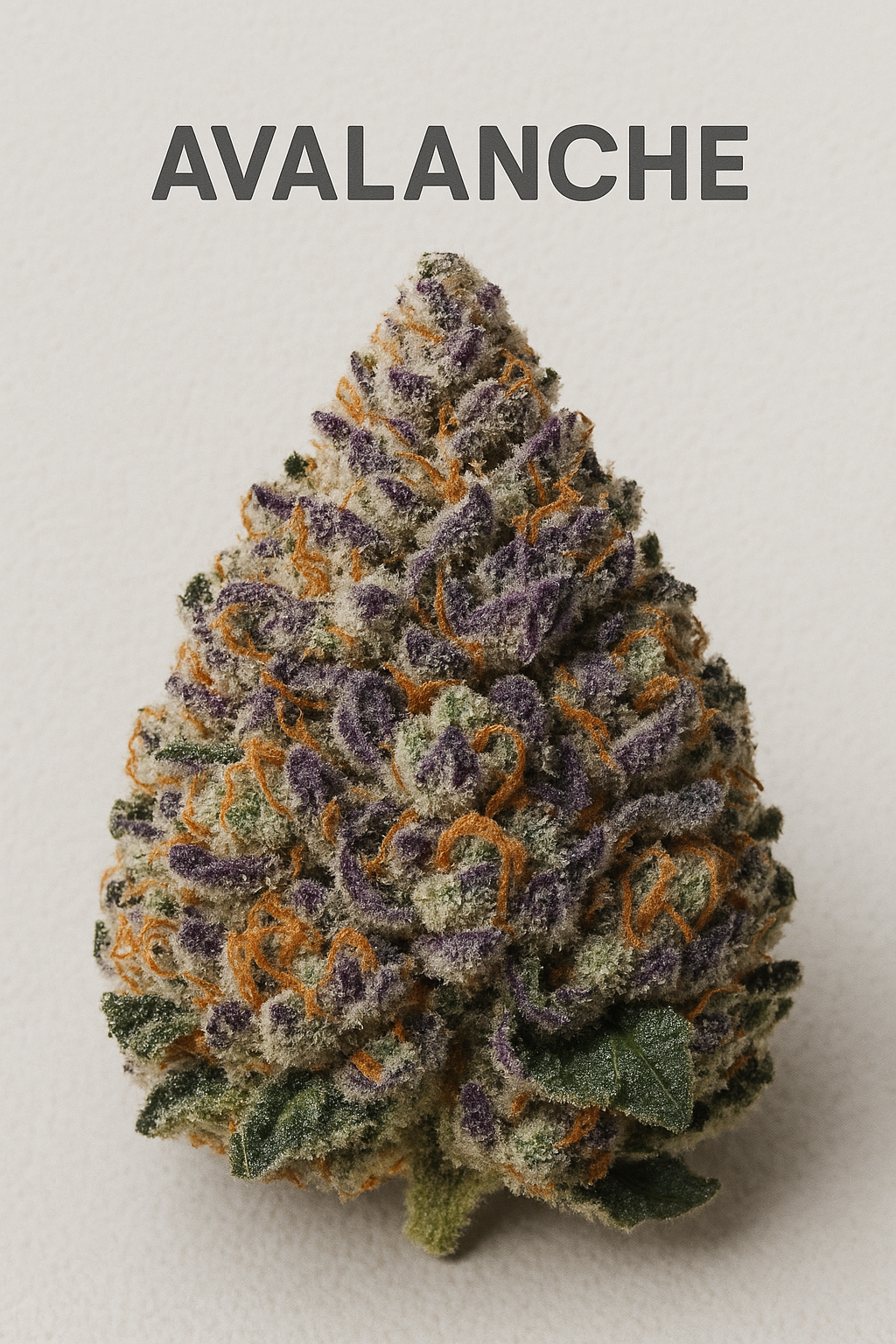
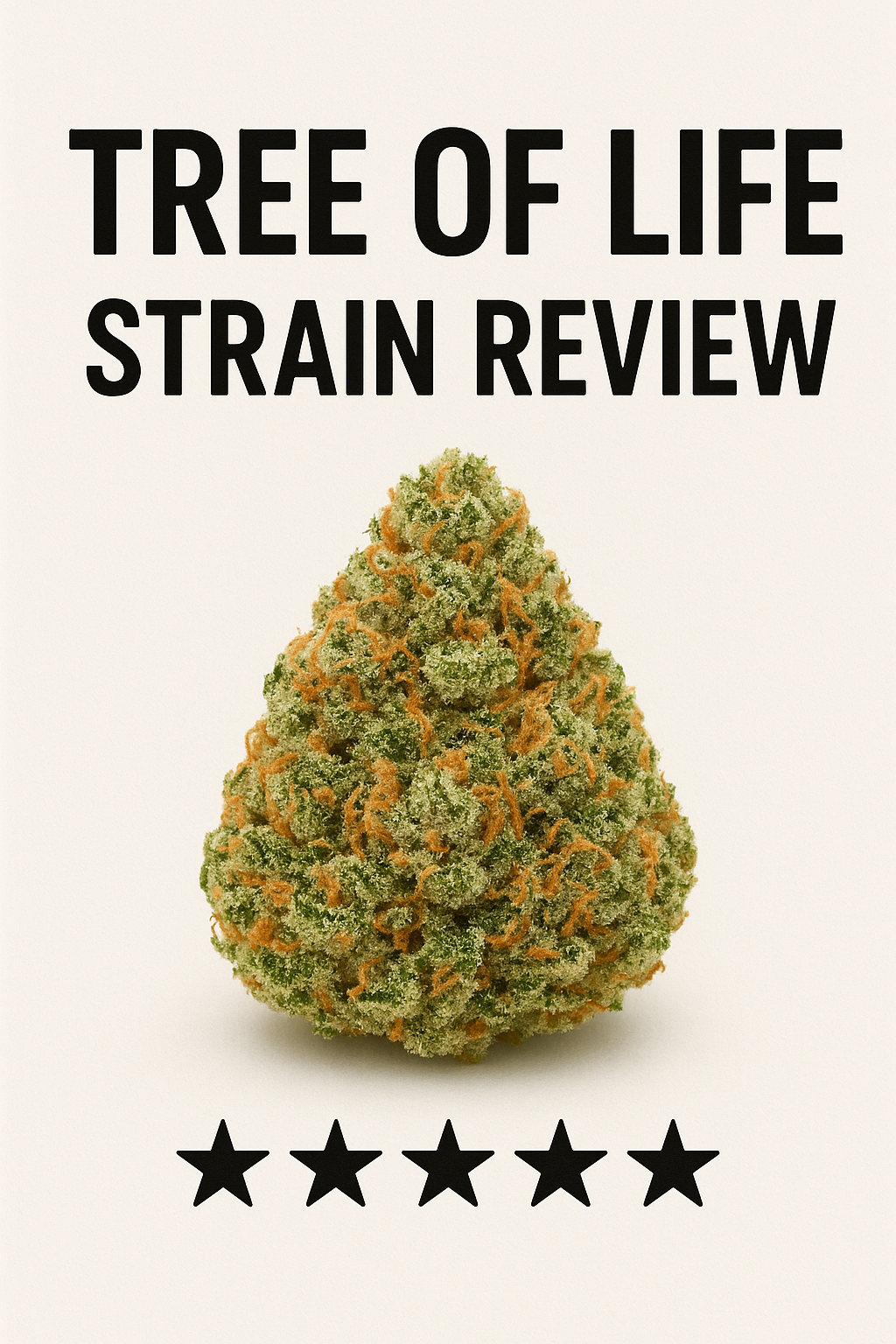
Visual aesthetics play a key role in assessing cannabis strains. The Tree of Life strain boasts dense buds that are generously coated with crystalline trichomes. The colors range from a vibrant green to shades of purple, with orange pistils that curl around the buds, creating an inviting contrast. This striking appearance not only makes the Tree of Life visually appealing but also suggests a high concentration of cannabinoids and terpenes.
Aroma and Flavor Profile
Upon opening a jar or package of Tree of Life, you’ll immediately notice a strong, complex aroma profile. The initial scent is earthy, with hints of sweetness and pine that may remind users of a tranquil forest scene. As users break open the buds, the aroma deepens, revealing subtle notes of citrus and spice.
The flavor profile follows suit, with the first puff yielding a smooth, earthy taste peppered with citrus undertones that linger on the palate. The smoke is flavorful yet not harsh, making it suitable for both seasoned users and those new to cannabis. This rich variety of flavors contributes to its overall appeal, enhancing the sensory experience during use.
Cannabinoid Content
Cannabinoids are the active compounds that influence how cannabis interacts with the body, primarily through the endocannabinoid system. The Tree of Life strain typically has a moderate to high THC content, often ranging from 18% to 24%. This THC level is balanced out by a beneficial presence of CBD, believed to range from 0.5% to 1.5%. The unique cannabinoid profile makes Tree of Life a favorite for users seeking relaxation without feeling entirely sedated. The sativa-dominant effects offer an invigorating high paired with the calming properties of indica.
Terpene Profile
The true charm of the Tree of Life strain lies in its diverse terpene profile. Terpenes are aromatic compounds found in many plants, including cannabis, and they contribute not only to flavor and smell but also to the therapeutic potential of the strain.
Some of the primary terpenes found in the Tree of Life strain include:
- Myrcene: Known for its sedative effects and earthy aroma, myrcene is a common terpene in indica strains that helps with relaxation and pain relief.
- Limonene: This citrusy terpene is well-regarded for its uplifting properties, often helping reduce stress and enhance mood.
- Caryophyllene: Known for its spicy aroma, caryophyllene may have anti-inflammatory effects and can interact with cannabinoid receptors, enhancing its therapeutic potential.
- Pinene: This terpene has a fresh pine aroma and is believed to have neuroprotective properties and promote alertness.
The combination of these terpenes creates a harmonious experience, enhancing the overall therapeutic effects of the strain.
Effects and User Experiences
The Tree of Life strain is often heralded for its balanced effects, making it an ideal choice for a variety of users. The onset is typically described as euphoric and uplifting due to its sativa dominance, often spurring creativity and enhancing focus. Users commonly report a sense of well-being, making it suitable for daytime use or social settings.
As the high develops, the indica elements begin to shine through, introducing a calming sensation that eases tension in both the mind and body. The transition between the euphoric and calming effects is smooth, allowing users to navigate their day-to-day activities without overwhelming sedation. This duality makes the Tree of Life strain effective for both recreational enjoyment and medicinal purposes.
Medicinal Uses
The medicinal properties of the Tree of Life strain have gained recognition among both patients and healthcare professionals as a versatile option. The following conditions have been noted to benefit from the use of this strain:
- Anxiety and Stress: The uplifting effects may help alleviate stress and anxiety, promoting relaxation without the loss of focus.
- Chronic Pain: The analgesic properties associated with the indica side make it effective for users suffering from chronic pain conditions.
- Depression: The mood-enhancing effects can be beneficial for those experiencing mild depression or low energy.
- Insomnia: Users have reported improved sleep quality and reduced insomnia symptoms due to its calming and sedative effects at higher doses.
Growing the Tree of Life Strain
For cultivation enthusiasts, growing the Tree of Life strain can be a rewarding experience. Its hybrid nature offers certain resilience, making it suitable for both indoor and outdoor growing environments. However, it is crucial to maintain specific conditions for optimal growth.
-
Climate: The Tree of Life strain thrives in moderate climates with consistent temperatures and humidity levels. Ideally, daytime temperatures should be between 70°F and 85°F, while nighttime temperatures should hover around 65°F to 75°F.
-
Soil: High-quality soil enriched with organic nutrients can significantly enhance growth and cannabinoid production. Regular monitoring of pH levels (ideally between 6.0 and 6.8) is essential for nutrient absorption.
-
Light: Adequate light is critical during the vegetative and flowering stages. Whether grown indoors under LED grow lights or outdoors in direct sunlight, ensuring sufficient light will contribute to a robust yield.
-
Flowering Time: The typical flowering time for the Tree of Life strain is around 8 to 10 weeks, yielding moderate to high production (approximately 400 to 600 grams per square meter indoors and higher outdoors under optimal conditions).
- Pest Management: Regular monitoring for pests and diseases is vital to avoid infestations. Organic pest control methods are encouraged to preserve the strain’s quality.
Pros and Cons
As with any cannabis strain, the Tree of Life has its advantages and disadvantages. Below is a summary:
Pros
- Balanced Effects: Combines uplifting sativa effects with calming indica properties.
- Therapeutic Potential: Effective for anxiety, depression, chronic pain, and insomnia.
- Visually Appealing: Striking appearance with a potent cannabinoid profile.
- Flavorful Profile: A complex aroma and flavor enhance user experience.
- Cultivator-Friendly: Adaptable to various growing conditions.
Cons
- Variable Availability: Depending on location and market, it may be challenging to find consistently.
- Mild CBD Content: While therapeutic for many, some users may require higher CBD strains for specific conditions.
- Dependent on Individual Tolerance: Effects can vary significantly depending on the user’s tolerance level.
Review Roundup
In summarizing the Tree of Life strain, it is evident that this hybrid is a standout option for both recreational and medicinal users. Its balanced effects, aromatic profile, and therapeutic potential make it appealing for various occasions, from social gatherings to at-home relaxation sessions.
Pros:
- Balanced euphoric and calming effects
- Effective for multiple medicinal conditions
- Rich and complex flavor profile
- Visually striking buds
Cons:
- Availability might fluctuate based on market demand
- May need to be paired with higher CBD strains for optimal therapeutic results
Overall, the Tree of Life strain stands as a testament to the benefits and pleasures cannabis can provide. As the cannabis community continues to grow, strains like Tree of Life remind us of the plant’s natural capacity to enhance our lives in numerous ways. Whether you’re an experienced user or exploring cannabis for the first time, the Tree of Life strain is worth considering.