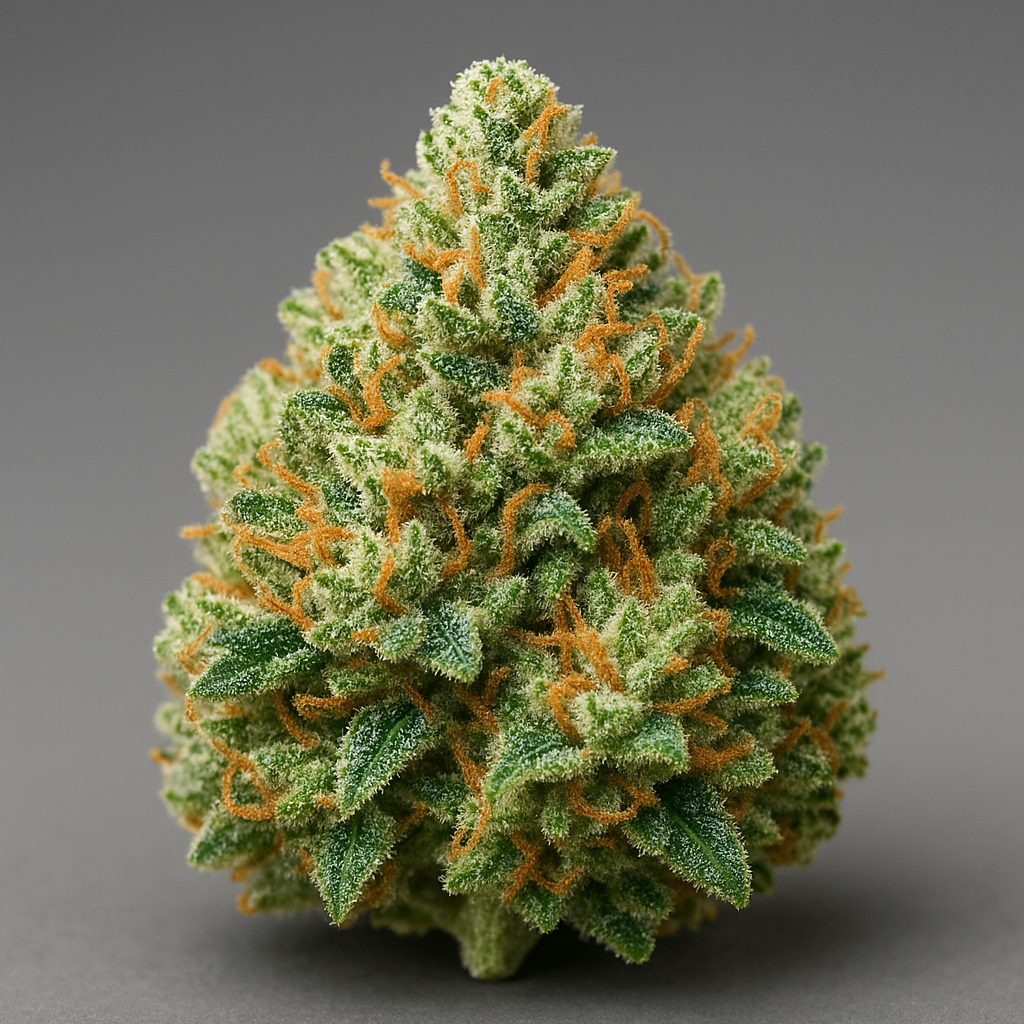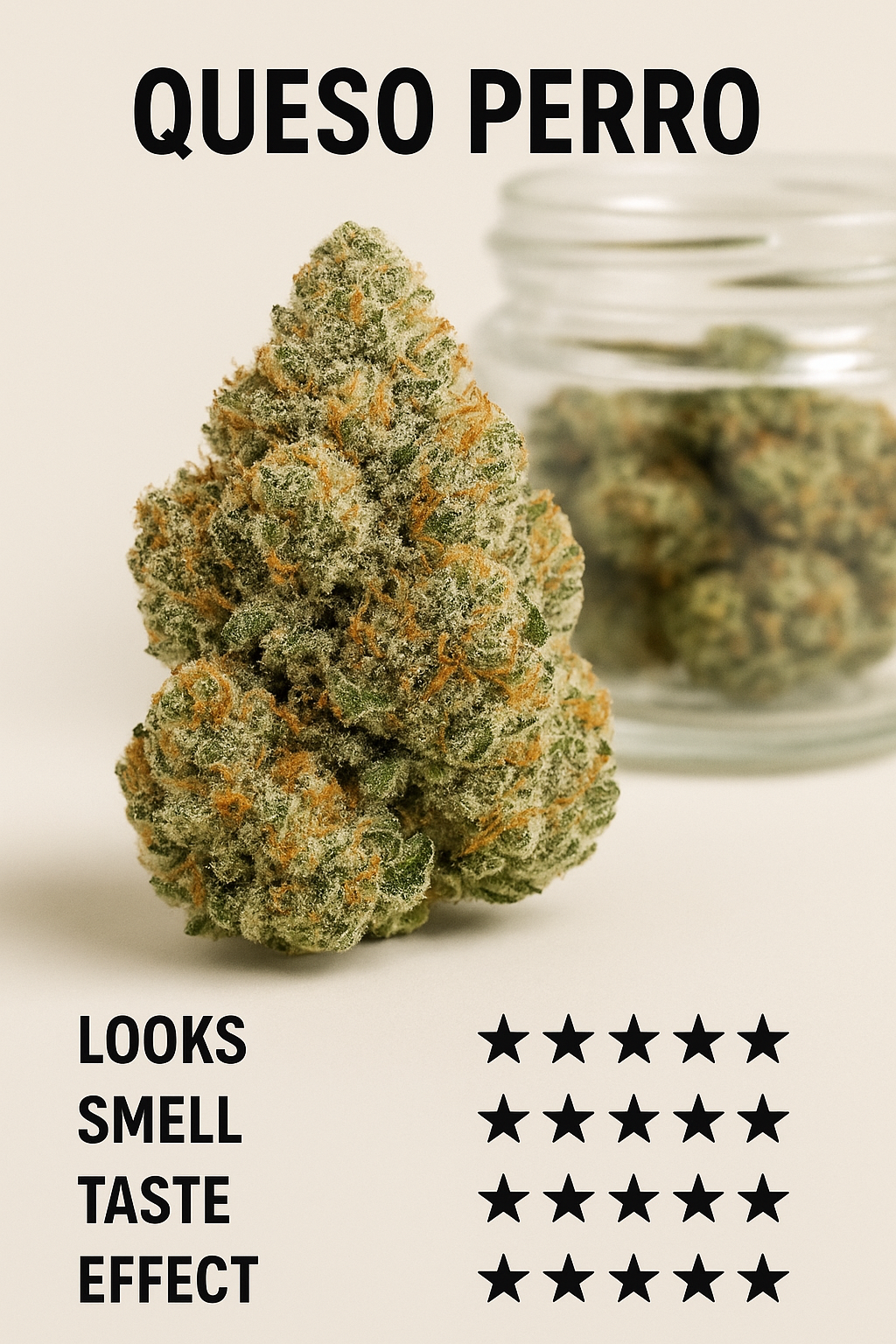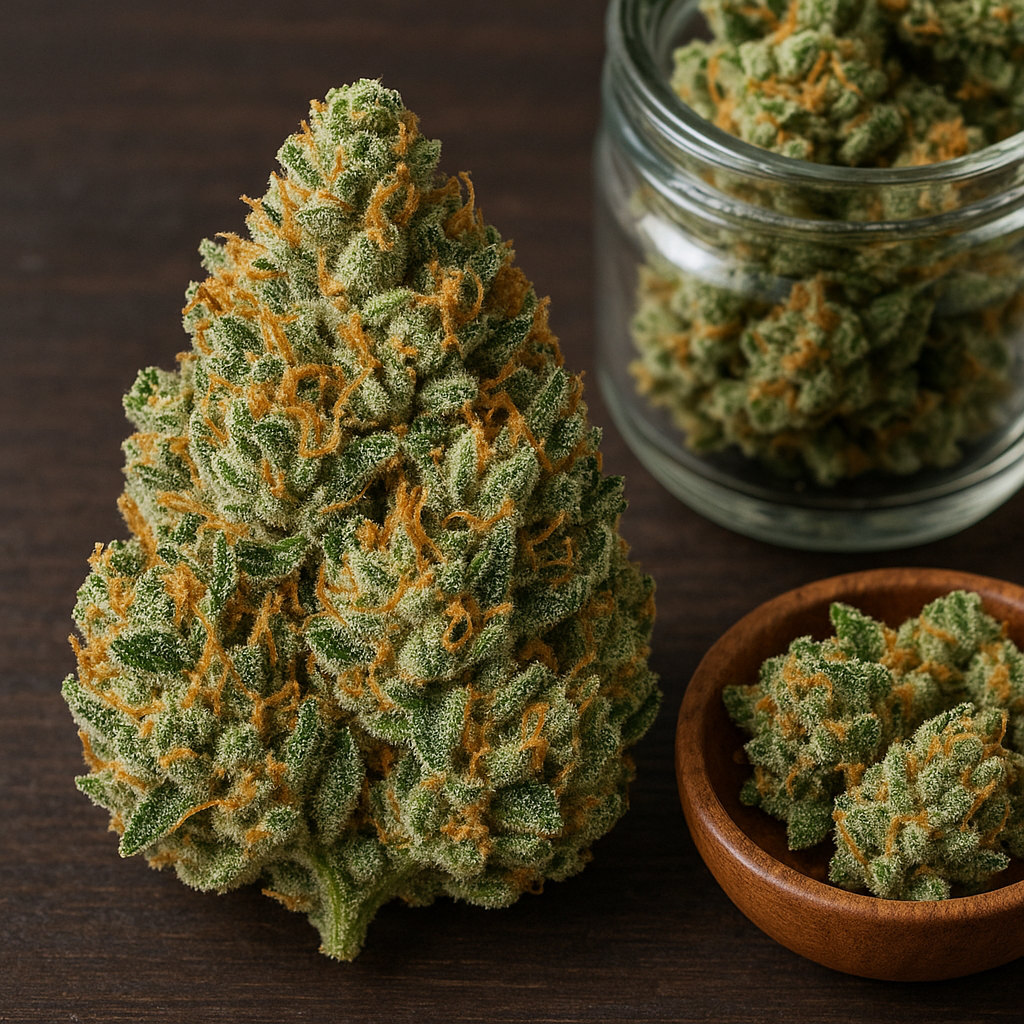

In today’s ever-evolving cannabis market, strains are becoming more sophisticated, intriguing, and increasingly tailored to specific consumer preferences. Among these, the Valley Ghash strain stands out, boasting not only a powerful potency but also a complex flavor profile that speaks to both seasoned connoisseurs and casual users alike. In this comprehensive review, we explore the genetic makeup, effects, flavor profile, cultivation tips, and user experiences related to Valley Ghash.
Genetics and Background
Valley Ghash is an indica-dominant hybrid strain, a crossbreed of classic strains that are well-loved within the cannabis community. The lineage typically involves a blend of Afghan genetics and hash plant varieties, resulting in a robust, resinous flower that captures the rich tradition of hash-making. While exact lineage can vary among cultivators, most Valley Ghash strains are known for their high resin production and potent effects.
The strain is widely recognized for its strong THC levels, often exceeding 20% and occasionally reaching up to 28%, making it suitable for experienced users seeking a potent experience. The presence of cannabinoids such as CBD and CBG also contributes to the overall therapeutic profile, addressing a range of symptoms without overwhelming users.
Potent Effects
Valley Ghash isn’t just known for its impressive THC content; its effects are multifaceted, providing a spectrum of experiences that cater to different needs and preferences.
Initial Euphoria
Onset typically begins with a euphoric rush, eliciting feelings of happiness and mental clarity. Users often report enhanced creativity and a sense of euphoria, making it an excellent choice for social gatherings or artistic endeavors. This initial high can last around 30-45 minutes before transitioning into a more intoxicating state.
Physical Relaxation
After the euphoric phase, the effects shift towards deep relaxation. Valley Ghash has a reputation for being particularly beneficial in alleviating physical tension and discomfort. Users may experience a soothing sensation throughout the body, making it an ideal choice for those dealing with stress, muscle pain, or any physical discomfort.
Sedation and Couch-Lock
As the experience progresses, many users find themselves in a state of "couch-lock," where they feel heavily relaxed yet mentally engaged. This is especially appealing during late evenings or when winding down after a long day. For those prone to insomnia or anxiety, Valley Ghash can also serve as a natural sleep aid, promoting restful and uninterrupted sleep.
Medical Applications
The combination of mental and physical effects make Valley Ghash a versatile strain for medical consumers. It is frequently used to alleviate symptoms associated with:
- Chronic Pain: The strain’s analgesic properties are particularly effective for those suffering from chronic pain conditions.
- Insomnia: Many users report improved sleep quality, making it a go-to strain for combating sleep disorders.
- Anxiety and Stress Relief: Its calming effects can significantly reduce anxiety levels, allowing for a more relaxed mental state.
- Appetite Stimulation: As is common with many THC-rich strains, Valley Ghash can increase appetite, making it useful for patients undergoing treatments that negatively affect their appetite.
Flavor Profile
One of the most compelling aspects of Valley Ghash is its rich and complex flavor profile. Upon the first inhale, users will likely encounter a mixture of earthy and sweet flavors, often likened to classic hash.
Aroma
Before even lighting up, the aroma of Valley Ghash can fill the room with a pungent, earthy scent that carries notes of pine, sandalwood, and a touch of sweetness. Upon breaking apart the dense buds, expect a burst of fragrances that hint at its hash-infused lineage. The combination of these scents contributes to the strain’s reputation; even those with a refined palate will appreciate its depth.
Flavor
The flavor when smoked often closely mirrors the aroma, creating a full-bodied experience. Smokers may notice:
- Earthy Undertones: A strong foundation of earthiness is present, typical of indica-dominant strains.
- Sweet Notes: As the smoke lingers, a subtle sweetness often emerges, making it a pleasurable experience for those who appreciate contrasting flavors.
- Hashy Finish: The aftertaste tends to carry a hash-like quality, echoing its genetic lineage and leaving a rich, lingering flavor.
This duality of flavors—earthy yet sweet—makes Valley Ghash appealing to a broad spectrum of consumers.
Cultivation Insights
For those interested in cultivating Valley Ghash, there are several important factors to keep in mind.
Growth Conditions
Valley Ghash is relatively easy to cultivate, making it suitable for both novice and experienced growers. It can be grown both indoors and outdoors, offering flexibility depending on the grower’s resources and preferences.
-
Indoor Growing: When grown indoors, ensure optimal light levels (400 to 600 watts is ideal) and a stable environment. Temperature should ideally be maintained between 70-85°F during the day and can slightly drop at night. Humidity levels should be kept around 50-60% during vegetative growth, but can be reduced during flowering.
- Outdoor Growing: In outdoor settings, Valley Ghash flourishes in temperate climates with ample sunlight. It typically thrives in well-draining soil rich in nutrients. Ideal planting times will be dependent on the local climate, but it generally seeks a growing season that avoids late-season rain to minimize mold risk.
Flowering Time
The flowering time for Valley Ghash is about 8 to 10 weeks. Growers should keep an eye on trichome development to determine the perfect harvest time, aiming for a balance between cloudy and clear trichomes to maximize both potency and flavor.
Yield Expectations
When properly cared for, Valley Ghash can deliver generous yields, often ranging from 400-600 grams per square meter when grown indoors. Outdoor cultivation can offer even higher yields, depending on environmental factors and care quality.
User Experiences: In Their Own Words
To provide a balanced review, user experiences have been gathered from various platforms and forums, revealing a wide array of opinions:
Positive Feedback
- Relaxation: Many users reported a profound sense of relaxation that helped them unwind after stressful days.
- Versatility: The balanced effects of euphoria followed by physical relaxation make it versatile for varied use cases, from casual use at gatherings to medicinal applications for chronic pain.
Constructive Criticism
- Potency Levels: Some users with lower tolerance levels found the potency overpowering at times, leading to anxiety rather than relief.
- Coughing: Certain consumers reported that the smoke was harsher on the lungs, leading to bouts of coughing, particularly for those sensitive to thicker smoke.
Review Roundup
After diving into the outstanding qualities of Valley Ghash, it comes time to summarize the key points:
-
Genetics: The indica-dominant hybrid lineage, often involving Afghan and hash plant strains, leads to a flavorful and potent flower.
-
Potency: THC levels often exceed 20%, making it a solid option for experienced users.
-
Effects: Initial euphoric feelings transition to physical relaxation and sedation, making it suitable for social settings and nighttime use.
-
Medical Benefits: Alleviates chronic pain, anxiety, insomnia, and stimulates appetite, demonstrating a wide range of medicinal value.
-
Flavor Profile: Rich, earthy flavors with sweet notes and a hash-like finish offer a unique smoking experience.
- Cultivation: Relatively easy to grow, with healthy yields and a flowering time of around 8 to 10 weeks.
In conclusion, Valley Ghash is a standout strain that deserves a place in the collections of both recreational and medicinal cannabis users. Its dynamic effects, profound relaxation potential, and rich flavors ensure it will continue to be well-regarded in the cannabis community. Whether you’re a seasoned connoisseur or a newcomer to the world of cannabis, Valley Ghash may just have something for everyone.