At a glance
| Entry | Dr. Grinspoon |
|---|---|
| Type | Sativa |
| Reported effect categories | Energetic |
| Commonly described aroma/flavor | citrus, sweet, creamy |
| Original publication date | 2026-05-26 |
Origin and Genetics
Dr. Grinspoon is a sativa-dominant strain renowned for its unique lineage. It is believed to be a combination of rich landrace sativa varieties, likely from regions such as Colombia or Thailand. The strain was developed by the well-known cannabis producer, Barney’s Farm, who sought to create a strain that would honor Dr. Grinspoon’s contributions to the cannabis community.
Pheno-Hunt
The unique genetic makeup of Dr. Grinspoon is a result of careful cultivation and selective breeding. It features a single dominant phenotype that showcases its rare genetic traits. Growers often speak of the stability of the strain, which allows for predictable outcomes. The plants are usually tall, reaching heights of 4-6 feet, and exhibit thin leaves — a hallmark of its sativa heritage.
Visual and Aroma Profile
Appearance
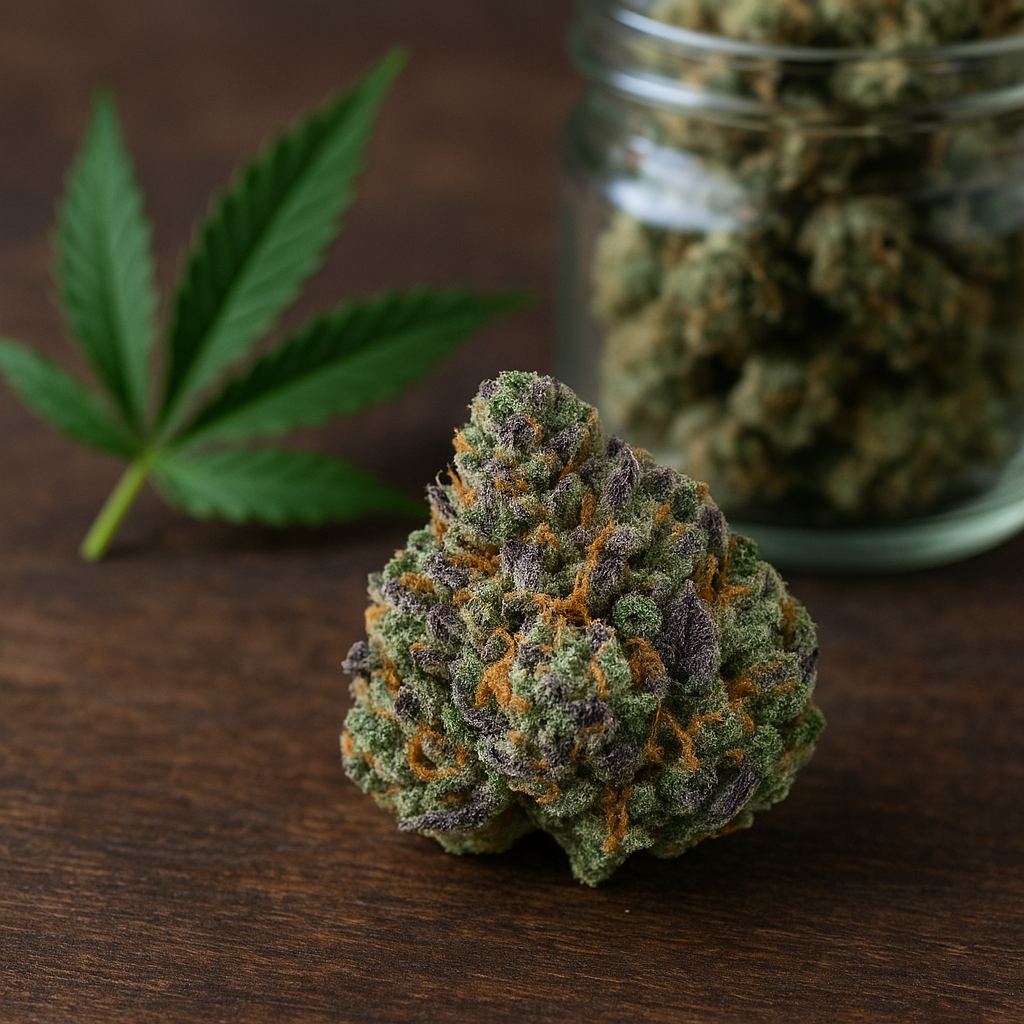
When it comes to appearance, the Dr. Grinspoon strain is captivating. The buds are small, densely packed, and almost spade-shaped. The bright green color is often sprinkled with orange hairs (stigmas), which contrast beautifully against the shimmering trichomes — tiny crystal-like structures that signify potency. The buds might not look hefty at first glance, but their density can surprise newcomers.
Aroma
The aromatic profile is complex and intriguing. Upon opening a container of Dr. Grinspoon, one is greeted with a robust scent that combines earthy, herbal, and slightly sweet notes. Some users also report hints of citrus and pine, contributing to a multi-layered sensory experience. The unique aroma is often more intensified when the buds are broken apart. The terpene profile primarily reflects myrcene, limonene, and pinene, contributing to both its scent and reported effects.
Flavor
The flavor of Dr. Grinspoon mirrors its aroma with a rich, earthy aftertaste that can be creamy when smoked. Many users find it smooth on the hit, making it a pleasant choice for smokers who might be sensitive to harsher strains.
Effects and Benefits
One of the most compelling aspects of the Dr. Grinspoon strain lies in its diverse effects and potential reported characteristics.
Psychoactive Effects
After consumption, users typically report a euphoric, uplifting high associated with the sativa dominance of the strain. It is characterized by:
-
Uplifting Mood: Users frequently describe a positive shift in mood, leading to increased sociability and creativity.
-
Clear-headed Focus: Many find that Dr. Grinspoon provides mental clarity suitable for engaging in creative endeavors or productive tasks.
- Energetic Spurt: The strain is known to provide an energizing effect that can lead to increased physical activity or spontaneous outdoor adventures.
Side Effects
While Dr. Grinspoon offers many benefits, it is also important to consider potential side effects. Users might experience:
-
Dry Mouth: A common side effect across many cannabis strains, it can be remedied by staying hydrated and having water nearby.
-
Dry Eyes: Similar to dry mouth, this can be a minor irritation and usually subsides shortly after use.
- Paranoia or Anxiety: In rare cases, particularly for novice users or those sensitive to THC, the strain may induce feelings of paranoia or heightened anxiety.
Growing Dr. Grinspoon
For cultivators, Dr. Grinspoon presents an interesting challenge and rewarding experience. It has distinct preferences that need to be catered to for optimal growth.
Growing Conditions
-
Light Requirements: This strain thrives in bright light conditions. It requires a strong light source, making it more suited for indoor growing, although outdoor growing is possible in warm, sunny climates.
-
Temperature & Humidity: Ideally, the temperature should be kept between 65°F to 80°F (18°C to 27°C). Humidity levels should be controlled to prevent mold, particularly during flowering.
- Nutrient Needs: Dr. Grinspoon isn’t particularly picky about nutrients but does best when provided with balanced nutrient solutions, especially during its vegetative stage.
Flowering Time
The flowering time for Dr. Grinspoon can fluctuate but typically ranges from 9 to 12 weeks. The longer blooming period can be compensated for the substantial yield and the high potency of the final product.
Yield
In terms of yield, this strain can produce an average of 400-550 grams per meter square indoors, while outdoor plants may yield 600 grams or more under optimal conditions. The overall yield is substantial, thanks to the density of the buds.
User Experiences
To get a well-rounded view of the Dr. Grinspoon strain, it’s vital to consider anecdotal experiences from users. Various reviews and forums reveal common themes surrounding this strain.
Recreational Users
Many recreational users rave about Dr. Grinspoon for its unique high and enjoyable taste. Comments often highlight the creative surge it introduces — perfect for artists, musicians, and writers. Users enjoy social activities more under its influence and often describe it as a ‘daytime strain’ that allows for productivity without shutting down the mind.
Negatives
While the majority of feedback tends to be positive, some users have reported challenges. The height of the plants poses a difficulty for those with limited space, particularly when grown indoors. Additionally, some have reported that its long flowering period can be frustrating for impatient growers.
Profile Summary
Pros:
- Uplifting, euphoric effects
- Clear-headed and focused
- Attractive plant and unique bud structure
Cons:
- Long flowering time
- Can require more space due to height
- Potential for side effects like dry mouth and anxiety
In conclusion, whether you’re a seasoned cannabis enthusiast or a newcomer looking for strain guidance, Dr. Grinspoon stands out as a remarkable choice worth considering. It offers a journey into the fascinating world of cannabis, bridging education, enjoyment, and reported value.
Related strain profiles
Profile note: Cannabis sold under the same strain name can vary by breeder, phenotype, cultivation, storage and batch. Effects are subjective; use current product labeling or available lab information for the specific product, and do not drive while impaired.