At a glance
| Entry | West Coast Dawg |
|---|---|
| Type | Indica |
| Reported effect categories | Talkative |
| Commonly described aroma/flavor | citrus, earthy, spicy |
| Original publication date | 2025-04-24 |
Introduction
The cannabis community has seen an explosion of new strains in the past couple of decades, with each strain presenting its unique flavor profiles, effects, and cultivation characteristics. One such strain that has garnered attention for its robust profile and distinguished lineage is the West Coast Dawg. This review will explore the multiple dimensions of the West Coast Dawg, from its genetics and physical characteristics to its flavor profile, effects, reported effects, and cultivation tips.
Genetics and Lineage
West Coast Dawg is a hybrid strain that results from the cross between the well-known strains Chemdawg and Northern Lights.
- Chemdawg is renowned for its powerful effects and pungent aroma. It is considered one of the parents of many popular hybrid strains, including Sour Diesel and OG Kush. This contributes to a complex flavor and potent effects.
- Northern Lights, a classic indica strain, is known for its serene and relaxing qualities. It often brings a sweet, earthy flavor that complements Chemdawg’s funkiness.
The hybridization of these two iconic strains results in a well-balanced experience that appeals to a broad range of cannabis consumers. The West Coast Dawg carries forward the best traits of its parent strains, making it a popular choice among adult-use consumers.
Genetic Composition:
- Chemdawg: 50%
- Northern Lights: 50%
Physical Characteristics
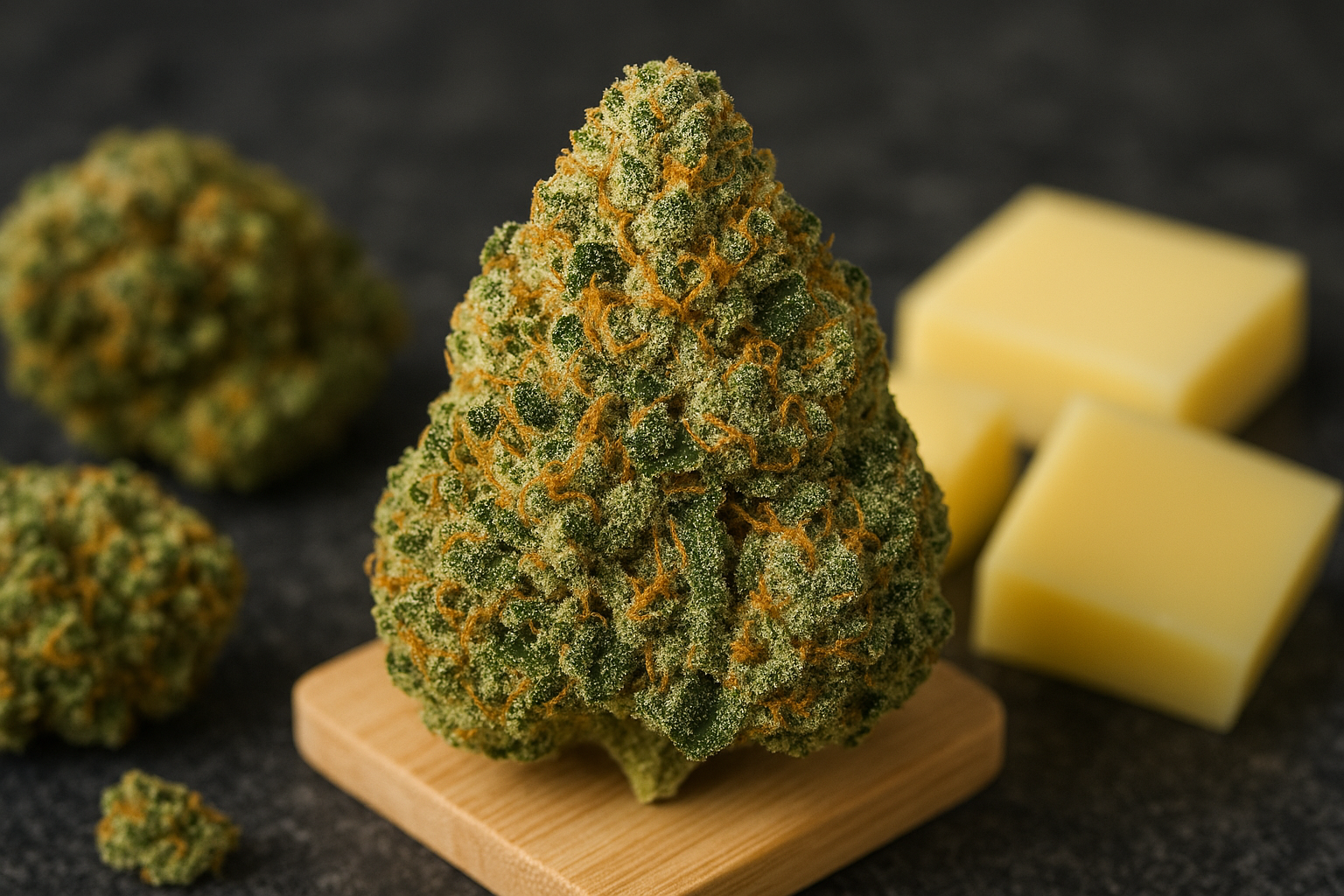
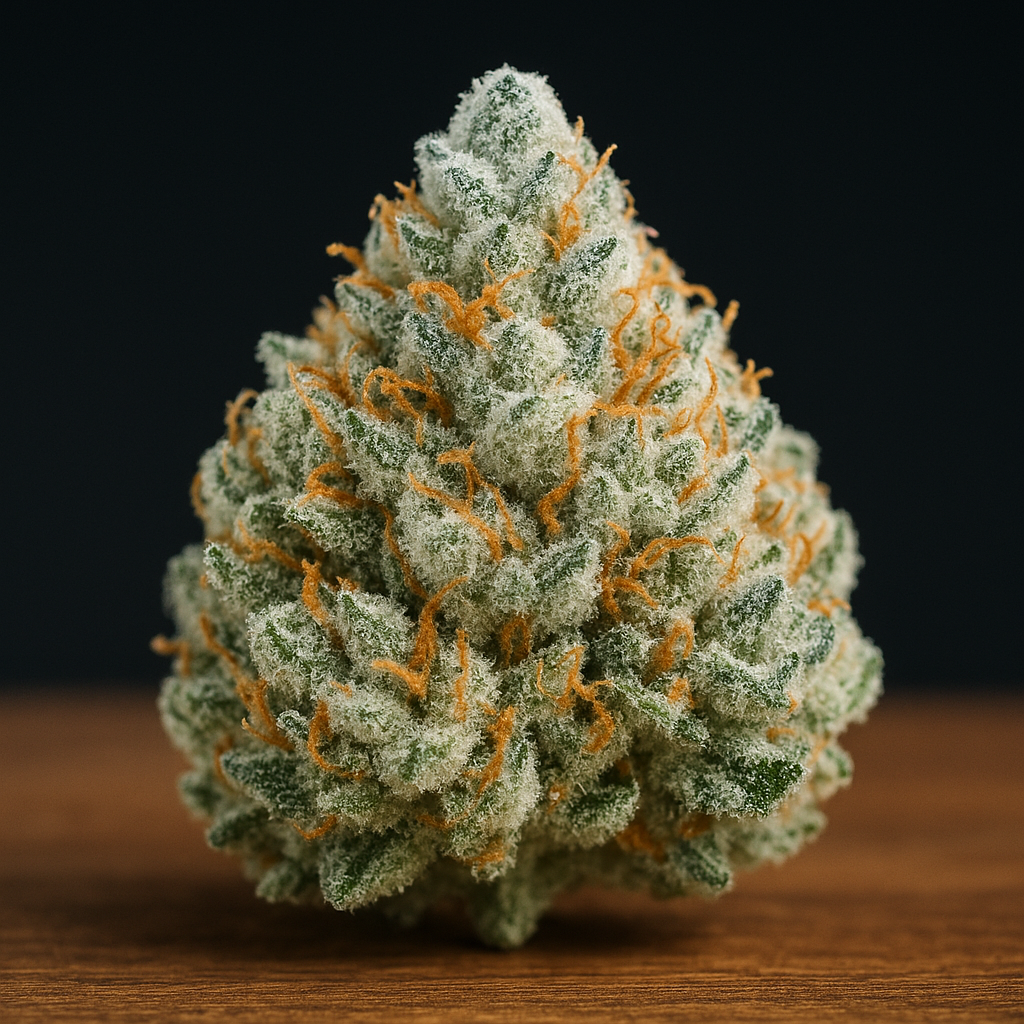
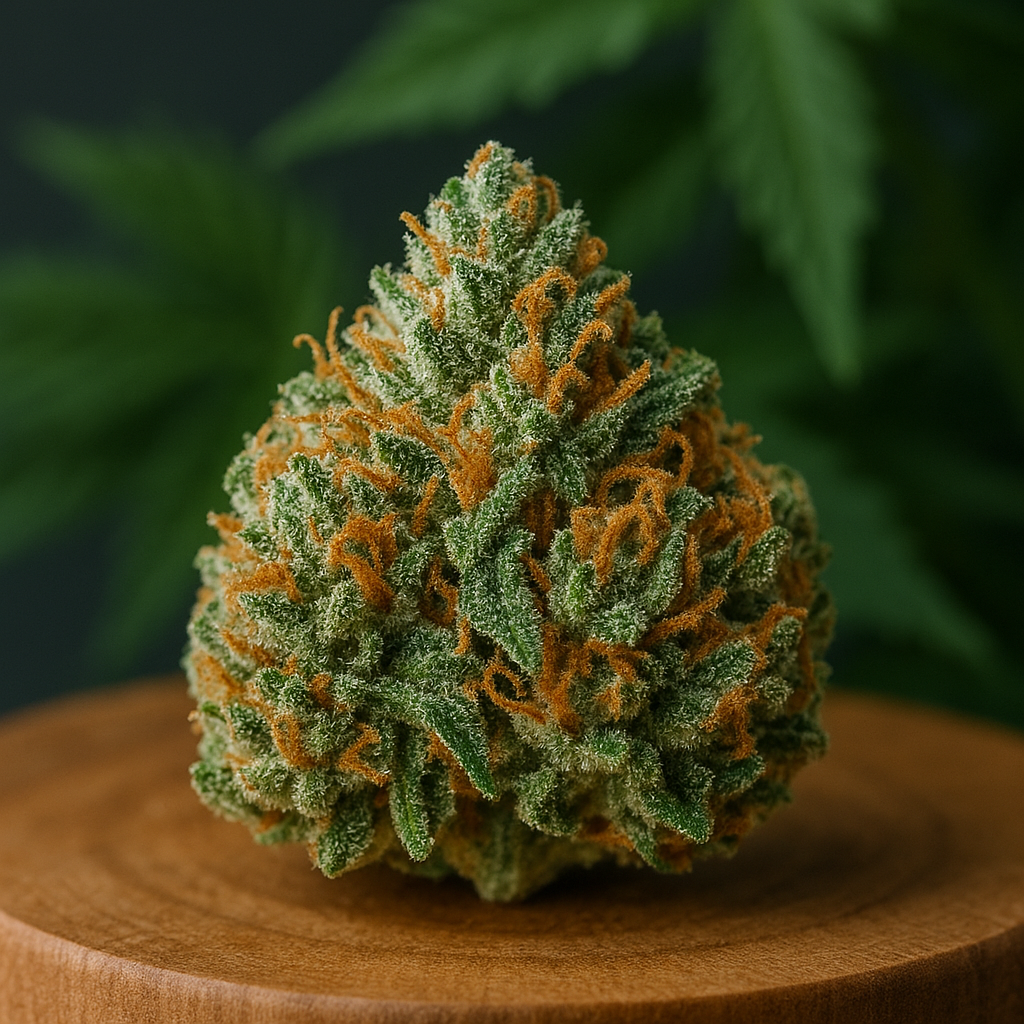
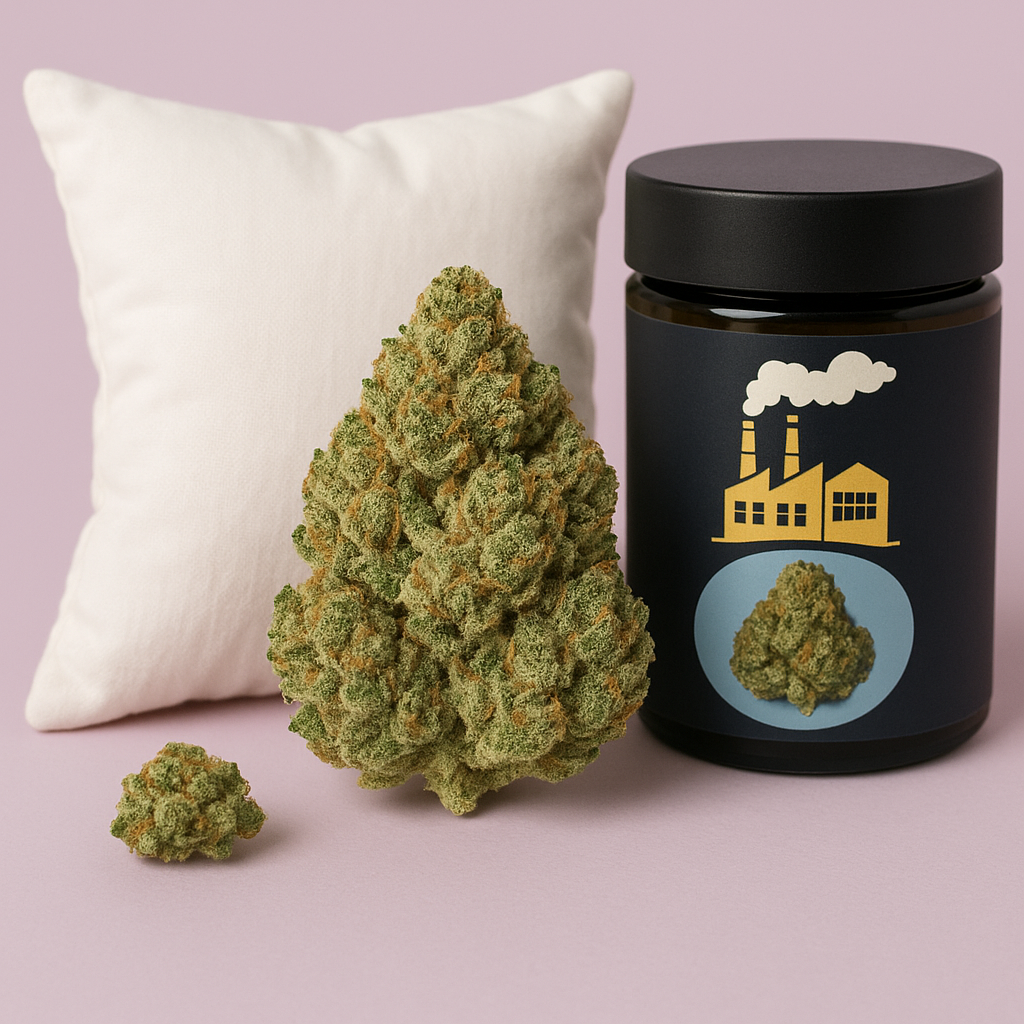
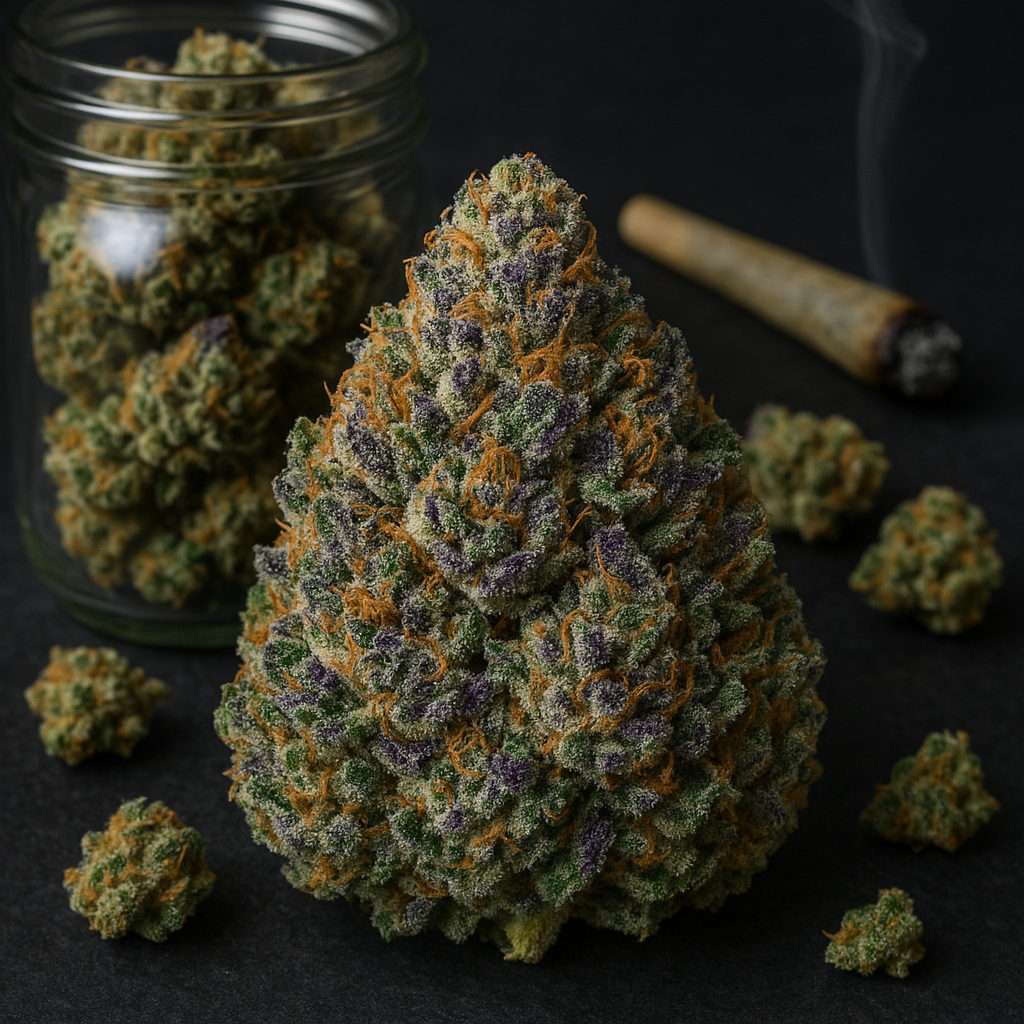
West Coast Dawg plants are typically medium to tall, showcasing a lovely array of green hues intermingled with dark purple leaves. The buds of this strain are dense and covered in a thick layer of crystalline trichomes, giving them a glittering appearance. The orange and fiery pistils contrast beautifully against the green and purple foliage, making for an eye-catching display.
Bud Structure
The buds tend to be tightly packed, with a compact structure that may remind users of its Chemdawg parentage. This compactness contributes to the strain’s potency, making West Coast Dawg a favorite among seasoned users and newcomers alike.
Aroma and Flavor Profile
One of the most distinguishing characteristics of West Coast Dawg is its aroma and flavor profile, which takes inspiration from its Chemdawg lineage.
Aroma
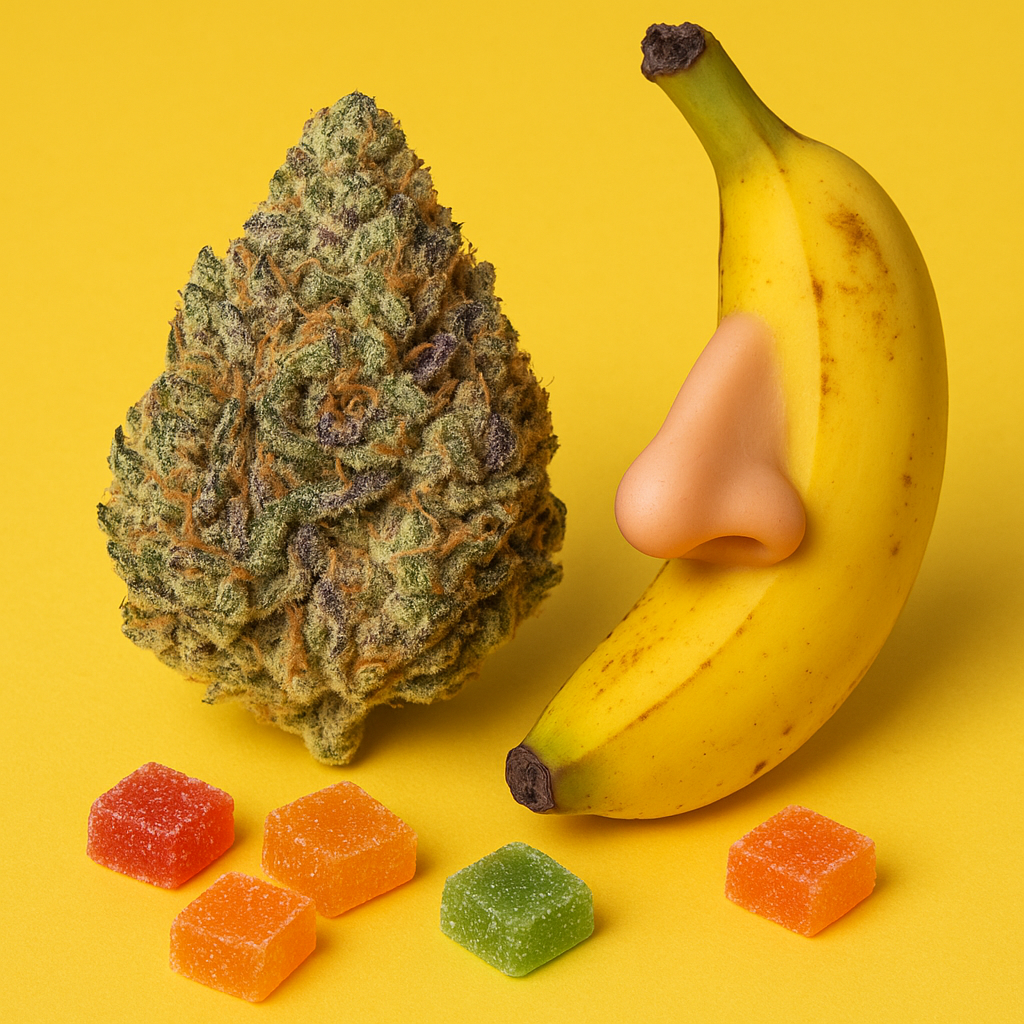
The initial aroma is an intense mix of:
- Earthy undertones reminiscent of rich soil.
- Diesel notes, which are sharp and pungent, paying homage to the Chemdawg lineage.
- Hints of sweetness, likely inherited from the Northern Lights parent, which softens the overall profile.
As the buds are broken apart, the diesel aroma becomes more pronounced, filling the air with a robust scent that some might describe as overwhelmingly skunky.
Flavor
Upon inhalation, users will notice a rich, complex flavor that combines elements of:
- Citrus zest, providing a refreshing note on the palate.
- Earthy flavors, which blend seamlessly with the more pungent diesel qualities.
- Spicy undertones, likely coming from the Northern Lights lineage, adding depth to the experience.
The exhale tends to be smooth, leaving behind a lingering sweetness that softens the otherwise strong diesel notes. The complex flavor profile makes West Coast Dawg a delight for connoisseurs who appreciate a nuanced smoking experience.
Effects and Benefits
West Coast Dawg is known for its powerful and balanced effects, making it suitable for a wide range of users. The strain is reported to provide an uplifting cerebral high that quickly transitions into a deeply relaxing body buzz.
Cerebral Effects
Users often experience an initial wave of euphoria that enhances mood and stimulates creativity. This initial burst can be ideal for those looking to engage in social activities or creative tasks. Many users describe this as a vibrant, heady experience where thoughts flow freely.
Physical Effects
- Muscle relaxation
- Insomnia
Duration and Potency
West Coast Dawg typically boasts a THC content ranging from 18% to 24%, making it a potent strain that is not advisable for novice users or those with low tolerance levels. The effects usually last between 2 to 4 hours, depending on individual tolerance and consumption method.
Cultivation
Interestingly, West Coast Dawg can be grown both indoors and outdoors, but it thrives best in a controlled indoor environment where temperature and humidity can be regulated.
Growth Characteristics
- Growth Height: Between 3 to 6 feet tall
- Flowering Time: Approximately 8 to 9 weeks
- Yield: Indoor yields can reach up to 400-500 grams per square meter, while outdoor cultivation can result in greater yields under optimal conditions.
Growing Tips
- Humidity Control: Keep humidity levels around 40-50% during the vegetative stage and reduce to 30-40% during flowering to prevent mold and mildew.
- Nutrients: Feed with high-quality nutrients throughout the growth cycle, particularly nitrogen during the vegetative phase and phosphorus during flowering.
- Pruning: Regular pruning and training can help maximize light exposure to lower branches, resulting in better yields.
User Experiences
To provide a well-rounded review, it’s essential to include user testimonials, as personal experiences can vary widely. A range of responses showcases the multifaceted effects of West Coast Dawg:
-
Recreational User B: “This strain had an incredible flavor profile, rich with diesel notes. It got me talking and laughing – a great strain for a social gathering.”
Profile Summary
Overall, West Coast Dawg stands out for its unique combination of potent effects, complex flavor profile, and versatility in a variety of settings. Here’s a quick roundup of important notes:
- Genetics: Chemdawg x Northern Lights
- Type: Hybrid (50/50)
- THC Content: 18% to 24%
- Dominant Aromas: Earthy, Diesel, Citrus
- Effects: Uplifting, Creative, Relaxing
- Cultivation Difficulty: Moderate
- Flowering Time: 8 to 9 weeks
Related strain profiles
Profile note: Cannabis sold under the same strain name can vary by breeder, phenotype, cultivation, storage and batch. Effects are subjective; use current product labeling or available lab information for the specific product, and do not drive while impaired.