At a glance
| Entry | Mango |
|---|---|
| Type | Indica |
| Reported effect categories | Appetite |
| Commonly described aroma/flavor | citrus, orange, mango |
| Original publication date | 2025-04-23 |
Tropical Bliss: A detailed profile of the Mango Cannabis Strain
Introduction
Origins and Genetics
The Mango cannabis strain is an indica-dominant hybrid, boasting a genetic lineage that often combines strains from the Afghani and Pakistani cultivars. The strain’s genetic makeup contributes not only to its distinctive flavor but also to its calming and euphoric effects. In many cases, Mango is believed to be derived from other popular strains like the famous Afghan Skunk or the Mango Kush, though specific lineage details can vary based on the breeder.
Developed primarily for its flavorful profile and potent effects, the Mango strain has garnered a devoted following within the cannabis community. Its breeding has focused not only on the psychoactive properties but also on producing a cultivar that is relatively easy to grow, making it appealing for both novice and experienced cultivators.
Appearance and Aroma
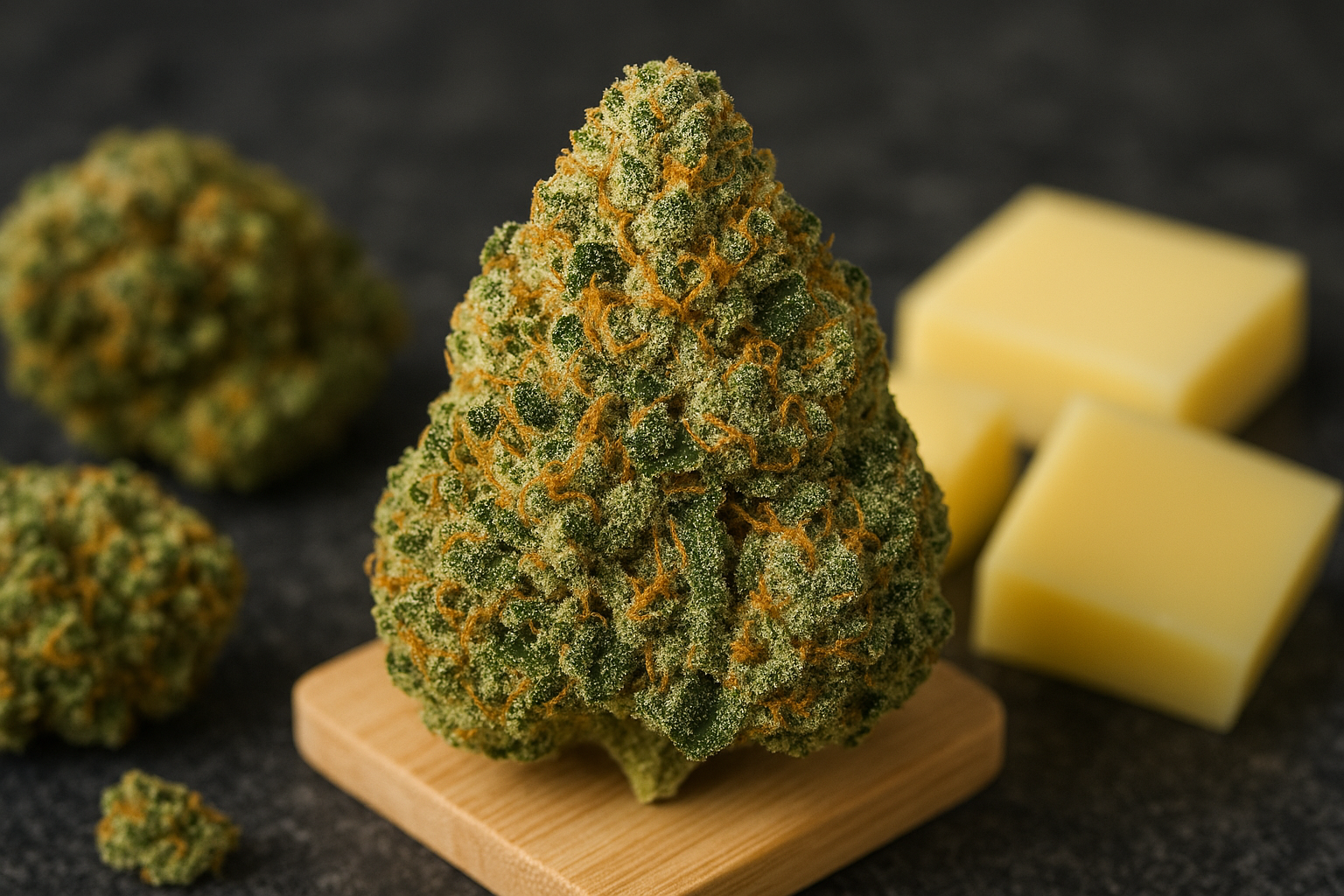
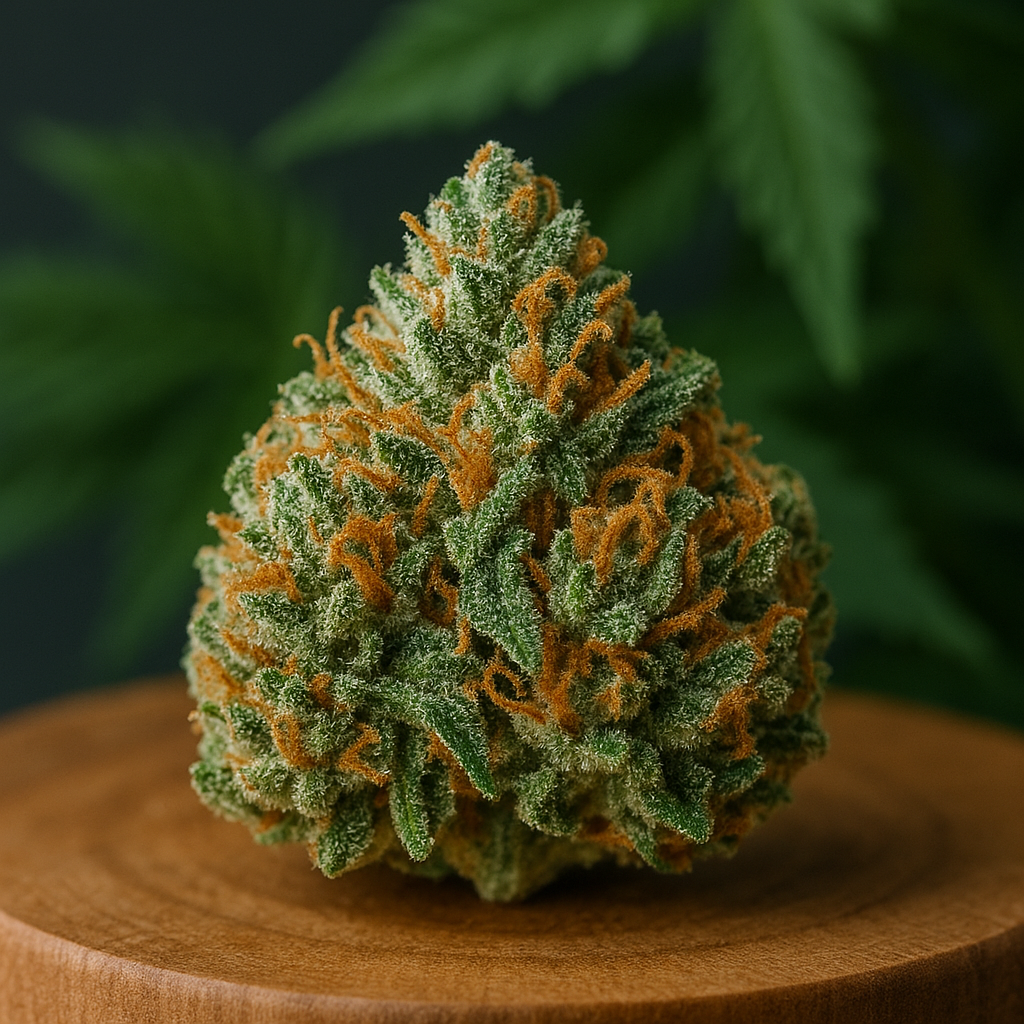
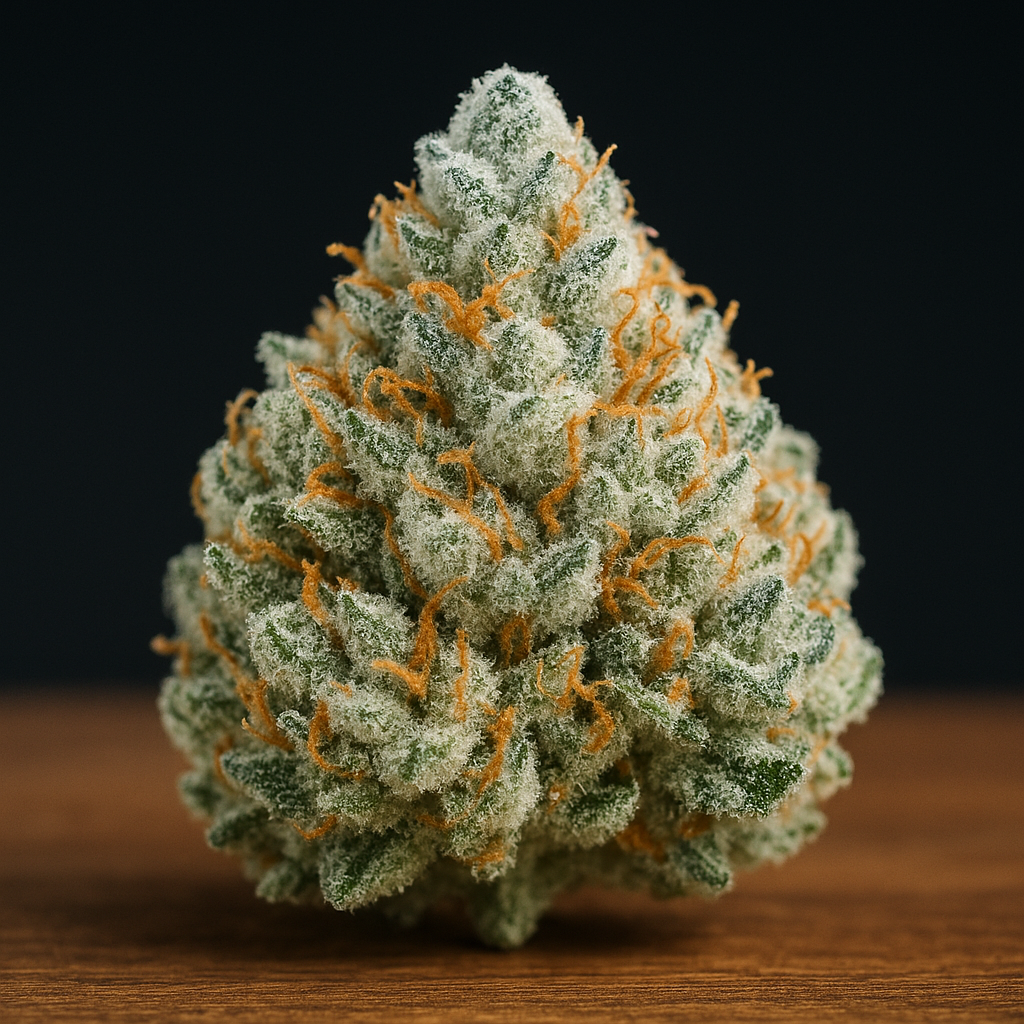
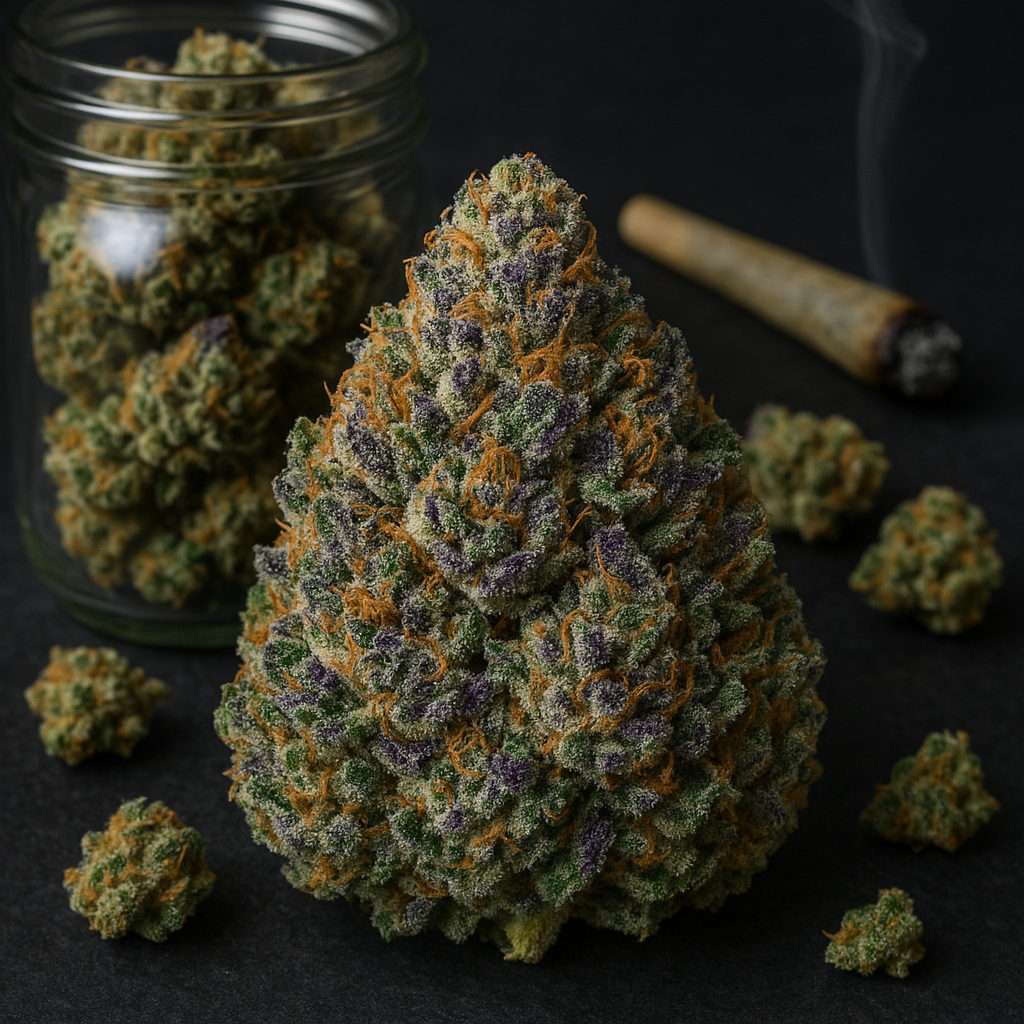
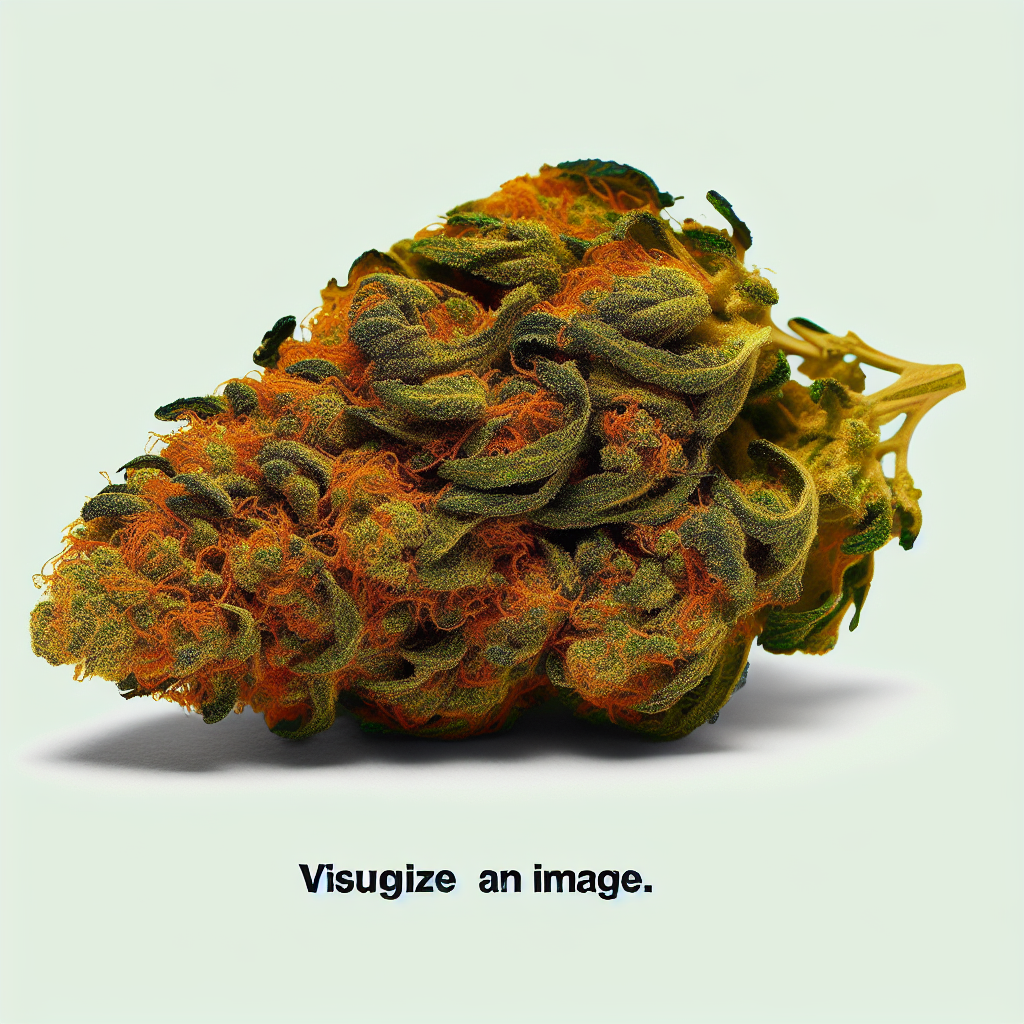
Mango cannabis flowers are visually striking, with dense, round buds that are coated in a generous layer of trichomes, giving them a frosty appearance. The buds are typically medium to large in size, with bright shades of green interspersed with vibrant orange hairs, known as pistils. The distinctive appearance is one of the first indicators of its quality and is reflective of the strain’s potency.
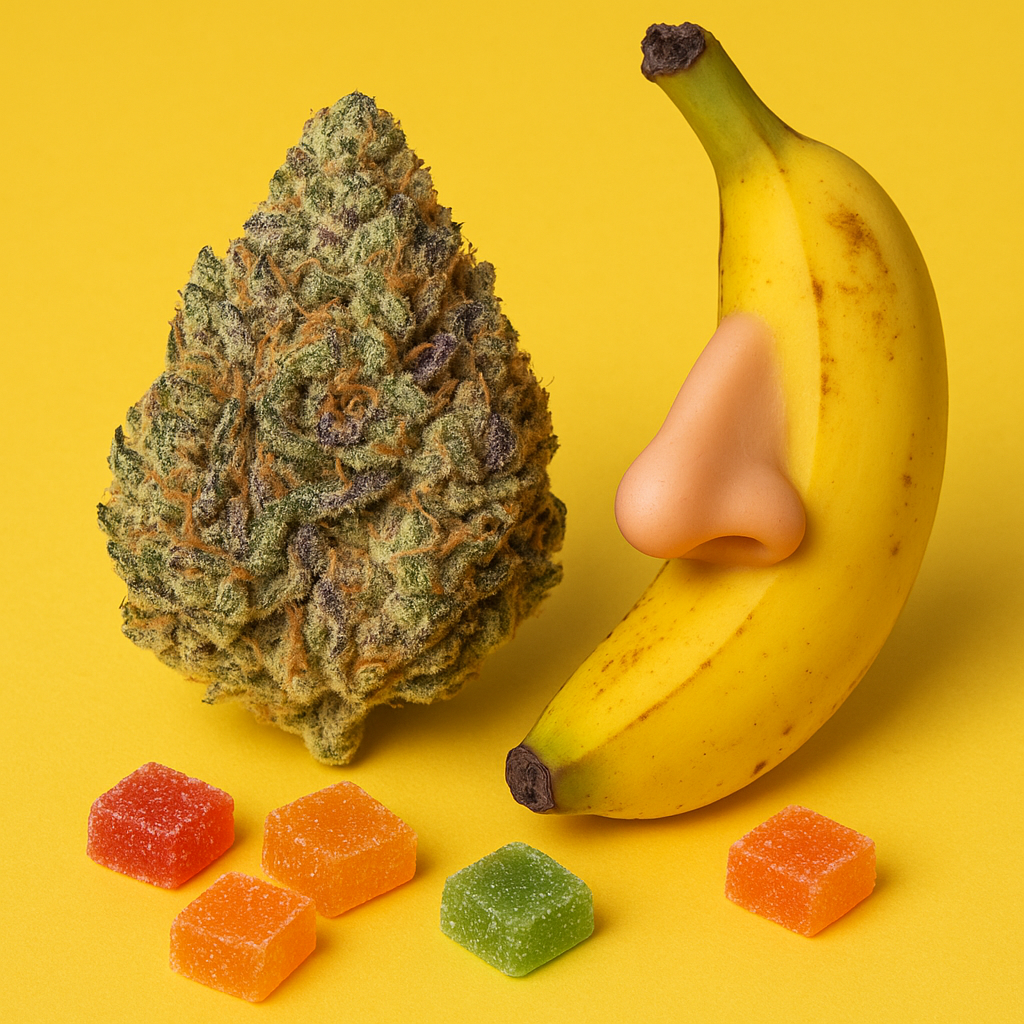
The aroma of Mango is where the strain truly shines. Upon opening a container, users are greeted with a burst of tropical fruity notes, instantly reminiscent of ripe mangoes. This sweet and luscious scent is often accompanied by earthy undertones, which contribute depth to the aroma profile. Some users may also detect subtle hints of floral and citrus notes, creating a complex olfactory experience that is both inviting and nostalgic.
Flavor Profile
The flavor profile of the Mango strain perfectly mirrors its aromatic qualities. When inhaled, users are met with an explosion of sweet mango flavors that tantalize the taste buds. The smoothness of the smoke allows for easy inhalation, and the expression of mango flavor is often described as vibrant and juicy.
On the exhale, the mango sweetness transitions to a more earthy taste, rounding out the flavor experience. Some users have noted a slightly herbal or spice-like finish, which can enhance the tropical experience. This unique combination of sweet and earthy elements makes the Mango strain a fruit lover’s dream, solidifying its popularity among those looking for flavorful cannabis options.
Cannabinoid and Terpene Profile
The Mango strain typically features a balanced cannabinoid profile, with THC levels ranging from 15% to 20% depending on cultivation and specific phenotype. This level of potency allows for a comfortable psychoactive experience suitable for adult-use consumers. The CBD content is typically lower, often around 1% to 3%, which makes the strain more appealing for those seeking a more euphoric effect.
The terpene profile of the Mango strain plays a crucial role in both its flavor and effects. Some of the predominant terpenes found in this strain include:
-
Myrcene: Often responsible for the strain’s relaxing effects, myrcene may also contribute to its soothing aroma and flavor. This terpene is known for its earthy, musky notes, often likened to cloves.
- Limonene: Commonly associated with citrus scents, limonene adds a bright, uplifting element to the Mango strain. This terpene is known for its mood-enhancing effects, which can complement the strain’s overall euphoric experience.
Together, these terpenes not only define the Mango strain’s aromatic and flavor characteristics but also contribute to its overall effects and benefits.
Effects
The Mango cannabis strain is praised for its balanced effects that cater to a wide range of users, from those seeking relaxation to those looking for a social high. Upon consumption, users often report an immediate sense of euphoria and happiness. This initial cerebral rush can enhance mood and stimulate creativity, making it an popular option for social gatherings or artistic endeavors.
As the high progresses, the indica-dominant nature of the Mango strain takes effect, providing deep relaxation and a calming body buzz. Many users appreciate this balanced approach, as it allows for a pleasurable experience without overwhelming sedation. This characteristic makes Mango an appealing option for those looking to unwind after a long day without becoming couch-locked.
Medicinally, Mango is often recommended for conditions such as:
-
Stress and Anxiety: The euphoric effects can lift mood and promote relaxation, potentially helping those struggling with stress or anxiety.
-
Nausea and Appetite Loss: For individuals undergoing treatments that affect appetite, Mango’s sweet flavor and euphoric experience may encourage eating.
Cultivation Tips
Growing the Mango strain can be a rewarding experience for cultivators at all levels of expertise. The strain is known for its resilience and adaptability, making it suitable for indoor and outdoor growing conditions.
-
Growing Medium: Mango can thrive in various growing mediums, including soil, hydroponics, and coco coir. Each medium has its benefits, but quality soil or a carefully balanced hydro system can yield the best results.
-
Growing Environment: When grown indoors, the ideal temperature range is between 70°F to 80°F (21°C to 27°C), with humidity levels maintained around 40% to 50%. Outdoor growers should aim for a warm, sunny climate with moderate humidity.
-
Flowering Time: The Mango strain typically has a flowering time of about 8 to 9 weeks. Observing the trichomes can help determine the optimal harvest time, with milky white trichomes indicating peak THC levels and amber trichomes suggesting a more sedative effect.
- Yield: Indoor growers can expect moderate to high yields, averaging around 14 ounces per square meter. Outdoor yields can be even higher, with optimal conditions producing upwards of 20 ounces per plant.
Training techniques such as topping or low-stress training (LST) can enhance yields and promote better light exposure to lower branches.
Profile Summary
To give you a well-rounded understanding of the Mango cannabis strain, we have compiled a selection of user reviews, highlighting both the positive aspects and some potential downsides of this strain.
Conclusion
In conclusion, the Mango cannabis strain is a delightful blend of tropical flavors and balanced effects, making it suitable for both recreational enjoyment and adult-use context. With its rich genetics, vibrant aroma, and diverse effects, Mango is an popular option for cannabis enthusiasts looking to elevate their experience.
From its origins rooted in indica-dominance to its specific cannabinoid and terpene profile, Mango caters to a broad spectrum of preferences and preferred effects and flavor profiles. Cultivators can find joy in growing this resilient strain, which continues to captivate users with its sweet flavors and uplifting experiences.
Related strain profiles
Profile note: Cannabis sold under the same strain name can vary by breeder, phenotype, cultivation, storage and batch. Effects are subjective; use current product labeling or available lab information for the specific product, and do not drive while impaired.