At a glance
| Entry | Pressure |
|---|---|
| Type | Hybrid |
| Reported effect categories | Euphoric |
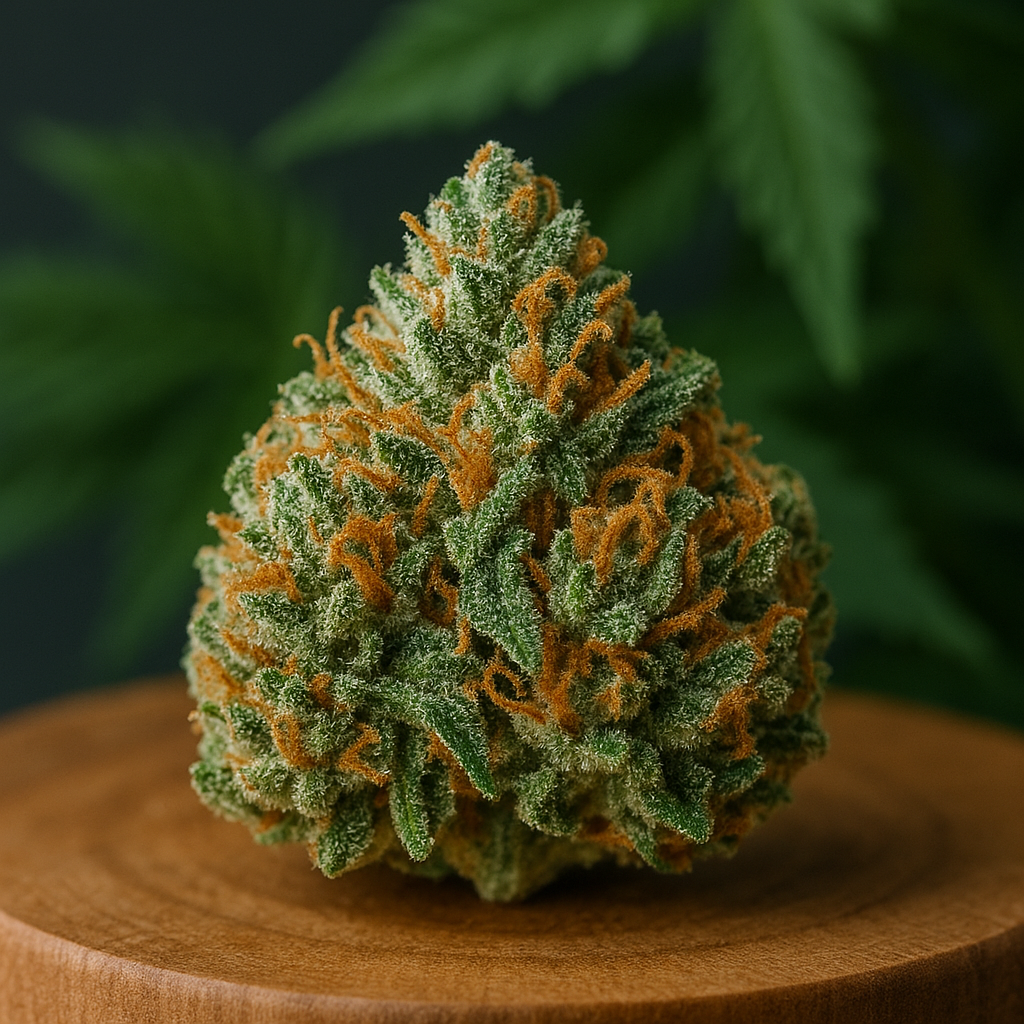
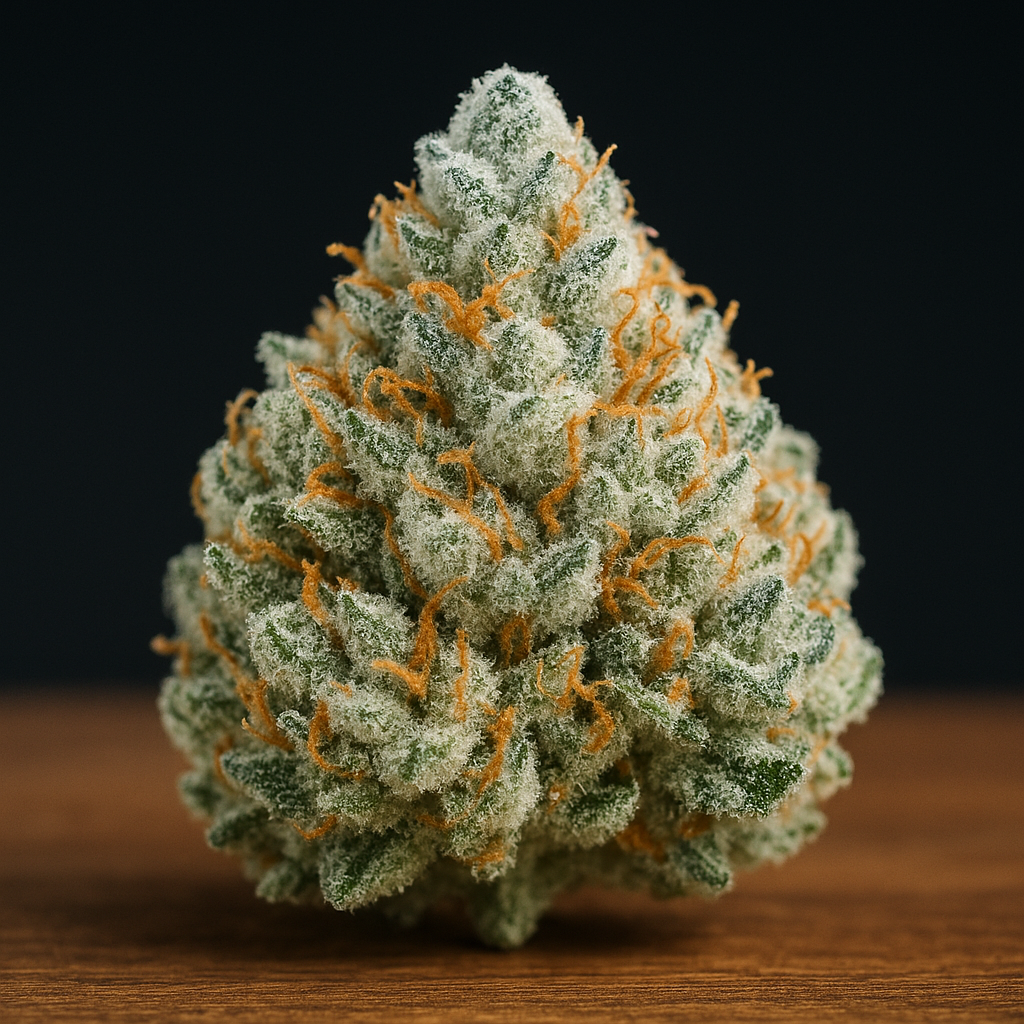
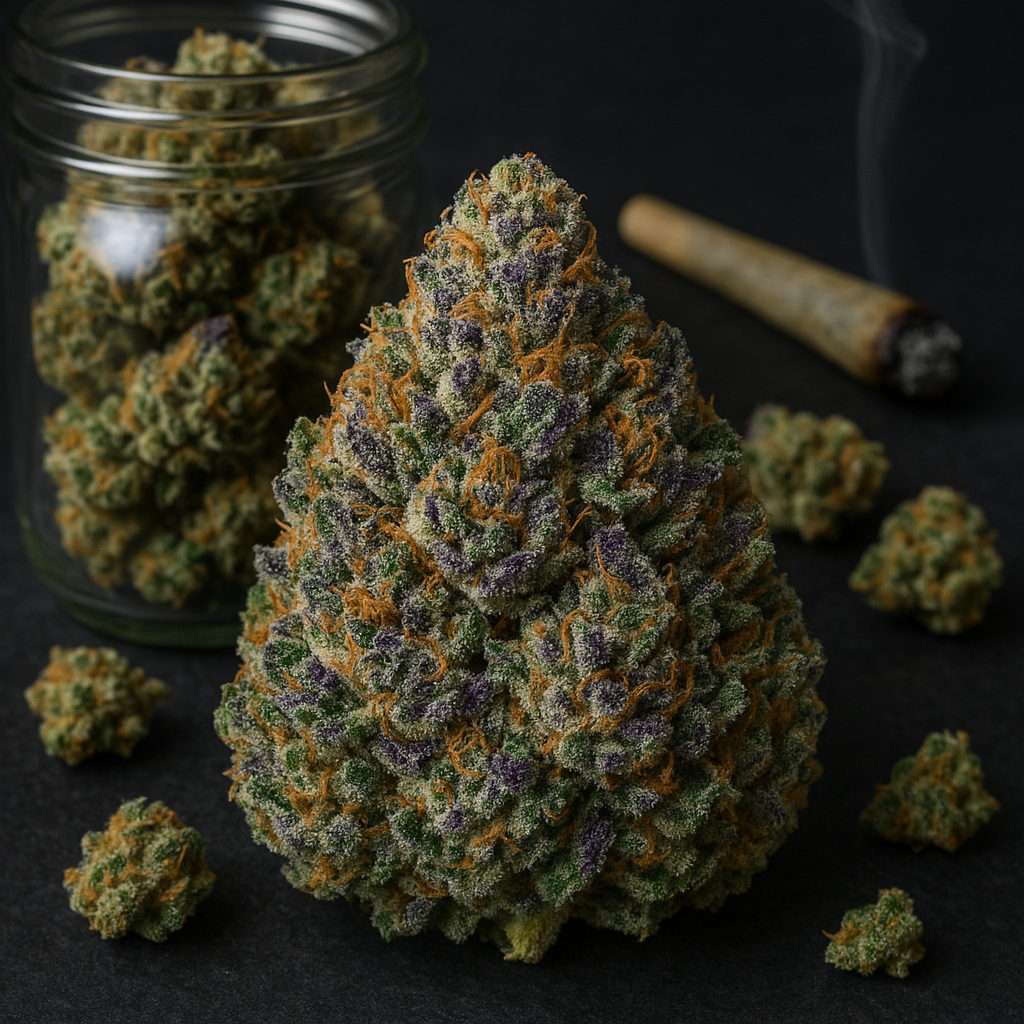
| Commonly described aroma/flavor | citrus, earthy, herbal |
| Original publication date | 2026-01-22 |
Understanding Pressure Strain: A detailed profile
Background of Pressure Strain
Origin and Genetics
Pressure Strain has an intriguing lineage. It’s often categorized under the hybrid category, showcasing a blend of both Indica and Sativa traits. The exact genetic profile may vary across cultivators, but it typically descends from well-known parent strains such as GSC (Girl Scout Cookies) and OG Kush. This lineage contributes to its balanced effects, making it appealing to a wide range of consumers.
Cannabinoid Profile
The cannabinoid profile of Pressure Strain significantly contributes to its effects. Users can typically expect a THC concentration that ranges between 18% to 24%, with some batches even reaching up to 28%. Its CBD content is relatively low, generally hovering around 0.1% to 1%, making it ideal for those who prefer the psychoactive effects without excessive medicinal components.
Terpene Profile
The aromatic and flavor profile of Pressure Strain is shaped by its unique terpene makeup. The most commonly identified terpenes include:
- Myrcene: Known for its earthy and herbal aromas, myrcene is believed to contribute to the calming effects often associated with Indica strains.
- Limonene: This terpene has a citrus scent and is commonly linked to mood enhancement.
- Caryophyllene: With its spicy, peppery notes, caryophyllene not only enhances flavor but may also provide anti-inflammatory properties.
Together, this terpenic harmony creates a bouquet that is both engaging and reported.
Growth Characteristics
Cultivation Requirements
Pressure Strain is relatively medium in difficulty regarding cultivation. It thrives in ideal conditions, showcasing resilience against common pests and diseases. The strain prefers:
- Temperature: Between 70°F to 80°F (21°C to 27°C), with controlled humidity to prevent molds.
- Soil: Well-draining soil enriched with organic matter is ideal, ensuring optimal nutrient absorption.
- Lighting: Pressure Strain prefers full-spectrum LED lighting or high-intensity discharge (HID) lights, particularly during the flowering phase.
Flowering Time
The flowering time for Pressure Strain is approximately 8 to 10 weeks, falling within the average range for hybrid strains. Growers should monitor the trichomes’ coloration to identify the optimal harvest window for peak potency.
Yield
Pressure Strain is known for producing moderate yields. Indoors, cultivators can expect around 400 to 500 grams per square meter, while outdoor growers may see yields ranging from 600 to 800 grams per plant, dependent upon environmental conditions.
Effects and User Experiences
One of the key aspects of Pressure Strain is its effect profile. Users often report a well-rounded experience that combines both uplifting and relaxing qualities.
Initial Effects
Typically, users might initially feel a euphoric lift, with a surge of creativity and sociability. This Sativa-dominance can help chase away the stresses of the day and encourages engagement in social activities or creative projects.
Peak Effects
As the high continues, users will often experience relaxation that leans toward soothing the body and mind—hence its appeal to users looking to unwind after a busy day. The initial cerebral stimulation transitions into a calming body buzz that facilitates relaxation without compromising functionality.
Duration
The effects of Pressure Strain typically last for 1.5 to 3 hours. Users can enjoy an extended relaxation period after the euphoria fades, making it a suitable choice for evening use or social gatherings.
Community Reception
User Reviews
When exploring the reception of Pressure Strain, a wide array of user experiences can be found on cannabis review platforms such as Leafly and Weedmaps. Users consistently highlight its balanced effects as a primary reason for their preference:
- Creativity and Sociability: Many users appreciate its uplifting effects that promote creativity, making it suitable for artistic endeavors and social gatherings.
- Calming without Sedation: Pressure Strain earns points for its ability to relax users without putting them to sleep—an aspect valued by many some consumers.
- Flavor and Aroma: The unique blend of citrus, earthy, and peppery notes has garnered numerous positive comments regarding its scent and taste.
Criticisms
Despite its positivity, Pressure Strain is not without its criticisms. Some users have noted:
- Dry Mouth and Eyes: Common side effects of cannabis, some users report that Pressure Strain can lead to pronounced cottonmouth and red eyes.
- Overwhelming in High Doses: New users or those with low THC tolerance might find the high intensity overwhelming if consumed in large quantities.
Comparative Analysis
Pressure Strain vs. Other Strains
To appreciate the unique characteristics of Pressure Strain, it can be juxtaposed against other popular strains that share similar traits.
Pressure Strain vs. GSC (Girl Scout Cookies)
While both strains come from a common lineage, GSC tends to have a more pronounced sweet and earthy flavor profile, along with a more powerful psychoactive effect. Pressure Strain offers a balanced approach, catering to users seeking creative uplift without heavy sedation.
Pressure Strain vs. OG Kush
OG Kush is renowned for its potency and often heavy effects. Pressure Strain offers a more versatile experience, allowing users to enjoy clear-headedness along with relaxation—ideal for social settings.
Conclusion
Profile Summary
- Ease of Growth: 4.0/5 (Moderate difficulty, ideal for intermediate growers)
In summary, Pressure Strain is a hybrid cannabis strain that effectively marries the best of both worlds–delivering uplifting effects while providing substantial relaxation. Whether you’re a recreational user seeking some relaxation or a consumer aiming to alleviate symptoms, Pressure Strain deserves a spot in your cannabis collection.
Related strain profiles
Profile note: Cannabis sold under the same strain name can vary by breeder, phenotype, cultivation, storage and batch. Effects are subjective; use current product labeling or available lab information for the specific product, and do not drive while impaired.