At a glance
| Collection | North Indian Cannabis Strains |
|---|---|
| Type | Indica |
| Reported effect categories | Energetic |
| Commonly described aroma/flavor | lemon, berry, sweet |
| Original publication date | 2025-12-09 |
detailed profile: Top North Indian Cannabis Strains You Need to Try
Introduction
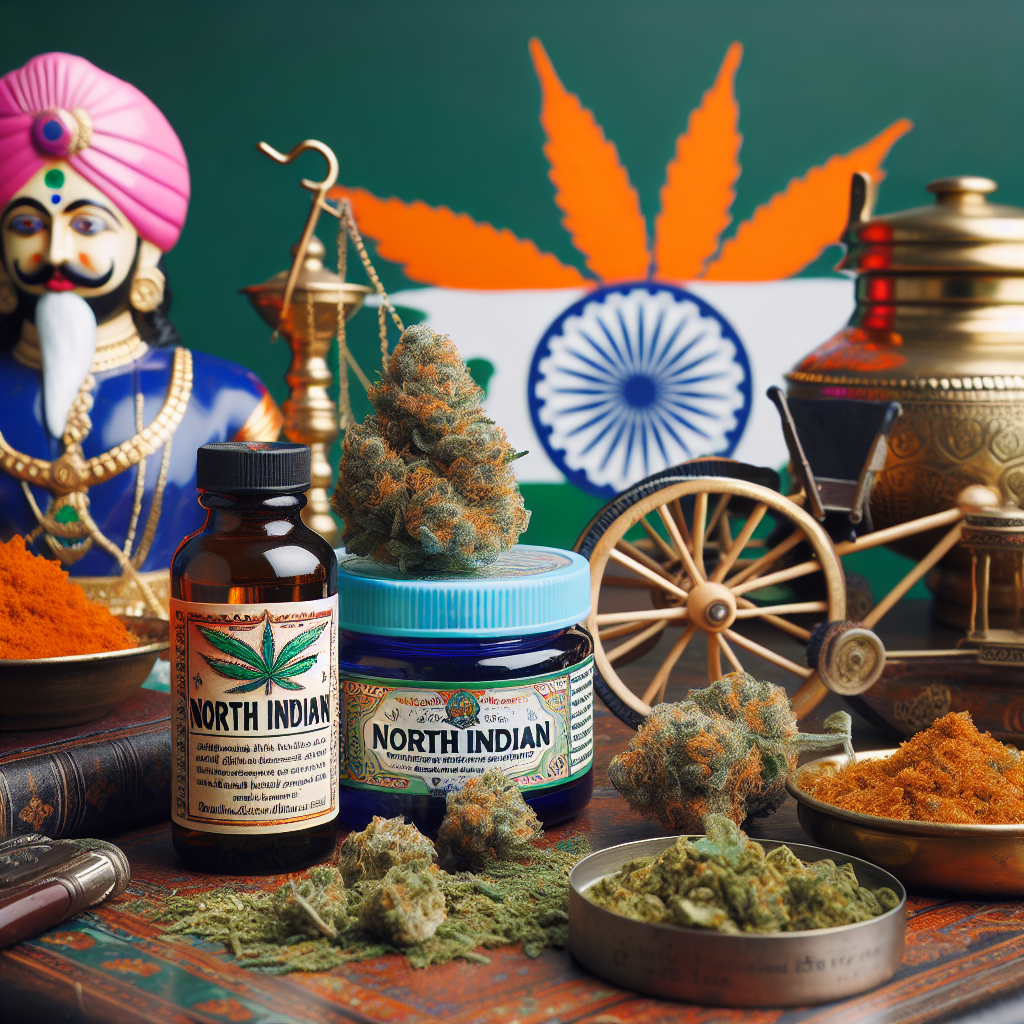
North India, with its diverse geography and rich cultural tapestry, has historically been a cradle for various cannabis strains, particularly due to its long-standing association with traditional uses in religious and medicinal contexts. As the cannabis landscape evolves globally, certain strains from North India are garnering attention for their unique cannabinoid profiles, flavors, and effects. This detailed profile delves into some of the top North Indian cannabis strains, analyzing their genetics, cultivation methods, effects, and applications.
What Defines North Indian Cannabis Strains?
North Indian cannabis can be characterized by its distinctive genetic lineage, primarily from indigenous landrace strains that thrive in specific regional climes. The primary types of cannabis found in Northern India are:
- Indica: Often associated with relaxing effects, these strains predominantly come from the hilly regions such as the Himalayas.
- Sativa: These strains usually have higher THC content and energizing effects, commonly found in the Terai regions.
Typically, North Indian strains reflect adaptations to monsoon climates and varying altitudes, resulting in unique flavors and effects that differ from those cultivated in other parts of the world.
1. Himalayan Landrace Strain
Genetics
- Type: Indica Dominant
- THC/CBD Levels: 15-20% THC, 0.1-0.5% CBD
Description
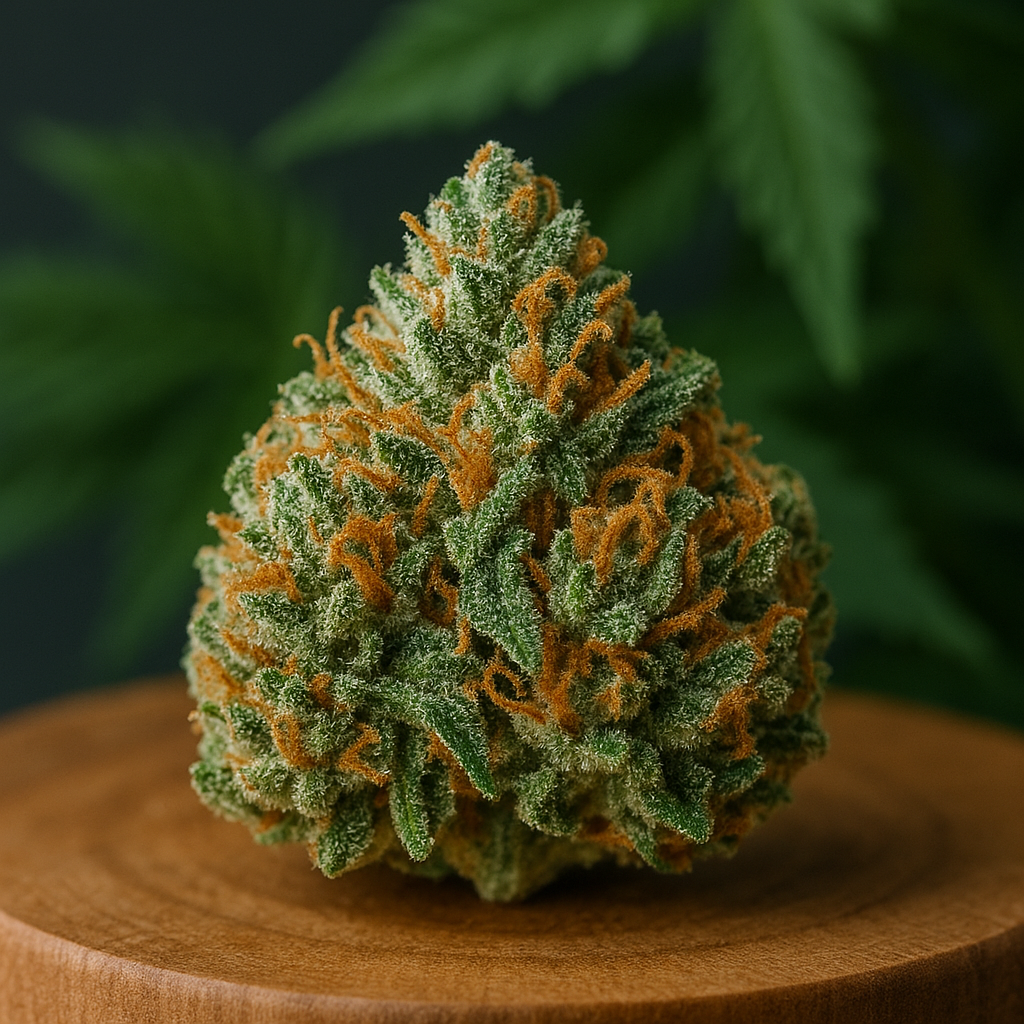
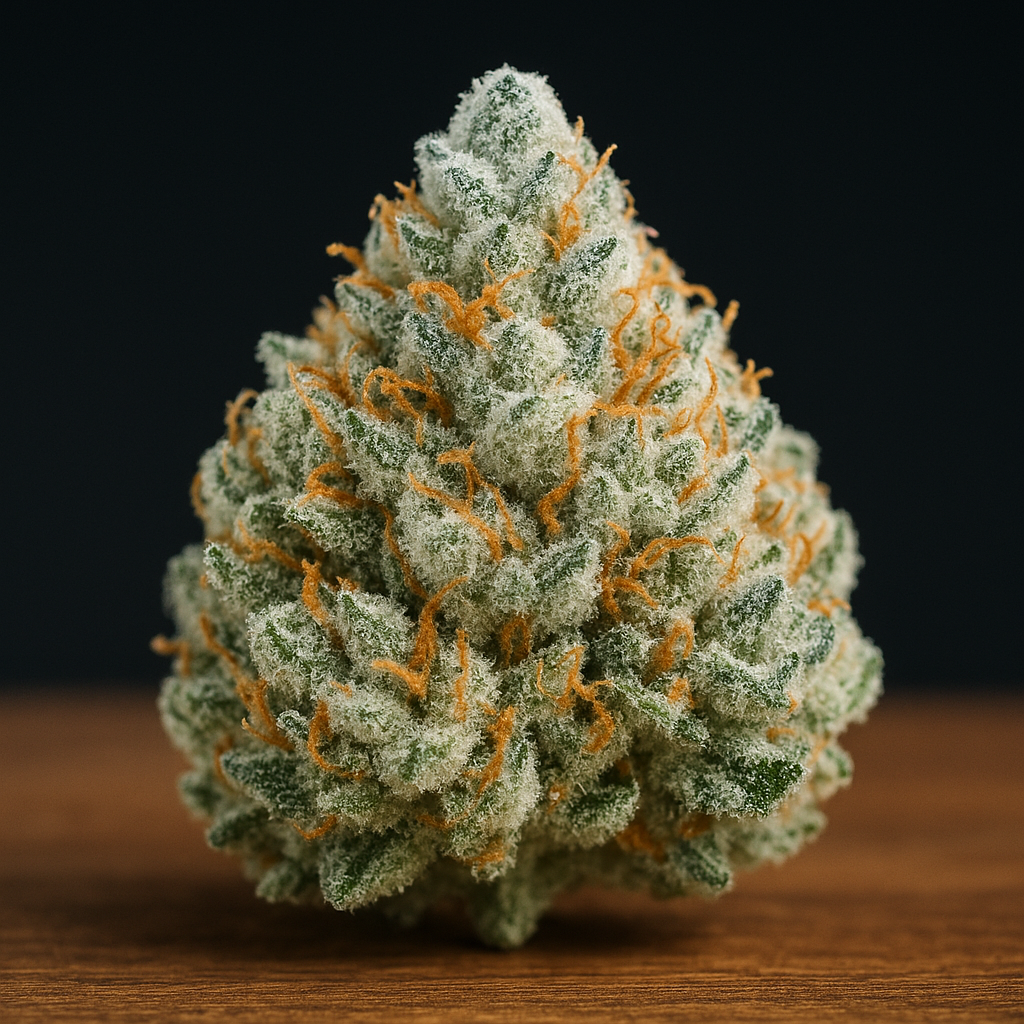
The Himalayan Landrace is a traditional strain that has been cultivated for centuries in the diverse terrains of the Indian Himalayas. Its plants are medium-sized, bushy, and often display vibrant green leaves with hints of purple and orange stigma.
Flavor and Aroma
Smokers can expect a rich, earthy aroma with strong notes of pine and a hint of sweetness. When consumed, its flavor profile features a prominent herbal taste with underlying floral characteristics.
Effects
Cultivation
The Himalayan Landrace thrives at altitudes above 1,500 meters and prefers well-drained sandy soil. It is resistant to mold and pests, making it suitable for outdoor cultivation in regions with humid climates.
2. Malana Cream
Genetics
- Type: Indica Dominant
- THC/CBD Levels: 18-24% THC, 0.3% CBD
Description
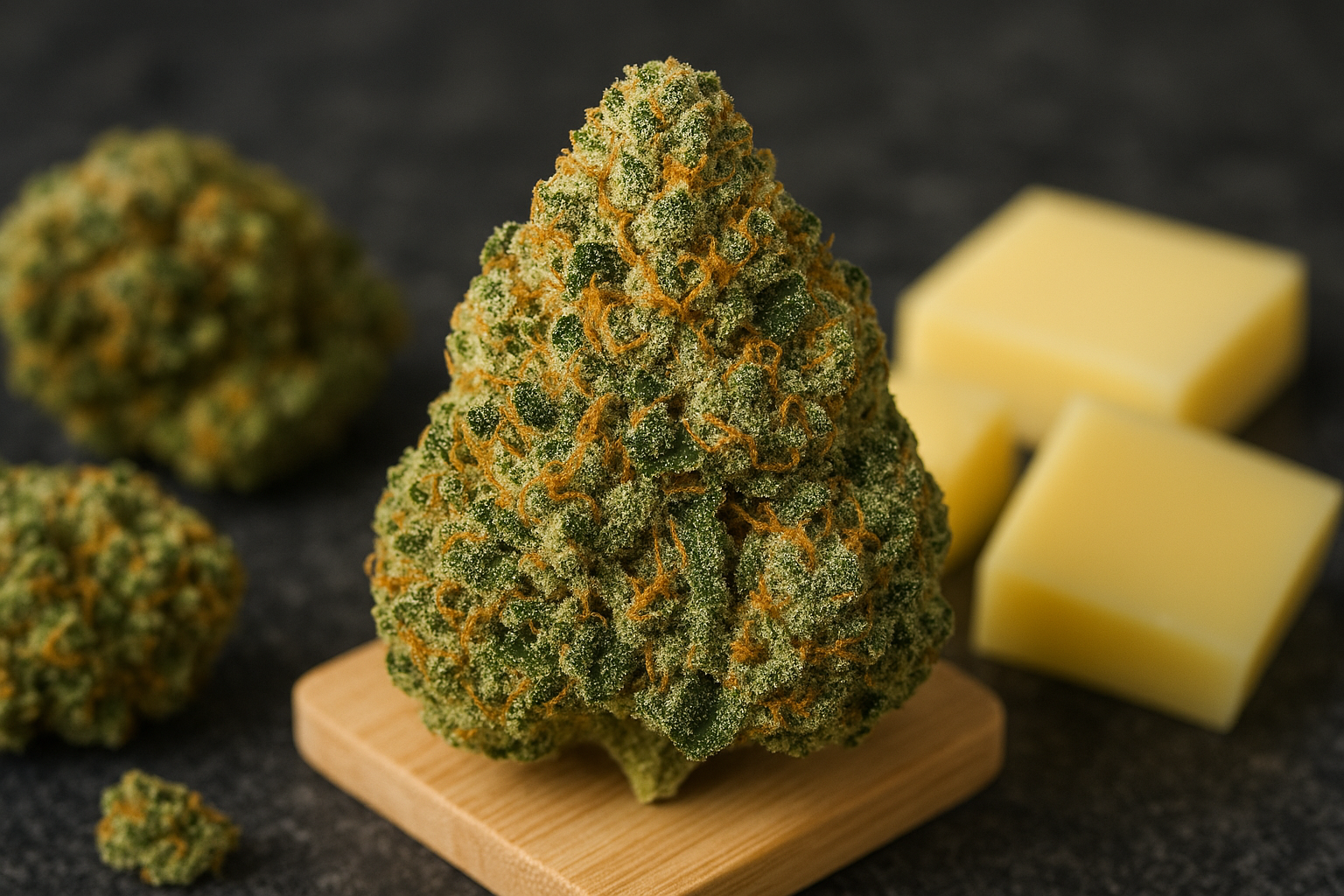
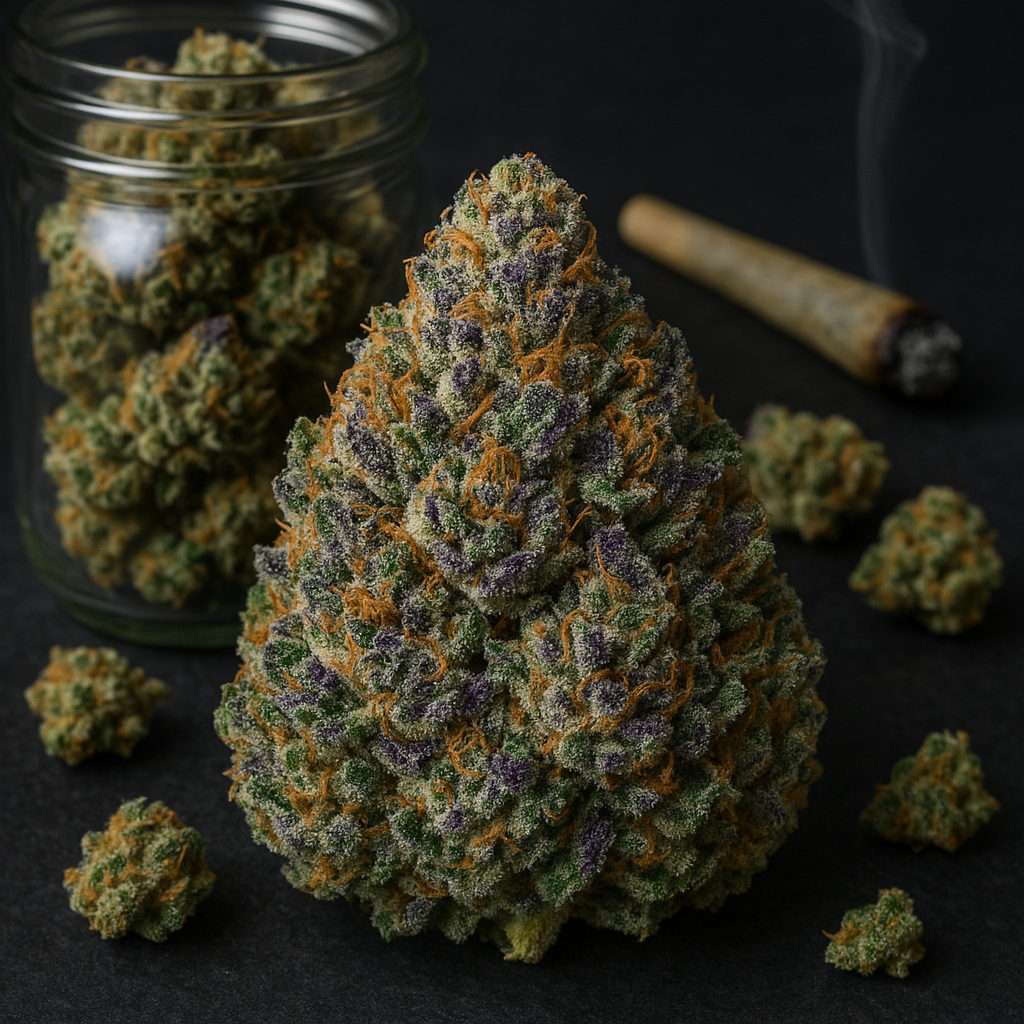
Originating from the Malana Valley, this strain is often recognized for its famed hashish production. The Malana Cream strain features dense buds that are glistening with trichomes, indicating high resin content.
Flavor and Aroma
Malana Cream typically has a sweet, creamy aroma with hints of hashish and spices. The flavor profile can be described as smooth, often leaving a rich aftertaste reminiscent of vanilla and earthly undertones.
Effects
The effects are both cerebral and physical. Users often feel a wave of euphoria that can enhance creativity and social interaction, followed by a deeply relaxing body high. Due to its potency, Malana Cream is recommended for evening use, particularly for winding down after a long day.
Cultivation
Cultivators seeking to grow Malana Cream should utilize techniques that highlight its natural resilience against pests. It is also best to cultivate this strain under controlled environments to optimize its resin production.
3. Kashmiri Hash Plant
Genetics
- Type: Indica
- THC/CBD Levels: 16-22% THC, 0.2% CBD
Description
Known for its rich, fragrant hashish, the Kashmiri Hash Plant has thick, dense buds coupled with vibrant green leaves. This strain is a descendant of pure indica landrace varieties found in the region.
Flavor and Aroma
The Kashmiri Hash Plant is characterized by a sweet, woody aroma with notes of chocolate and spices. Upon inhalation, users are often greeted by a smooth, creamy smoke that lingers pleasantly in the palate.
Effects
Cultivation
This strain thrives in cooler climates and requires minimal attention, making it suitable for novice growers. It cultivates best when grown organically, which enhances its flavor and aroma profiles.
4. Ganja of Varanasi
Genetics
- Type: Sativa Dominant
- THC/CBD Levels: 20-28% THC, 0.1% CBD
Description
Ganja from Varanasi, often associated with the spiritual practices of the region, is a potent sativa strain. The plants can attain impressive height, showcasing elongated buds and vibrant foliage.
Flavor and Aroma
With a citrusy aroma intertwined with notes of mint and floral undertones, this strain presents a refreshing smoking experience. The flavor is bright and lively, with hints of lemon and green apple.
Effects
The effects of Varanasi Ganja are energizing and uplifting. Ideal for daytime use, it enhances focus and creativity, making it an popular option for any social or artistic engagement.
Cultivation
This strain flourishes in warm climates with abundant sunlight. Its cultivation requires attention to environmental conditions, such as humidity and soil quality, to ensure robust growth.
5. Punjab Seedless Strain
Genetics
- Type: Indica/Sativa Hybrid
- THC/CBD Levels: 15-22% THC, 0.1% CBD
Description
Punjab Seedless is known for its smooth buds and excellent hybrid characteristics, combining the best of both indica and sativa genetics. It boasts heavy trichome coverage that contributes to its potency.
Flavor and Aroma
Flavor-wise, Punjab Seedless offers a complex profile of sweet fruitiness with hints of earthiness. Its aroma is equally captivating, exhibiting notes of berry and spice.
Effects
Users report a balanced high that instills both relaxation and mental clarity. This strain is perfect for those looking to unwind without losing focus, making it suitable for social gatherings or creative pursuits.
Cultivation
Cultivation methods for Punjab Seedless involve careful stress training techniques to maximize yield. It requires attention to nutrient levels, particularly during the flowering phase, to enhance flavor profiles.
Profile Summary
Summary of Each Strain
-
Malana Cream
- Type: Indica
- THC: 18-24%
- Effects: Cerebral euphoria, deep relaxation
- Best For: Evening use, social interaction
-
Ganja of Varanasi
- Type: Sativa
- THC: 20-28%
- Effects: Energizing, uplifting
- Best For: Daytime use, creativity
- Punjab Seedless
- Type: Hybrid
- THC: 15-22%
- Effects: Relaxation, clarity
- Best For: Social gatherings, creative work
Overall Profile
North Indian cannabis strains offer a rich palette that is both diverse and robust. Whether you are seeking relaxation, creativity, or relief from chronic conditions, these strains provide a plethora of options for both novice and seasoned users. With their unique histories, flavors, and effects, experiencing these strains is not just about consumption; it’s about immersing oneself in a centuries-old culture steeped in tradition and adult-use context. As cannabis regulations continue to evolve, these strains may shift from local fascination to global recognition, putting North India firmly on the cannabis map for enthusiasts worldwide.
Related strain profiles
Profile note: Cannabis sold under the same strain name can vary by breeder, phenotype, cultivation, storage and batch. Effects are subjective; use current product labeling or available lab information for the specific product, and do not drive while impaired.