At a glance
| Entry | Vanilla Bean |
|---|---|
| Type | Hybrid |
| Reported effect categories | Sleepy |
| Commonly described aroma/flavor | berry, sweet, vanilla |
| Original publication date | 2025-10-18 |
Introduction
In the ever-evolving world of cannabis, one strain that has garnered attention for its unique flavor profile and reported effects is the Vanilla Bean. As enthusiasts continue to seek strains that not only meet their preferred effects and flavor profiles but also offer an enjoyable sensory experience, Vanilla Bean stands out due to its characteristic sweet aroma and robust effects. This detailed profile will delve into every aspect of the Vanilla Bean strain, including its genetics, flavor profile, effects, cultivation methods, and more.
Genetics and Origins
Vanilla Bean is a hybrid strain, primarily leaning towards the indica side, with a genetic makeup that combines some of the best attributes from its parent strains. Though the exact lineage is not always clear in the cannabis community, Vanilla Bean is believed to be a descendant of widely respected strains such as Granddaddy Purple and Blueberry, which are known for their rich flavors and relaxing effects.
Genetic Breakdown
- Indica/Sativa Ratio: 70% Indica / 30% Sativa
- THC Content: Typically ranges between 22% and 26%
- CBD Content: Generally low, around 0.1% to 0.3%
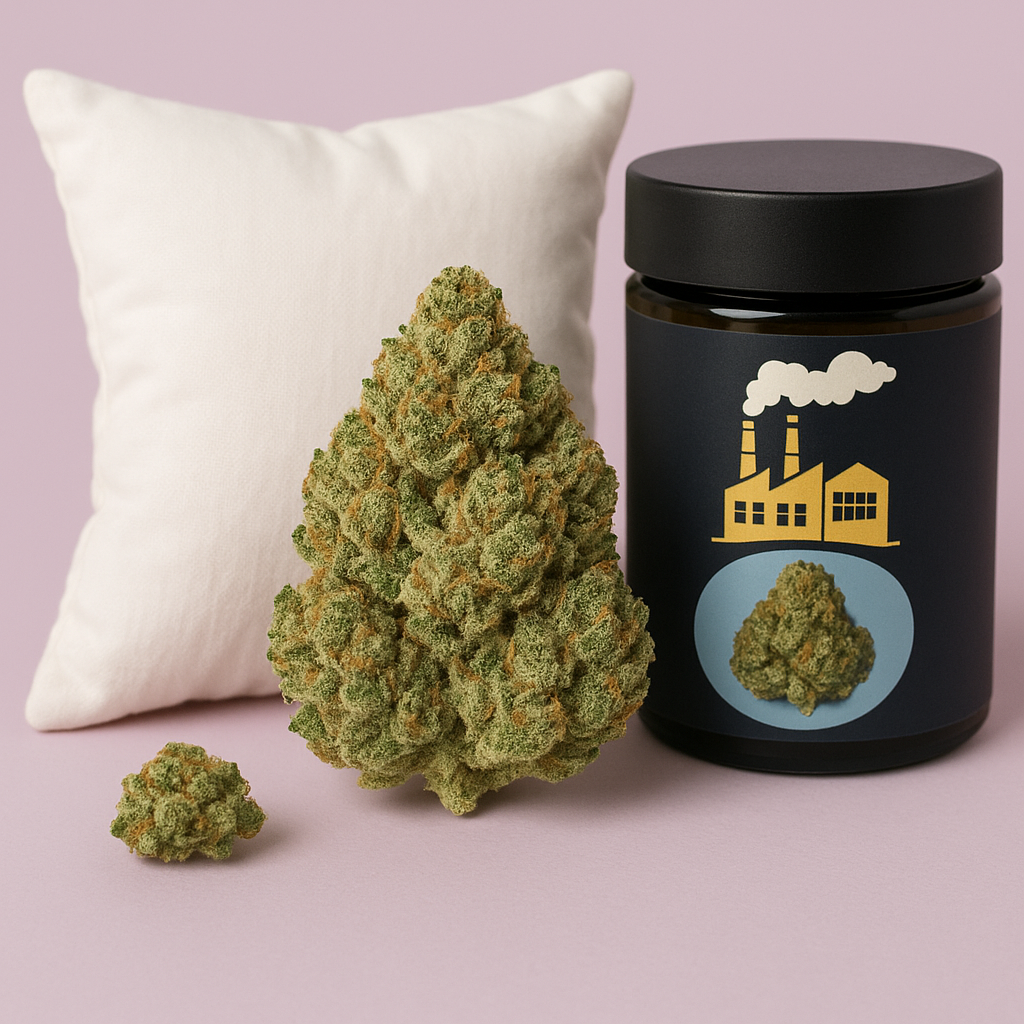
This strong indica dominance makes Vanilla Bean particularly suitable for evening use, where relaxation and soothing effects are sought after.
Flavor Profile
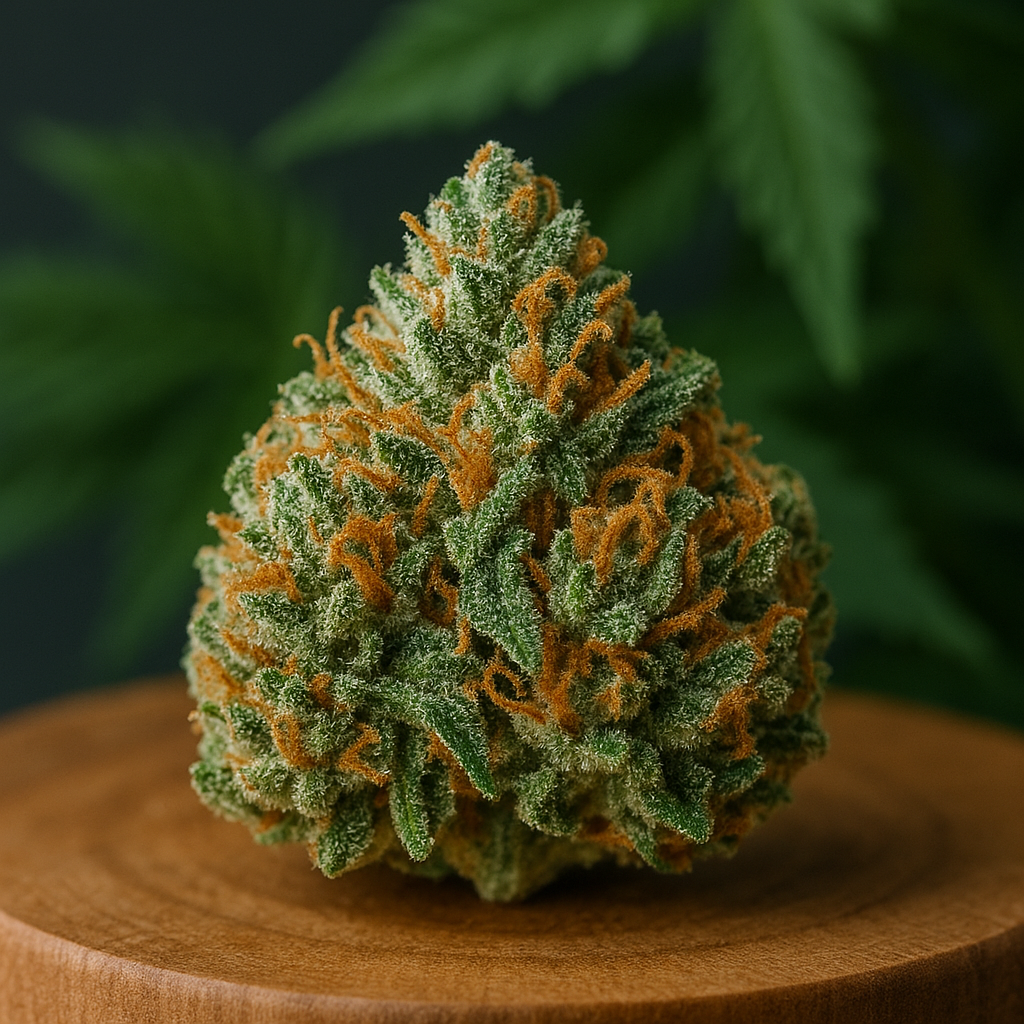
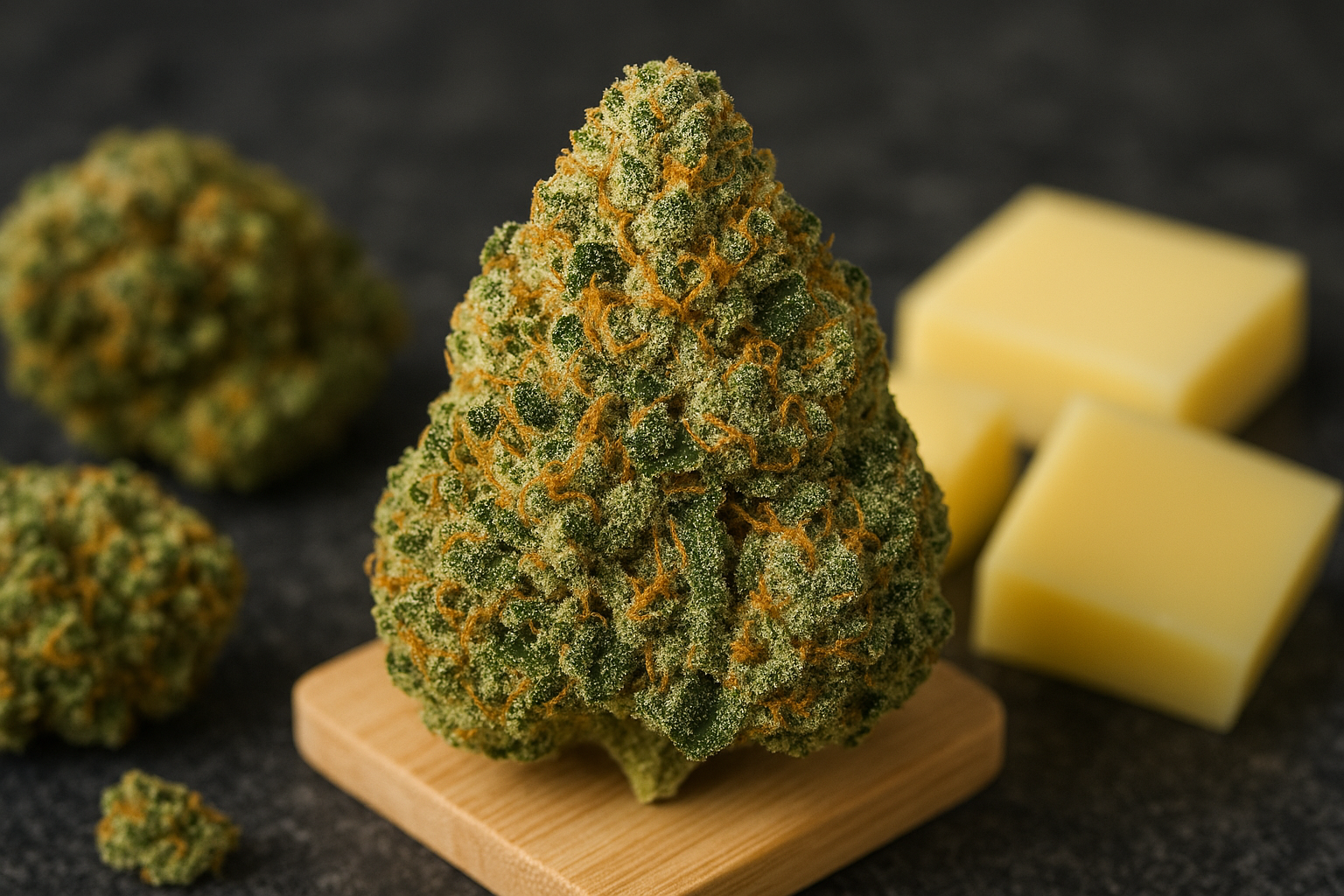
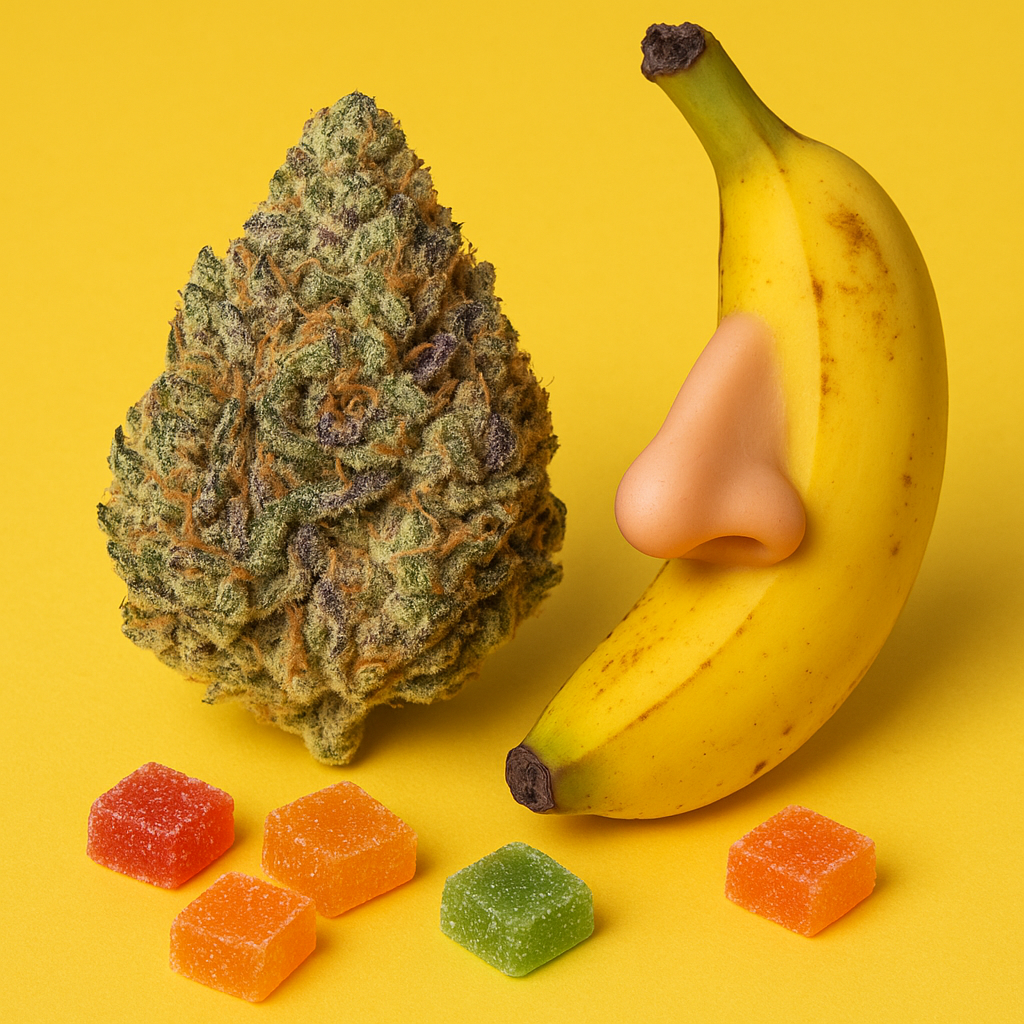
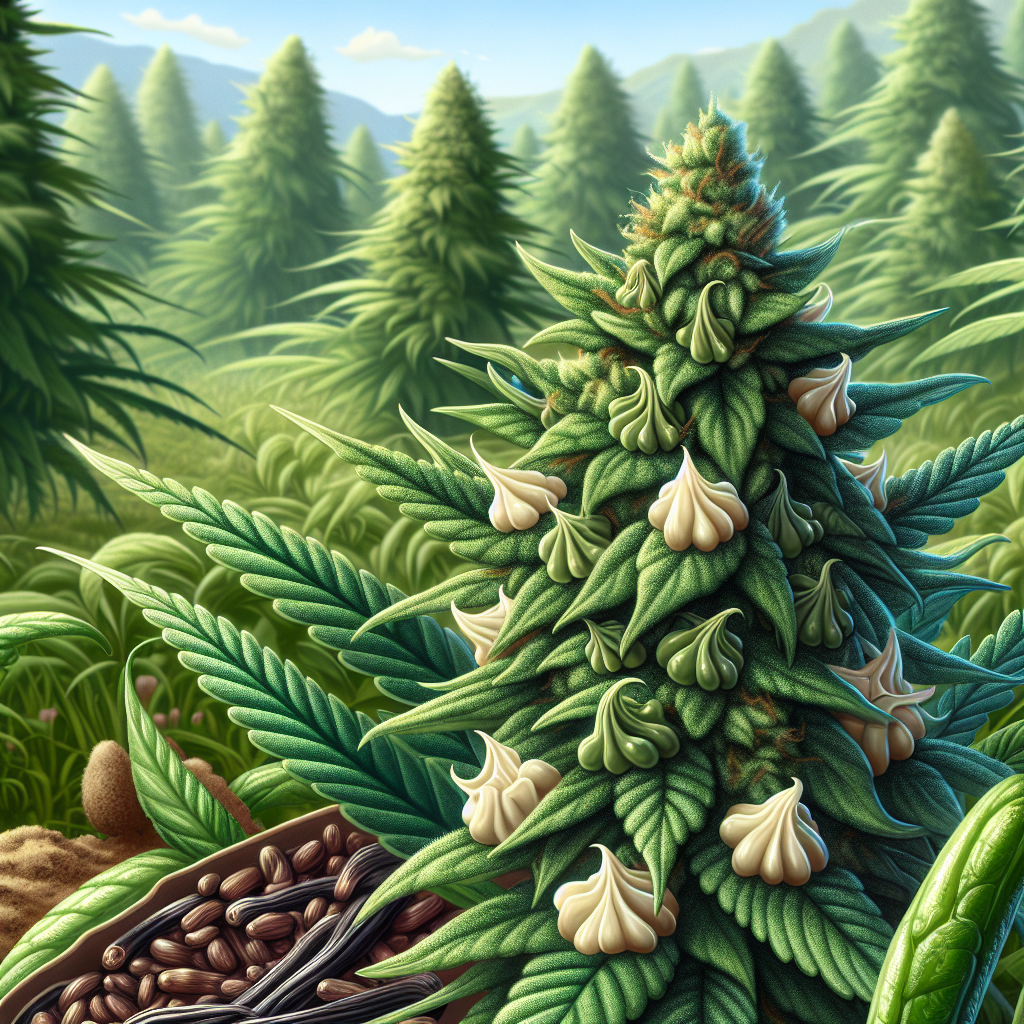
The defining feature of Vanilla Bean is, undoubtedly, its exceptional flavor profile. Upon first inhalation, users are greeted with a sweet, creamy vanilla essence that is immediately reminiscent of dessert. This delightful taste is complemented by subtle earthy undertones and hints of berry and spice.
Aroma
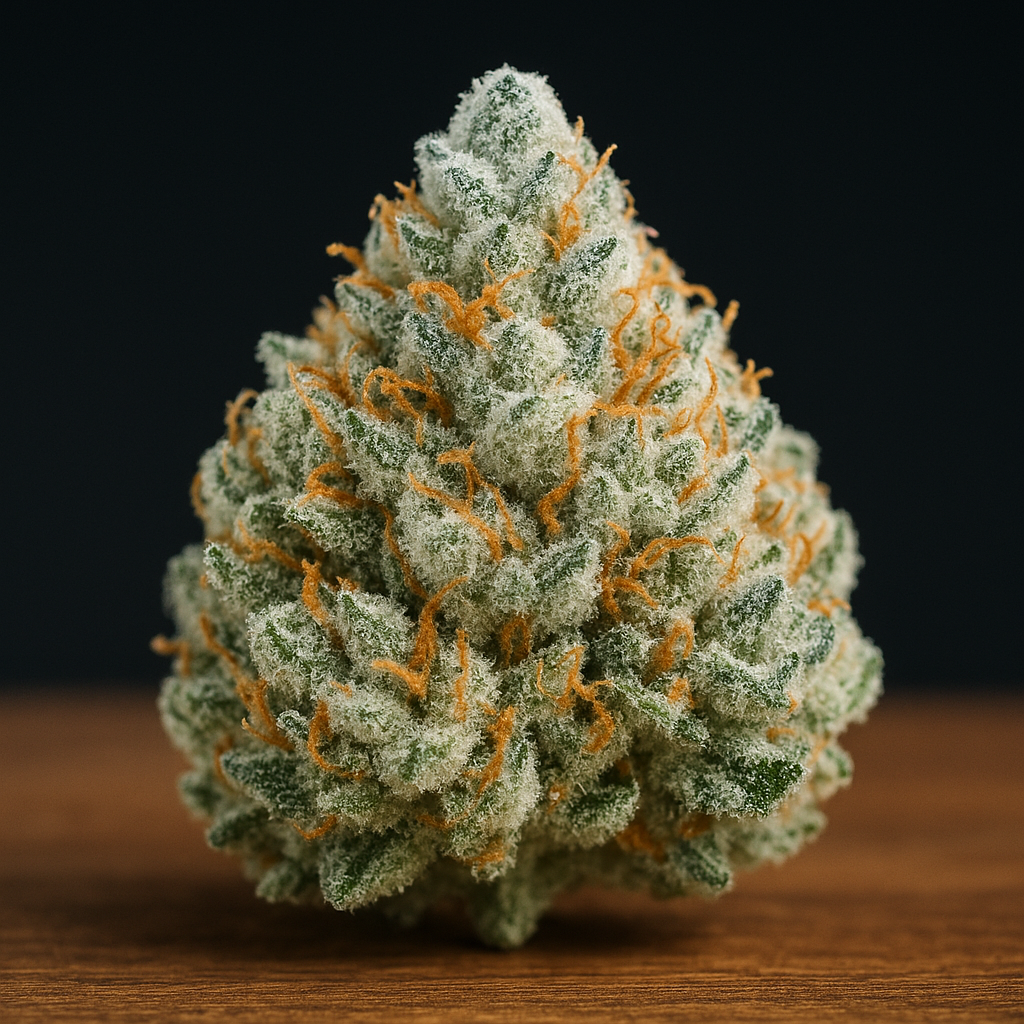
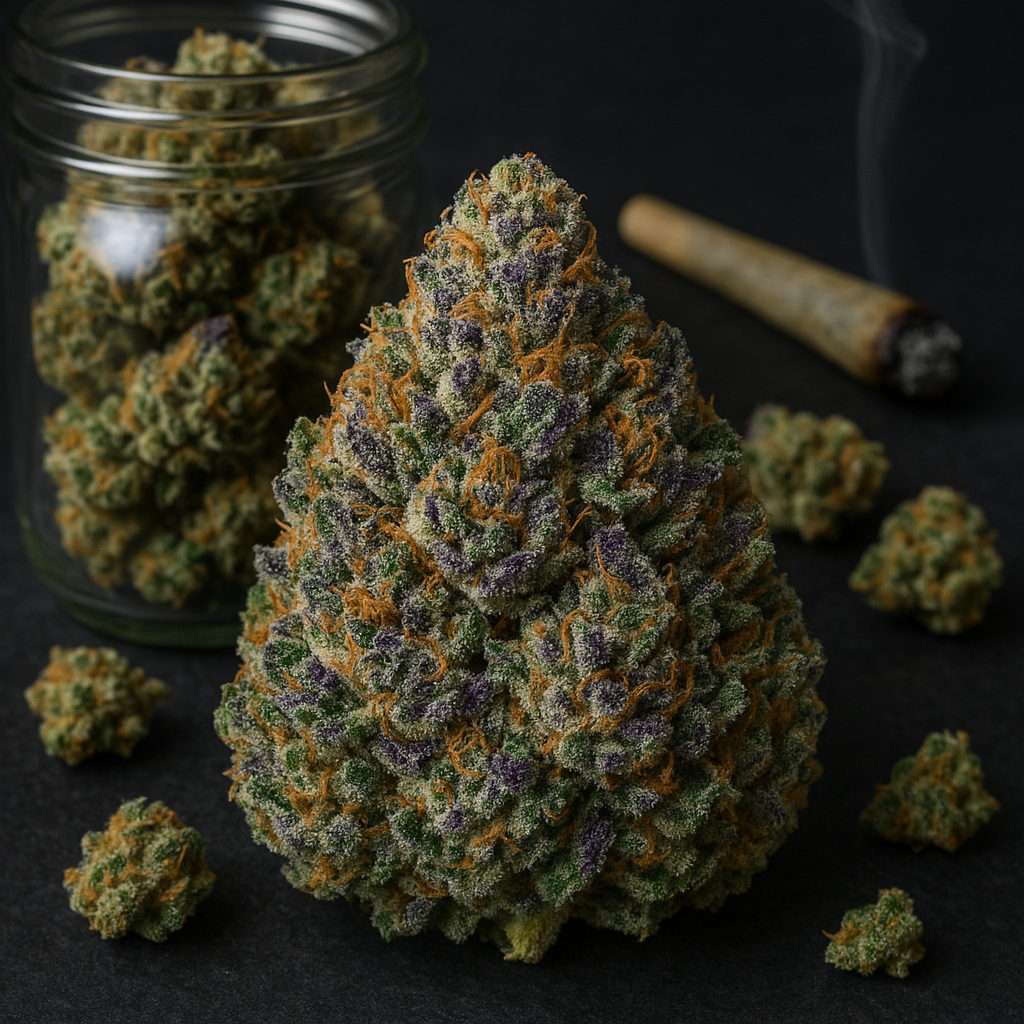
The aroma of Vanilla Bean is equally inviting. When the buds are broken apart, a rich, sweet fragrance fills the air, combining vanilla with a light earthy quality that creates a truly intriguing olfactory experience. Many users note the strain’s aromatic sweetness, likening it to vanilla cake or fresh vanilla bean pods, which can evoke feelings of nostalgia and warmth.
Flavor Versus Aroma
Interestingly, the flavor and aroma of Vanilla Bean can evolve throughout the smoking or vaping process. As the strain is consumed, users often report that the creamy sweetness becomes more pronounced, creating a layered experience that tantalizes the taste buds.
Effects and Experience
The effects of Vanilla Bean are primarily characterized by its relaxing properties, making it a go-to choice for unwinding after a long day or dealing with stress. As an indica-dominant hybrid, it has a calming influence that sits comfortably at the lower end of the cannabis spectrum.
Immediate Effects
Users often experience:
- Euphoria: An uplifting mood can set in after just a few puffs, making it easier to shake off the weight of the day.
- Relaxation: A gentle wave of relaxation washes over the body, easing tension in the muscles and promoting a sense of calm.
- Slight Sedation: While it doesn’t knock you out, it often leads to a cozy state of mind that makes it easier to lose track of time and enjoy leisurely activities.
Duration of Effects
The effects of Vanilla Bean can last anywhere from 1.5 to 3 hours, depending on the individual’s tolerance and the method of consumption. For cannabis novices, it may seem to linger longer, while seasoned users might experience a quicker fade.
Cultivation and Growth
For those interested in the cultivation of the Vanilla Bean strain, it’s essential to note its growing requirements and characteristics.
Growing Difficulty
Vanilla Bean is known to be moderately difficult to grow, which may be challenging for novice cultivators. Here are some key points to consider:
- Indoor vs. Outdoor: Vanilla Bean can be grown both indoors and outdoors, but it thrives in controlled environments. Indoor cultivation allows for better regulation of temperature and humidity.
- Flowering Time: Typically, Vanilla Bean has a flowering period of about 8 to 10 weeks. During this time, it develops dense, resinous buds that emit the fragrant aroma characteristic of the strain.
- Yield: On average, growers can expect moderate yields, around 14 ounces per square meter for indoor plants and up to 16 ounces per plant when grown outdoors under optimal conditions.
Ideal Growing Conditions
- Climate: Prefers a warm, dry climate if grown outdoors. Indoor growers should keep temperatures between 70°F to 80°F (21°C to 27°C).
- Soil: Rich, organic soil with good drainage will enhance growth. The use of nutrients, especially nitrogen and phosphorus, can help boost flowering.
- Light: For indoor cultivation, a lighting schedule of 18 hours on and 6 hours off during the vegetative stage, transitioning to 12/12 during flowering is recommended. If growing outdoors, ensure your plants receive full sunlight.
Potential Side Effects
While many users celebrate the effects of Vanilla Bean, it’s essential to be aware of potential side effects. Common adverse effects can include:
- Dry Mouth: As is typical with many cannabis strains, users often report experiencing cottonmouth. Hydration is key to mitigating this effect.
- Dry Eyes: Some users may also experience dry eyes, which can be alleviated with over-the-counter eye drops.
- Anxiety or Paranoia: While many find Vanilla Bean to be calming, higher doses may lead to feelings of anxiety or paranoia, especially in new users or those with a low tolerance.
Profile Summary
In summary, the Vanilla Bean strain has hit a sweet spot in the cannabis world. Here’s a quick recap of what we’ve learned:
- Genetics: Indica-dominant hybrid with a THC content of 22%-26%.
- Flavor and Aroma: Sweet, creamy vanilla with earthy undertones, creating a delightful and nostalgic sensory experience.
- Cultivation: Moderately difficult, prefers controlled indoor environments with a flowering time of 8-10 weeks.
- Side Effects: Commonly includes dry mouth and eyes, with the potential for anxiety in higher doses.
Related strain profiles
Profile note: Cannabis sold under the same strain name can vary by breeder, phenotype, cultivation, storage and batch. Effects are subjective; use current product labeling or available lab information for the specific product, and do not drive while impaired.